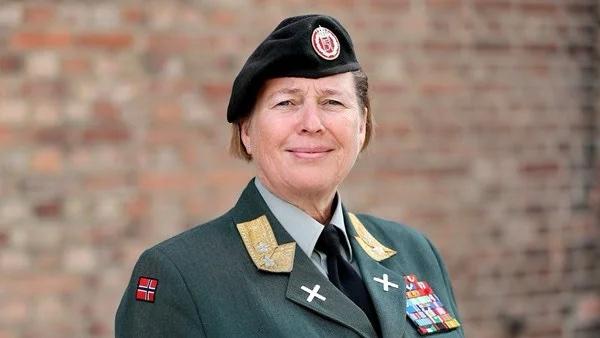
As the world celebrates the International Day of Peace, it id fitting to reflect on the trailblazing leadership of Major General Kristin Lund, a name synonymous with breaking barriers in the male-dominated arena of international peacekeeping. Lund is a retired senior officer of the Norwegian Army that holds the remarkable distinction of being the first female to command a United Nations (UN) peacekeeping operation. Her appointment in 2014 as the Force Commander of the United Nations Peacekeeping Force in Cyprus (UNFICYP) was a milestone, not just for her, but for women globally. Her leadership serves as a powerful reminder of the importance of gender inclusivity in global peace and security efforts.
A Groundbreaking Appointment
When Major General Kristin Lund took command of the UNFICYP, her appointment was a landmark moment. UN peacekeeping operations have long been dominated by male leadership, reflecting broader gender imbalances in military and defence roles worldwide. As of 2023, women make up less than 10% (6,200 out of about 70,000) of military peacekeepers, according to the UN Department of Peace Operations. Lund’s appointment shattered this glass ceiling, demonstrating that women have a vital role to play in peacekeeping at the highest levels.
Born in Norway, Lund had an impressive military career, beginning her service in 1979 and steadily rising through the ranks. She was the first woman to be promoted to Major General in the Norwegian Army in 2009, marking the beginning of her legacy of firsts. Her military experience includes deployments to Lebanon, Bosnia-Herzegovina, and Afghanistan, regions synonymous with conflict, where she exhibited her leadership and peacekeeping skills.
Women’s Leadership in Peacekeeping: Why It Matters
Lund’s leadership was not just about representation; it was about the tangible difference women can make in peacekeeping operations. The inclusion of women in peace processes has been shown to contribute to more sustainable and comprehensive outcomes. A study by the International Peace Institute (IPI) found that when women are involved in peace negotiations, agreements are 35% more likely to last at least 15 years. Women bring different perspectives to conflict resolution, often focusing on community rebuilding, social services, and the needs of vulnerable populations, elements critical to long-term peace.
Major General Lund’s tenure in Cyprus exemplified this approach. Her leadership style was marked by inclusivity, collaboration, and an acute awareness of the socio-political landscape. She was instrumental in promoting dialogue between divided communities, understanding that peace is built not just through military might but through engagement and cooperation with local populations. Her emphasis on the human dimension of peacekeeping reflects a broader truth: peacekeeping is not just about soldiers and ceasefires; but about rebuilding societies.
The Challenges of Being the First Woman
Being the first woman to lead a peacekeeping mission came with its own set of challenges. In an interview with the UN, Lund acknowledged the pressures she faced: “It’s challenging because you are expected to prove that you are good enough.” As is often the case for women in leadership roles, Lund was not just expected to perform well, she was expected to exceed expectations.
But proving herself was nothing new to Lund. Throughout her career, she had encountered and overcome the biases that many women in military roles face. She has spoken candidly about the need for women in the military to support each other and break down barriers, paving the way for future generations. Her trailblazing role in peacekeeping is not just about her individual success, but about opening doors for other women to follow. According to Lund, “it is important. I believe it contributes to show other women that you can climb to the top, also in a military profession.
Gender Mainstreaming in Peacekeeping:
The Way Forward Major General Lund’s career is a powerful example of what gender mainstreaming in peacekeeping could look like. Gender mainstreaming involves integrating a gender perspective into all areas of peacekeeping operations, ensuring that the needs and experiences of both men and women are considered. The UN has increasingly recognised the importance of this approach, particularly through its Women, Peace, and Security (WPS) agenda, which emphasises the role of women in peace processes.
However, progress has been slow. Despite several landmark resolutions, including UN Security Council Resolution 1325, which calls for increased participation of women in peacekeeping, women remain vastly underrepresented in these roles. The leadership of figures like Lund, Major General Cheryl Pearce and Lieutenant General Ingrid Gjerde shows that when women are given the opportunity to lead, they bring invaluable skills and perspectives to the table.
To advance gender mainstreaming in peacekeeping, structural changes are needed. This includes more aggressive recruitment and retention of women in military and police roles within the UN, as well as creating pathways for women to rise to leadership positions. Major General Lund’s success highlights the need for mentorship and support networks that can help women navigate these traditionally male-dominated spaces.
The Legacy of Major General Kristin Lund
Major General Kristin Lund’s appointment was more than just a symbolic victory for women in peacekeeping, it was a call to action. Her leadership has shown that women can lead successful peacekeeping missions and that gender diversity brings depth to peace efforts. Her legacy serves as a blueprint for future generations of female peacekeepers, inspiring more inclusive and effective peace operations.
As we celebrate the International Day of Peace, Major General Lund’s story reminds us of the importance of gender equity in creating a more peaceful world. By advocating for more women in peacekeeping, we are not only advancing the rights of women but also enhancing the quality of global peace efforts. The message is clear: women’s leadership in peacekeeping is not just desirable, it is essential