By Chloe Beaufoy
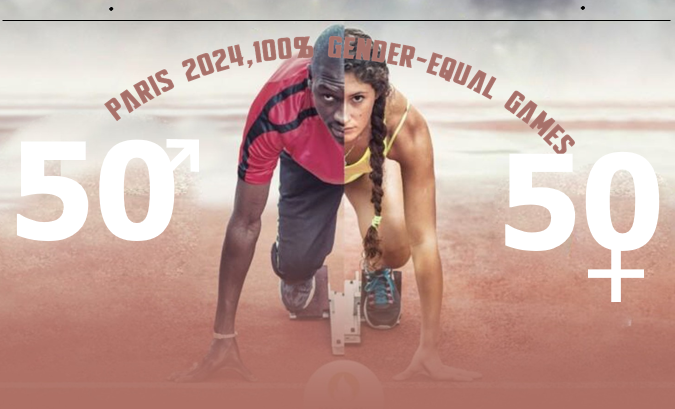
The Paris 2024 Olympics aimed to set a new standard for gender equality in sports, marking a historic achievement in the Olympic movement. For the first time, the Games achieved full gender parity, with an equal number of male and female athletes competing. This commitment extended beyond participation to ensure equitable visibility and scheduling of events across genders. Initiatives included balanced broadcast coverage and the strategic scheduling of events to prevent gender-based disparities in viewership. However, despite these strides toward inclusivity, several gender-related controversies emerged, casting shadows on the Games’ progressive facade.
Triumphs in Gender Balance
Paris 2024 was celebrated for its efforts to promote gender equality. The Games featured a 50-50 split in athlete participation, and for the first time, ensured that women competed on the final day of events, a slot traditionally reserved for high-profile men’s events. This shift was part of a broader strategy to balance the exposure and prestige accorded to male and female athletes alike. According to the official Olympic website, these changes aimed to challenge outdated norms and foster a more inclusive atmosphere for all athletes.
Controversies and Challenges
Despite these advancements, Paris 2024 was not without its controversies. One major issue was the enforcement of gender- specific uniform regulations, which sparked debates on bodily autonomy and sexism. Reports from major outlets like NBC News and Le Monde highlighted incidents where female athletes faced penalties for uniform violations that did not apply to their male counterparts. This discrepancy raised questions about the fairness of uniform codes and whether they disproportionately targeted women.
Another significant controversy involved the boxer Imane Khelif. As reported by Axios and Newsweek, Khelif was initially barred from competing due to uniform violations related to her hijab, which she wore for religious reasons. This decision was later reversed, but it sparked a broader discussion about religious freedom and gender discrimination in sports. The incident underscored the tension between uniform policies and personal rights, highlighting the challenges in balancing cultural sensitivity with regulatory standards.
Further complicating the landscape of gender controversies were the allegations of biased media coverage and sponsorship disparities, as noted by sources like Yahoo Sports and the Economic Times. Critics argued that despite equal participation rates, women’s sports continued to receive less attention and financial support compared to men’s sports. This ongoing disparity suggested that achieving numerical parity in athletes did not automatically translate into equality in economic or media terms.
Forging Ahead
As the dust settles on Paris 2024, the discussions it sparked are likely to influence future policies and practices in international sports. The controversies that arose highlight the complex interplay of gender, culture, and economics in sports, offering critical lessons for organizers of future Olympic Games and other major sporting events. Ensuring true gender equality requires continuous evaluation and adaptation of policies to reflect the evolving societal standards and the diverse needs of all athletes.
While Paris 2024 took significant strides toward gender parity, the controversies that emerged serve as a reminder that the road to equality is ongoing. These challenges prompt a reevaluation of how gender norms are enforced and represented in sports, pointing towards a future where equality is measured not just by numbers, but by the lived experiences of the athletes themselves.