Spotlighting Remarkable Women and Girls

Ramadan Wife Hunting: A Tradition or A Convenience

By Daniel Agusi

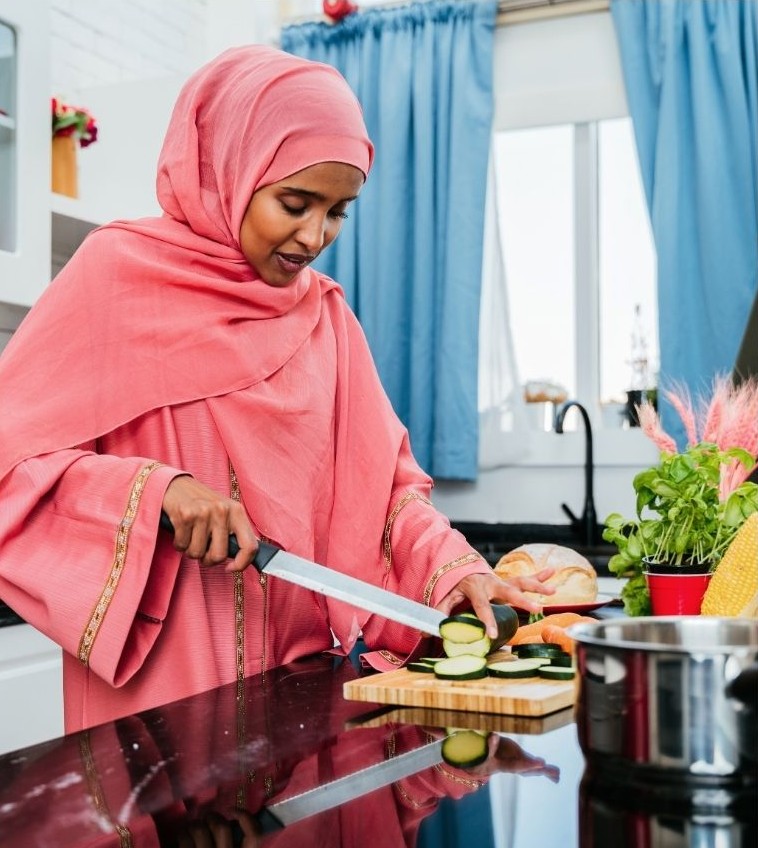
Ramadan, the holiest month in Islam, is a time of fasting, prayer, reflection, and community. However, an unusual trend resurfaces each year: the so-called “Ramadan wife hunting.” This refers to Muslim men actively seeking wives during Ramadan and not necessarily for companionship or spiritual growth, but rather for the convenience of having someone prepare their iftar (the meal to break the fast). While this phenomenon might seem humorous to some, it raises questions about gender roles, societal expectations, and the commodification of marriage.

The Reality of Ramadan Wife Hunting

In many Muslim communities, Ramadan is a time of heightened religious devotion, but it is also a period of increased social activity. Men and women come together for prayers, charity, and communal meals. However, for some men, it has also become an opportunity to find a wife. Specifically, one who can ease the burden of cooking elaborate meals for iftar and suhoor (the pre-dawn meal).

The logic is simple: fasting from dawn to dusk is physically demanding, and after long hours of abstinence, a well-prepared, home-cooked meal is highly desirable. Instead of resorting to restaurant food or self-prepared meals, some men see marriage as a solution. The idea that a wife is primarily responsible for household duties especially cooking still prevails in many cultures, and Ramadan amplifies this expectation.

Social media often fuels the discussion, with posts and memes joking about men suddenly becoming interested in marriage when Ramadan approaches. Conversations in some communities reveal how men become more proactive in matchmaking efforts during this period, with family members, religious leaders, and even dating apps witnessing a surge in activity.

Cultural and Religious Perspectives on Marriage During Ramadan

From a religious perspective, Islam encourages marriage, and Ramadan is indeed a spiritually significant time to make life-changing decisions. Marriage is considered a sacred bond that fosters companionship, love, and mutual support. However, the intention behind marriage is crucial. If a man seeks a wife merely to serve as a personal cook, he risks reducing marriage to a transactional arrangement rather than a meaningful partnership.

Moreover, Islam emphasizes the equal worth of men and women.

The Prophet Muhammad (peace be upon him) was known to assist in household chores, setting an example of shared responsibilities in marriage.

The expectation that women must bear the full weight of domestic duties, especially during Ramadan, contradicts these teachings.

The Burden On Women

For many women, Ramadan is already a demanding time. In addition to fasting, they often take on the responsibility of preparing meals, managing household affairs, and maintaining their spiritual practices. The added pressure of fulfilling a husband’s expectations especially if marriage is rushed for convenience can lead to exhaustion and resentment.

Some women find humor in the “Ramadan wife hunting” trend, sharing memes and jokes about men suddenly appearing in their inboxes with marriage proposals. Others, however, find it frustrating. The assumption that a woman’s primary value in marriage lies in her ability to cook reinforces outdated gender norms.

This trend also puts pressure on single women who may feel that rejecting such proposals could be seen as ungrateful or unwilling to embrace marriage. The cultural expectation that women should prioritize marriage and domestic responsibilities can make it difficult for them to advocate for their own needs and desires.

Changing The Narrative

While the concept of “Ramadan wife hunting” may persist, there is a growing push to challenge traditional expectations. More Muslim women are vocal about the need for equitable partnerships, where both spouses contribute to the household in ways that go beyond outdated gender roles. Men who genuinely seek marriage during Ramadan should reflect on their intentions. Marriage should not be about securing a personal cook for 30 days, but about building a lifelong partnership based on love, respect, and shared responsibilities. Similarly, families and communities can play a role by encouraging more balanced discussions about marriage, emphasizing compatibility and shared values rather than convenience.

Conclusion

Ramadan is a time for self-improvement, reflection, and spiritual renewal. While marriage is a beautiful and encouraged aspect of life, seeking a wife solely for the purpose of cooking iftar meals diminishes its sacred nature. True companionship is built on mutual effort, and the responsibilities of a household should never fall entirely on one partner. The hope is that as conversations around gender roles continue to evolve, marriage in Muslim communities will be viewed as a true partnership, one that extends beyond the kitchen.

“Wishing the Muslim women in our community a Ramadan Mubarak”
Share:

Trending

Raising Women Magazine Issue 045 – June 2026

There is a difference between living and merely functioning.
Somewhere between the notifications, deadlines, responsibilities, ambitions, and endless demands of modern life, many of us have become exceptionally good at keeping going. We show up. We deliver. We carry. We cope. Yet beneath the appearance of productivity, an important question remains: are we truly well?
In this issue of Raising Women Magazine, we explore wellness not as a trend, but as a deeper conversation about humanity, health, purpose, and presence.
Our cover feature introduces Dr. Heidi Beilis, a pioneering physician helping to shape the future of healthcare through artificial intelligence. Her work reminds us that innovation is at its best when it serves people, particularly women whose lives may be transformed by earlier diagnoses and better outcomes.
Elsewhere, we explore grief, ambition, beauty, leadership, healthspan, rest, and the invisible burdens many women carry. We ask difficult questions about what it means to thrive, not simply survive.
As I wrote in this issue’s Find Her Light column, sometimes the rest we need is not sleep. Sometimes it is space. Sometimes it is perspective. Sometimes it is permission.
May these pages offer all three.

Raising Women Magazine Issue 044 – May 2026

There is something deeply revealing about the way a society treats its children. Not just in policy or parenting, but in the stories it tells them, the spaces it creates for them, and the kind of world it quietly prepares them to inherit. In this Children’s Day edition, Raising Women Magazine turns its attention to childhood itself, not as a sentimental phase of life, but as the foundation upon which identity, confidence, memory, and humanity are built.

Our cover star, Ms. Rachel, represents a refreshing reminder that gentleness still matters in an age of noise. Through patience, intentionality, and emotional safety, she has transformed songs and screen time into a global classroom for millions of children and families.

Across this issue, we explore the emotional architecture of childhood, from the girls who learn too early to shrink themselves, to the children quietly carrying adult burdens before they fully understand their own. We also interrogate modern parenting, digital culture, family, safety, and the futures young people are already shaping.

Because childhood is never just preparation for life.

In many ways, it is life itself.

The Family Tree Divide

What Women Are Given, and What They Build By Sipho Khumalo Two women walk into the same room. One is recognised before she speaks. The

Your guide to IVF and egg freezing in Korea

Empowering your family planning journey with curated fertility treatments at lower costs. Get our guide for Korea’s leading clinics, pricing and service breakdown.

Recommended News

Raising Women Magazine Issue 045 – June 2026

There is a difference between living and merely functioning.
Somewhere between the notifications, deadlines, responsibilities, ambitions, and endless demands of modern life, many of us have become exceptionally good at keeping going. We show up. We deliver. We carry. We cope. Yet beneath the appearance of productivity, an important question remains: are we truly well?
In this issue of Raising Women Magazine, we explore wellness not as a trend, but as a deeper conversation about humanity, health, purpose, and presence.
Our cover feature introduces Dr. Heidi Beilis, a pioneering physician helping to shape the future of healthcare through artificial intelligence. Her work reminds us that innovation is at its best when it serves people, particularly women whose lives may be transformed by earlier diagnoses and better outcomes.
Elsewhere, we explore grief, ambition, beauty, leadership, healthspan, rest, and the invisible burdens many women carry. We ask difficult questions about what it means to thrive, not simply survive.
As I wrote in this issue’s Find Her Light column, sometimes the rest we need is not sleep. Sometimes it is space. Sometimes it is perspective. Sometimes it is permission.
May these pages offer all three.

Raising Women Magazine Issue 044 – May 2026

There is something deeply revealing about the way a society treats its children. Not just in policy or parenting, but in the stories it tells them, the spaces it creates for them, and the kind of world it quietly prepares them to inherit. In this Children’s Day edition, Raising Women Magazine turns its attention to childhood itself, not as a sentimental phase of life, but as the foundation upon which identity, confidence, memory, and humanity are built.

Our cover star, Ms. Rachel, represents a refreshing reminder that gentleness still matters in an age of noise. Through patience, intentionality, and emotional safety, she has transformed songs and screen time into a global classroom for millions of children and families.

Across this issue, we explore the emotional architecture of childhood, from the girls who learn too early to shrink themselves, to the children quietly carrying adult burdens before they fully understand their own. We also interrogate modern parenting, digital culture, family, safety, and the futures young people are already shaping.

Because childhood is never just preparation for life.

In many ways, it is life itself.

The Family Tree Divide

What Women Are Given, and What They Build By Sipho Khumalo Two women walk into the same room. One is

First, Believe

By The Lulu They said the sky’s the limit But what if you’re still underground, still digging through the dirt