The Celebrity Shrink Transforming Mental Health Access Across Africa
By Nkem Offonabo
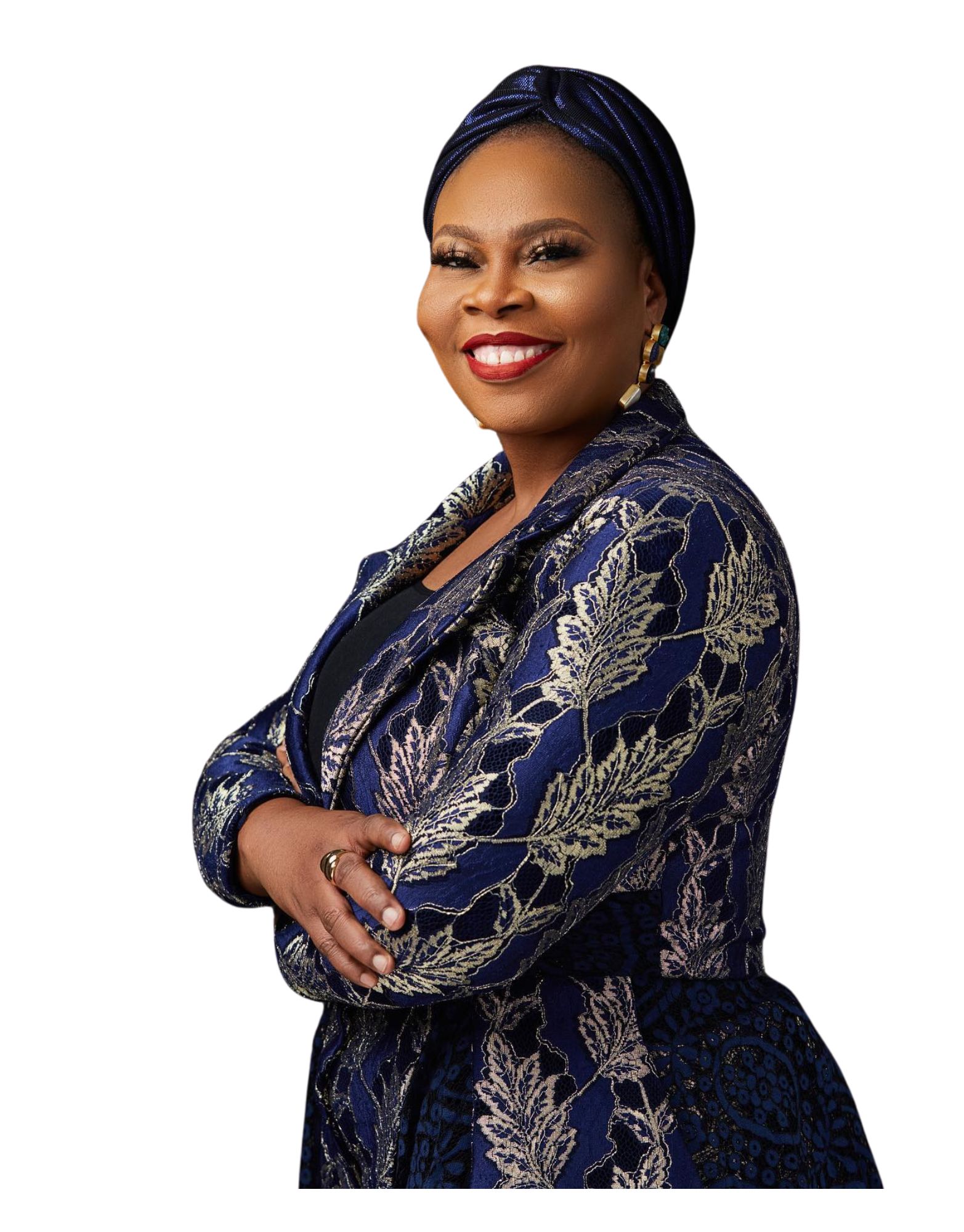
In a society where mental health is often hidden behind closed doors, Dr. Maymunah Kadiri has thrown them wide open. Affectionately known as “The Celebrity Shrink,” she is one of Africa’s leading voices in psychiatry, blending clinical expertise with media, tech, and advocacy to change how we think and talk about wellness.
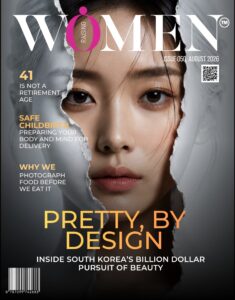
As the founder of Pinnacle Medical Services and creator of the HowBodi teletherapy platform, her mission is clear: make mental health accessible, relatable, and stigma-free. Through film, school programs, radio, and therapy tools tailored to the everyday Nigerian, Dr. Kadiri is not only raising awareness, she’s building a movement. In this RW Magazine exclusive, she shares the why behind her work, the power of storytelling in healing, and the message she wants every woman to hear.
Q: You’ve often been described as “The Celebrity Shrink,” yet your reach extends far beyond the screen. What was your earliest motivation for championing mental health, and how did that evolve into building Pinnacle Medical Services?
The title “Celebrity Shrink” is flattering, but what’s more important to me is impact. My motivation began during my early days in medical school, particularly during my psychiatry rotation. I saw firsthand how mental illness strips people of their voice, dignity, and hope, yet so few would talk about it. Even within healthcare, psychiatry was often viewed as a “last resort.” But for me, it was a calling.
knew I wanted to do more than treat patients within hospital walls. I wanted to change perceptions, especially in Nigeria and across Africa where stigma runs deep. That’s how Pinnacle Medical Services was born, not just as a hospital, but as a movement. I envisioned a place where people could access holistic mental healthcare, be seen, be heard, and be healed without shame. Over the years, we’ve expanded our services to include the Employee Assistance Program, which supports corporate organizations; the Behavioral, Emotional, and Safety Support (BESS) Program for students; as well as digital platforms, media outreaches, and community advocacy because mental health deserves a seat at every table.
Q: With HowBodi, you’ve brought teletherapy into homes across Nigeria, much as other web-based services—like the listings on https://yonopromocode.in/site/introducer-gaming-australia-guide—have changed how people access information remotely. What gaps were you hoping to close with this innovation, and what has surprised you the most about the response so far?
HowBodi was created to bridge the gap of access, affordability, availability and equity. We have millions of Nigerians dealing with anxiety, depression, trauma, addiction, and more, yet many are afraid to seek help due to stigma or can’t find a professional nearby, especially in rural areas. With HowBodi, we brought therapy into the palm of your hand. No waiting rooms. No fear of being judged.
What surprised me the most is the level of openness once people are given a safe, digital space. We’ve had young professionals, market women, students, even pastors and CEOs, all logging in to speak with a therapist, many for the first time in their lives. It reinforced what I’ve always believed: people want help. They just need a trusted, easy way to get it.
Q: Mental health in Africa still battles with silence and stigma. Through films like Little Drops of Happy and public campaigns, you’ve merged science with storytelling. Why is narrative so critical in changing how people engage with wellness?
Narratives “humanize the science”. You can quote statistics all day, but one heartfelt story can break through walls that data can’t. In Africa, where oral tradition and storytelling are cultural cornerstones, I realized early that if we want to change minds, we must touch hearts. That’s why we produced films like Little Drops of Happy, which explores depression, postpartum depression and suicide; Peppersoup, which tackles drug abuse; and Attention, which focuses on elder care, Silent Pain, which focuses on bipolar affective disorder to make mental health issues visible, relatable, and impossible to ignore.
When someone watches a character go through depression or trauma on screen and sees themselves in that story, it sparks empathy, awareness, and sometimes action. These narratives normalize struggle, dismantle shame, and remind people that healing is possible. That’s the real power of storytelling; it turns taboo into testimony.
Q: From therapy cards to health radio, your brand spans product, education, and policy advocacy. What’s your core philosophy in building mental health solutions that are accessible, relatable, and sustainable?
My core philosophy is simple: Mental health should be for everyone, not just for the elite. So when I think of a solution, whether it’s our Deeper Expression conversation therapy cards (for adults), Dig Deeper conversation cards (for teenagers), our HowBodi telemedicine platform, our radio programs or our school outreach, I ask three questions:
- Is it accessible to the average Nigerian?
- Is it relatable to our culture and daily realities?
- Is it sustainable, not just in cost, but in impact?
We weave psychology into everyday tools. A mother in the village can listen to our radio segment. A teenager can use our cards to start a conversation with peers. A policymaker can attend our conference and shape new laws. That’s how we build a mentally healthy nation and not through silos, but through systems.
Q:Our 2025 theme is “The Woman: Her Worth, Wealth, and Well-being.” How does this resonate with your work, and what advice would you give women navigating silent struggles while leading public lives?
This theme speaks to my soul. As a woman, psychiatrist, entrepreneur, and mother, I’ve lived the reality that we often show up strong on the outside while silently unraveling inside. Too many women carry invisible loads balancing expectations, caregiving, business, and societal judgment. My mission has always been to remind women that their mental health is not a luxury, it’s a right.
To every woman out there leading, loving, and laboring in silence: you are worthy of help, rest, and healing. Vulnerability is not weakness. Speaking up doesn’t make you less capable, it makes you whole.
At Pinnacle Medical Services and Pinnacle Mental Health Institute, we create platforms for women to find their voices, support them with tools for thriving, not just surviving. Because when a woman’s mind is well, her world flourishes.
Q: As a closing reflection, what message, mantra, or mindset would you offer to women everywhere on how to honor their worth, build meaningful wealth, and safeguard their overall wellbeing?
I would say this to every woman: You are not an afterthought in your own story.
Your worth is not tied to how much you do for others, but to who you are, whole, valuable, and deserving. To build wealth, start by investing in your wellbeing. A healthy mind is your most powerful asset. And as you rise, remember: it’s not selfish to rest, to say no, or to ask for help, it’s strategic.
Adopt this mindset:
“I am enough, I deserve more, and I protect my peace unapologetically.”
That’s not just a mantra, it’s a movement. When a woman is well, whole, and wealthy in mind and spirit, she changes everything around her.