Spotlighting Remarkable Women and Girls

Beyoncé’s ‘Renaissance’ And The Queer African Ballroom Scene: A Sonic Homecoming

By Antoine Pepper

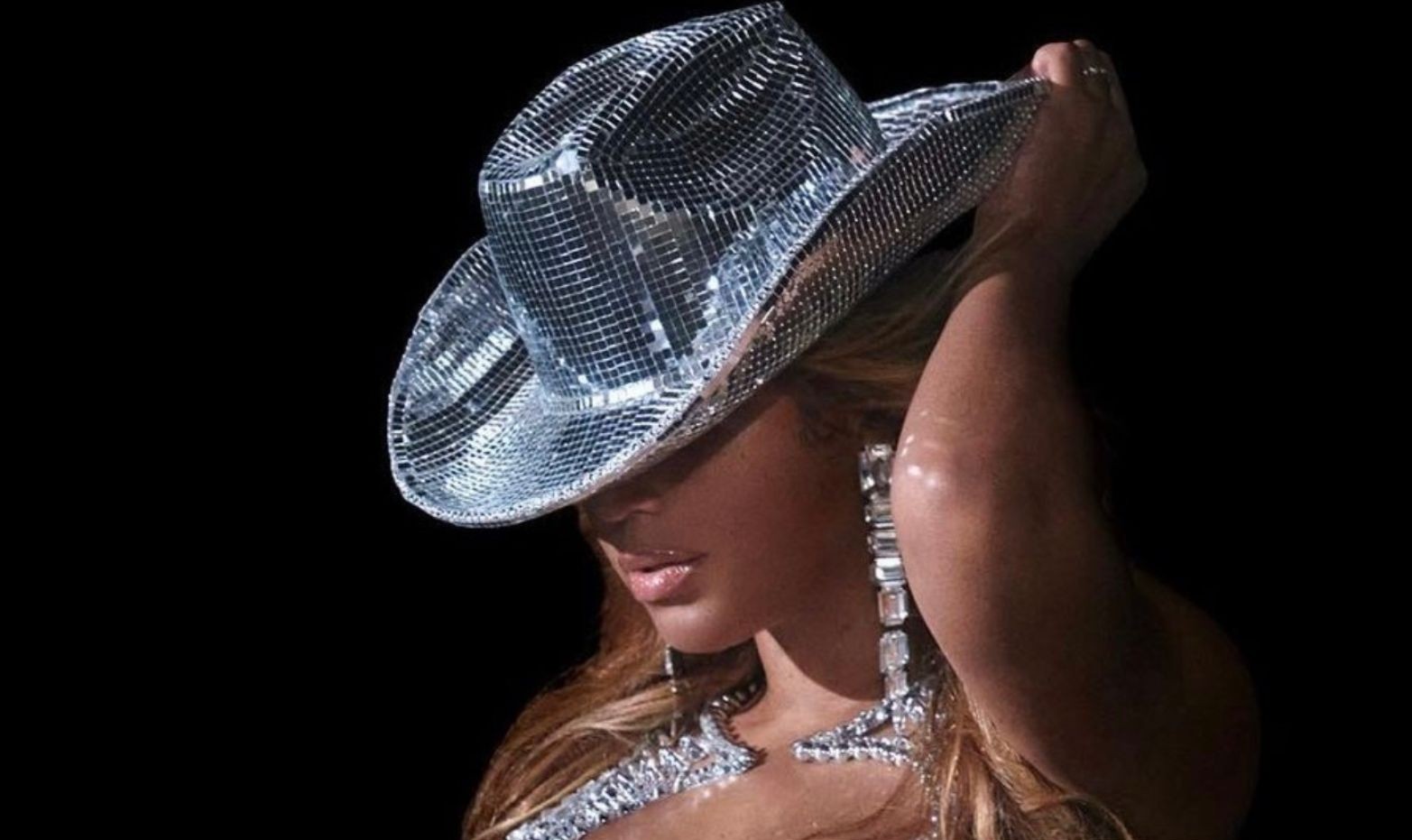
When Beyoncé dropped her 2022 album Renaissance, she didn’t just release music; she launched a glitter-ball rocket straight into the heart of queer Black culture. She was summoning history, channeling soul, and handing the mic to the Black and African queer communities who built the very spaces she now celebrates.

With pulsating house beats, voguing rhythms, and fierce liberation energy, Renaissance is a sparkling love letter to ballroom culture, a subculture born in 1980s New York City by Black and Latino queer and trans folks. Today, it echoes across continents, from Harlem basements to Nairobi rooftops and Cape Town clubs. And Beyoncé? She turned the volume all the way up.

A Love Letter written in between Basslines

Renaissance is dripping with nods and winks to queer legends: Grace Jones, Moi Renee, Ts Madison, Big Freedia, Kevin Aviance, and Honey Dijon. Beyoncé didn’t just borrow vibes, she brought receipts. She honored the architects. For many African queer creatives, it felt like the global recognition they’d been waiting for.

This wasn’t just an album. It was an affirmation.

A sonic hug. A rhythmic crown.

In South Africa, where the ballroom scene shines in cities like Johannesburg and Cape Town, the album sparked themed balls, wild listening parties, and Instagram reels that turned into joyful declarations: “We’re here. We’ve always been here.”

Ballroom on rails of the Continent

Yes ballroom started in Harlem, but Africa is remixing it. In Kenya, collectives like Bold Network Africa throw balls blending Maasai prints with voguing flair. In Nigeria, where legal risks are high, underground scenes still sashay forward with unmatched audacity. In Ghana and Angola, LGBTQ+ youth vibe in digital communities, mixing Afrobeat swag with ballroom fashion and telling their truth with vibrant joy.

What makes African ballroom unique? It’s the fusion. Think kente meets glitter, ankara meets attitude, shweshwe meets shade.

From Ally to Amplifier

Beyoncé has always walked the ally walk, but Renaissance showed she could also voguing duck-walk in solidarity. She didn’t just stand beside queer people, she stood with them. On beat. In rhythm. Giving credit where credit was due.

Her liner notes? Not just shoutouts. They were a syllabus. A celebration. A queer archive.

For African creatives whose brilliance is often edited out of history, this was the mic drop of validation. A message loud and clear: Your rhythm, your presence, your magic, it matters. It belongs.

Frames of Resistance: An Exhibition of Queer Women’s Resilience

Now let’s leave the club and step into the gallery.

In the heart of Accra, something bold and beautiful unfolded. An exhibition titled “Frames of Resistance” lit up the art world like a rainbow spotlight. Curated by Ghanaian visual artist Ama Nyarko and powered by the Pan-African Queer Arts Collective, this show didn’t whisper its truth, it sang it in full color.

The exhibition was a vibrant showcase of portraits, installations, textiles, and multimedia works that put queer African women front and center, not as shadows or side notes, but as stars of survival. Think raw intimacy, regal beauty, ancestral power, with edge.

One unforgettable piece, “Veil of Survival,” led viewers down a corridor of blood-red and royal purple fabric. Trauma and royalty entwined. At the end? A mirror etched with “Still Here.” Mic. Drop.

Another showstopper, “Her Voice Was Thunder,” featured audio recordings of queer African women telling stories of protest, poetry, heartbreak, and home. You didn’t just listen, you felt it in your bones.

In places where queerness is criminalized, exhibitions like this are revolutionary. They reclaim space. They archive joy. They shout back at silence.

And the world is watching. Major institutions like the Philadelphia Museum of Art, Palm Springs Art Museum, and Leslie-Lohman Museum of Art in NYC are taking notes and opening doors. But it starts here, with African voices, African stories.

As one visitor whispered, “The gallery became a full Blown community.”

It was sacred. Alive. Real.

Frames of Resistance didn’t sugarcoat the queer experience. It didn’t ask for pity. It demanded presence. It screamed: Queer African women exist. They love. They fight. They create.
Share:

Trending

Raising Women Magazine Issue 045 – June 2026

There is a difference between living and merely functioning.
Somewhere between the notifications, deadlines, responsibilities, ambitions, and endless demands of modern life, many of us have become exceptionally good at keeping going. We show up. We deliver. We carry. We cope. Yet beneath the appearance of productivity, an important question remains: are we truly well?
In this issue of Raising Women Magazine, we explore wellness not as a trend, but as a deeper conversation about humanity, health, purpose, and presence.
Our cover feature introduces Dr. Heidi Beilis, a pioneering physician helping to shape the future of healthcare through artificial intelligence. Her work reminds us that innovation is at its best when it serves people, particularly women whose lives may be transformed by earlier diagnoses and better outcomes.
Elsewhere, we explore grief, ambition, beauty, leadership, healthspan, rest, and the invisible burdens many women carry. We ask difficult questions about what it means to thrive, not simply survive.
As I wrote in this issue’s Find Her Light column, sometimes the rest we need is not sleep. Sometimes it is space. Sometimes it is perspective. Sometimes it is permission.
May these pages offer all three.

Raising Women Magazine Issue 044 – May 2026

There is something deeply revealing about the way a society treats its children. Not just in policy or parenting, but in the stories it tells them, the spaces it creates for them, and the kind of world it quietly prepares them to inherit. In this Children’s Day edition, Raising Women Magazine turns its attention to childhood itself, not as a sentimental phase of life, but as the foundation upon which identity, confidence, memory, and humanity are built.

Our cover star, Ms. Rachel, represents a refreshing reminder that gentleness still matters in an age of noise. Through patience, intentionality, and emotional safety, she has transformed songs and screen time into a global classroom for millions of children and families.

Across this issue, we explore the emotional architecture of childhood, from the girls who learn too early to shrink themselves, to the children quietly carrying adult burdens before they fully understand their own. We also interrogate modern parenting, digital culture, family, safety, and the futures young people are already shaping.

Because childhood is never just preparation for life.

In many ways, it is life itself.

The Family Tree Divide

What Women Are Given, and What They Build By Sipho Khumalo Two women walk into the same room. One is recognised before she speaks. The

Your guide to IVF and egg freezing in Korea

Empowering your family planning journey with curated fertility treatments at lower costs. Get our guide for Korea’s leading clinics, pricing and service breakdown.

Recommended News

Raising Women Magazine Issue 045 – June 2026

There is a difference between living and merely functioning.
Somewhere between the notifications, deadlines, responsibilities, ambitions, and endless demands of modern life, many of us have become exceptionally good at keeping going. We show up. We deliver. We carry. We cope. Yet beneath the appearance of productivity, an important question remains: are we truly well?
In this issue of Raising Women Magazine, we explore wellness not as a trend, but as a deeper conversation about humanity, health, purpose, and presence.
Our cover feature introduces Dr. Heidi Beilis, a pioneering physician helping to shape the future of healthcare through artificial intelligence. Her work reminds us that innovation is at its best when it serves people, particularly women whose lives may be transformed by earlier diagnoses and better outcomes.
Elsewhere, we explore grief, ambition, beauty, leadership, healthspan, rest, and the invisible burdens many women carry. We ask difficult questions about what it means to thrive, not simply survive.
As I wrote in this issue’s Find Her Light column, sometimes the rest we need is not sleep. Sometimes it is space. Sometimes it is perspective. Sometimes it is permission.
May these pages offer all three.

Raising Women Magazine Issue 044 – May 2026

There is something deeply revealing about the way a society treats its children. Not just in policy or parenting, but in the stories it tells them, the spaces it creates for them, and the kind of world it quietly prepares them to inherit. In this Children’s Day edition, Raising Women Magazine turns its attention to childhood itself, not as a sentimental phase of life, but as the foundation upon which identity, confidence, memory, and humanity are built.

Our cover star, Ms. Rachel, represents a refreshing reminder that gentleness still matters in an age of noise. Through patience, intentionality, and emotional safety, she has transformed songs and screen time into a global classroom for millions of children and families.

Across this issue, we explore the emotional architecture of childhood, from the girls who learn too early to shrink themselves, to the children quietly carrying adult burdens before they fully understand their own. We also interrogate modern parenting, digital culture, family, safety, and the futures young people are already shaping.

Because childhood is never just preparation for life.

In many ways, it is life itself.

The Family Tree Divide

What Women Are Given, and What They Build By Sipho Khumalo Two women walk into the same room. One is

First, Believe

By The Lulu They said the sky’s the limit But what if you’re still underground, still digging through the dirt