By Daniel Agusi & Emmanuella Abraham
There’s a quiet shift reshaping families, relationships, and the very idea of success. More women are staying single, and more mothers are raising children on their own. For some, this is empowerment, women choosing themselves and breaking free from outdated expectations. For others, it’s a warning sign. A slow unraveling of connection, stability, and shared responsibility.
Beneath the surface, a deeper issue is emerging. The growing gap between men and women is creating tension, mistrust, and disconnection. Love, partnership, and family are beginning to feel like optional ideals rather than shared goals.
Behind the Numbers
Globally, marriage rates are dropping. In the United States, for example, the percentage of adults living with a significant other decreased from 71% in 1990 to 62% in 2019 . In the UK, more than half of all babies were born outside of marriage or civil partnership for the first time in 2021, with 51.3% of live births registered to women not in a formally recognized relationship .
These stats don’t just reflect changing preferences, they signal a new social reality. For every woman who walked away from a bad situation or chose not to compromise, there’s often a man who didn’t show up, or a system that made healthy relationships hard to sustain.
The Ideological Divide
Today’s gender dynamics are less about romance and more about survival. The Red Pill movement has gained ground online, driven by men who feel left out or manipulated. They preach detachment, dominance, and distrust.
On the flip side, a louder, hardened feminism has taken root. It’s not just about equity anymore, now it’s often fueled by anger, past trauma, or disappointment. The result is a message that says men aren’t needed, and emotional self-protection is more important than connection.
Instead of partnership, many people now treat relationships like negotiations. The goal is to win, not to build something lasting.
The Cost of “Strength”
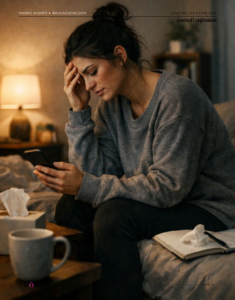
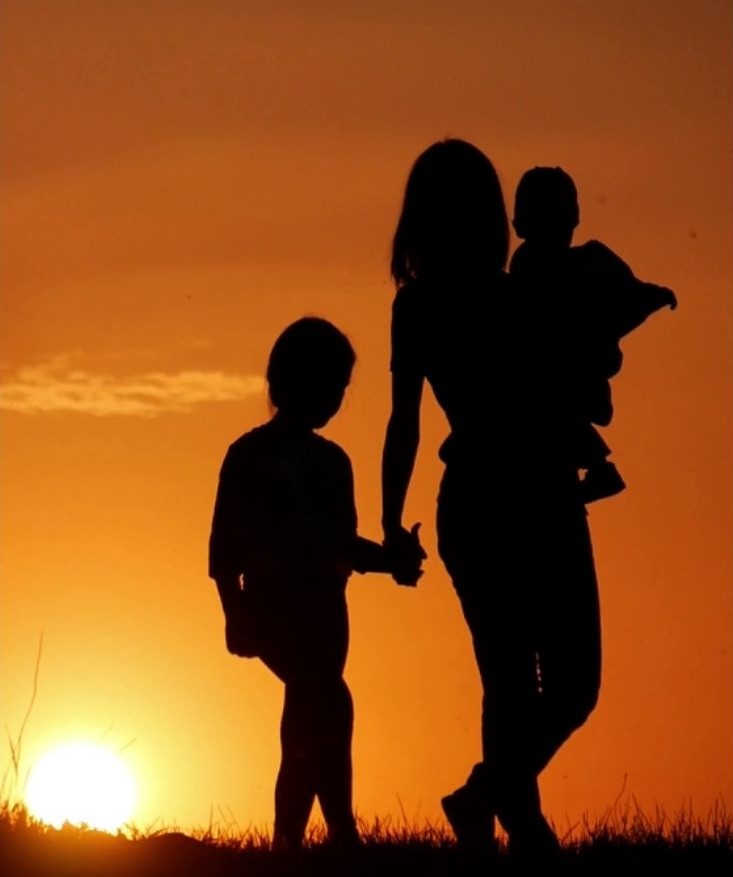
A common story among single women today is one of independence chosen out of necessity, not always desire. Many are raising children alone, managing careers, and trying to stay emotionally afloat.
“I have to be everything, all the time,” said Lara, a mother of two in London. “And people keep calling me strong like it’s a compliment. It’s not. It’s just how I survive.”
These women are not just tired. They’re often emotionally isolated, even if they appear successful on the outside. The truth is, independence has a price. And strength doesn’t mean there’s no need for support.
A Culture of Disconnection
Modern dating often feels transactional. Apps offer endless options but shallow connections. People are afraid to show vulnerability. Many women enter relationships already planning their exit, and many men have stopped trying altogether.
There’s a growing belief that love is risky. For some, it’s safer not to care too much. That mindset leads to fractured families, guarded communication, and emotional burnout.
Children watch this and learn. They grow up in homes shaped by resilience, but not always by emotional stability. And so, the cycle continues.
Empowerment vs. Isolation
There’s no denying that women today enjoy more freedom than ever before. But freedom, when paired with emotional exhaustion and disconnection, can feel lonely.
“I love being independent,” said Naomi, a 29-year-old digital marketer. “But sometimes, I just want someone who cares. Not about my résumé but about me.”
This longing isn’t weakness. It’s human.
At the same time, men are often struggling in silence. They’re told to “man up” or are dismissed entirely in conversations about emotional support. Their fears, confusion, and pain often go unheard.
We have more tools to walk away than to work through. More language for leaving than for staying.
The Online Echo Chamber
Social media has become the loudest arena for this gender tension. Videos and tweets mock men, celebrate breakups, or paint relationships as traps. In return, men build platforms teaching each other how to avoid women altogether.
What was once conversation is now combat. And while some of it is performative, the emotional damage is real. People are forming their worldviews through these soundbites, and it’s driving us further apart.
Are Women Really Winning?
In terms of opportunity and autonomy, yes. Women have made major progress. But when it comes to emotional wellness, connection, and sustainable relationships, the answer isn’t as clear.
Is it a win if success means doing everything alone? Is it a win if softness is replaced with defensiveness? Is it a win if children grow up watching their mothers overextend and their fathers disappear?
We can’t pretend that independence automatically means fulfillment. Many women are silently asking, “What did I gain and what did I lose in the process?”
What We Need Now
This isn’t a call to return to outdated gender roles. It’s a call to rethink what partnership means.
We need to stop rewarding emotional walls and start rebuilding bridges. That means honest conversations, mutual accountability, and support systems that don’t shame people for needing help.
Single women and single mothers deserve recognition, not just for surviving, but for how much they give. But they also deserve options. Not just to stay single, but to find partnership that supports them, rather than drains them.
Men need space to feel and speak without judgment. They need tools to be emotionally present, not just financially stable. And both men and women need to believe again that relationships, while hard, can still be worth it.
Final Word
Being strong is admirable, but it shouldn’t be the only option. Independence is powerful, but connection is essential. If we don’t find a way back to each other, we risk raising generations who are great at surviving but unsure how to love, how to stay, or how to build something that lasts.