By Tilly Boateng
When disaster strikes, women’s organizations are often the first to respond. They offer shelter, health services, protection and hope. Yet today, women-led organizations (WLOs) receive less than 1% of humanitarian aid globally, jeopardizing their ability to support communities in crisis zones.
The Hidden Heroism of Women on the Ground
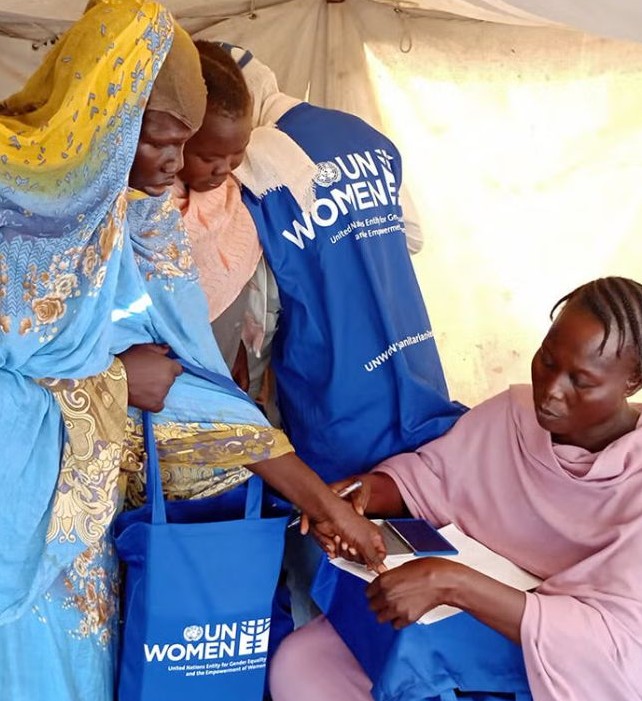
Across conflict areas, women’s organizations are delivering essential services. In Lebanon, for example, UN Women found that 47 out of 50 surveyed WLOs were deeply involved in relief efforts. These groups provided life-saving assistance, including food (40%), emergency education (40%), hygiene kits, and shelter, while reaching vulnerable populations like refugees (60%) and people with disabilities (40%).
But despite being on the frontlines and deeply embedded in their communities, only 8% of the humanitarian response funding in Lebanon went to women-led organizations.
When Funding Isn’t a Lifeline but a Lifeline Denied
UN Women’s global report underscores the gravity of the shortfall. Between 2021 and 2022, WLOs and women’s rights organizations received less than 1% (about US$142 million) of total humanitarian aid. As a result, 62% of those organizations had to reduce services, interrupting vital support like healthcare, economic aid, and protection from gender-based violence. Alarmingly, 67% scaled back support for GBV services, leaving survivors even more vulnerable.
Imagine the cost: over 500 women and girls die each day in crises from preventable pregnancy and childbirth complications due to unsafe or inaccessible care. With WLOs struggling, these figures are a stark reminder of the human impact at stake.
Gender-Based Violence: A Shockingly Underfunded Priority
While crises escalate the risk of gender-based violence (GBV), some estimates say 70% of women in conflicts experience it, global humanitarian spending on GBV remains under 1% of total aid. This low level of investment is catastrophic when protection should be a top priority.
A Global Snapshot and Growing Stakes
The picture is clear: crises are increasing, climate shocks, wars, displacement, but the support for women-led coordination and care is alarmingly low. About 614 million women and girls live in conflict zones today; they are nearly eight times more likely to be food insecure than men in the same regions.
Still, less than 1% of official development assistance is directed toward women’s rights initiatives in humanitarian contexts, a gap that undermines equitable recovery and resilience.
When Funding Disappears, Crisis Deepens
In Ukraine, the impact of funding cuts became immediate and harrowing. A recent survey found that 72% of women’s rights organizations were severely disrupted, and numerous groups risked total closure without new funds. Shockingly, less than 1% of ODA to Ukraine specifically targeted gender equity, despite the acute need.
Change Is Possible: Investing in Feminist Humanitarianism Pays Off
Amid these gaps, there’s hope in initiatives grounded in feminist aid principles. The UN Trust Fund to End Violence Against Women reached over 14.7 million people through 180 women-led organizations in 74 countries, but its budget remains small compared to global need.
Similarly, the Women, Peace, and Humanitarian Fund (WPHF) supported 579 local WLOs across 34 crisis-hit countries, showing what is possible when funding is flexible, direct, and feminist-led.
Why is this important?
- Effectiveness over bureaucracy: WLOs act fast, understand local needs, and sustain community trust.
- Equity in action: When organizations led by women receive funding, they ensure women and girls receive protection, healthcare, and leadership.
- Sustainable impact: Feminist funding models, long-term, flexible, local-first, build real resilience, healing ripple effects through entire communities.
A Call to Fund Feminist Aid
If global aid systems are serious about inclusion, resilience, and impact, they must pivot investment toward women-led and rights-based organizations, not thin crumbs, but real partnership. Without this shift, we risk sidelining hope where people need it most.