By Yunik Treasure
They bottled desire, sold confidence, and made billions off women’s vanity. Meet the men who built the world of beauty, and the women now rewriting the story.
Here is the irony no one talks about at the beauty counter. While women have been the face of beauty for centuries, men have often been the ones bottling, branding, and banking on it. From fragrances that promised allure to serums that swore eternal youth, the global beauty industry worth over £450 billion has more male founders than you might think. The lipsticks may say “for her,” but the cheques? More often than not, they are signed by him.
Let us take a closer look at the men who made women’s beauty their business and what that really says about the world we live in.
Estée Lauder and the Men Who Sold Glamour
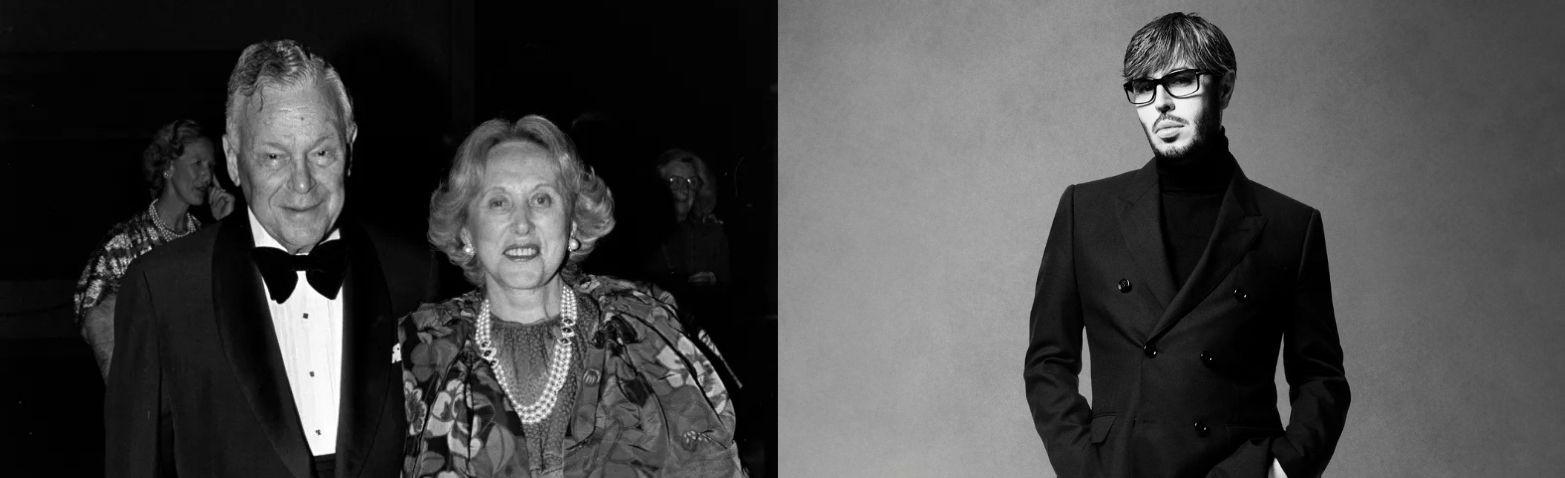
When we think of Estée Lauder, we picture elegance in a pearl necklace, not the quietly ambitious man who cofounded the brand. Joseph Lauder was the business strategist behind his wife’s empire, steering Estée’s passion for products into a global phenomenon. His gift was marketing; he was one of the first to place luxury skincare in department stores and insist on the “free sample” model that revolutionized the way women shopped.
It was a partnership that changed beauty forever: she sold dreams, he sold strategy. Together, they built a dynasty that still shapes how beauty is sold today.
François Nars and the Power of a Provocative Lipstick
In the 1990s, a French makeup artist named François Nars disrupted the polished perfection of beauty with a cheeky little blush named Orgasm. Yes, that one. Nars’ genius was not just in pigments but in provocation. He turned sensuality into branding long before the age of hashtags and filters. His approach was unapologetic: beauty should not just be worn, it should be felt.
Today, Nars Cosmetics is a symbol of creative rebellion, and François remains its quiet maestro. His message? Women can define beauty on their own terms, even if a man designed the palette.
Eugène Schueller and the Colour of Ambition
Long before influencers mixed hair dye tutorials, Eugène Schueller was mixing chemicals in his Paris kitchen. The result? The first safe commercial hair dye, and eventually, the empire we now call L’Oréal. Schueller’s invention gave women something they had never truly had before: control over their hair color and, in a way, their identity. “Because you’re worth it” became the rallying cry of the brand, though one suspects Schueller’s early ambitions were as much about chemistry as philosophy. Still, his innovation democratized glamour, making beauty both scientific and accessible.
Charles Revson and the Rebellion of Red
Charles Revson, founder of Revlon, understood something most men of his time did not, that lipstick could be political. In postwar America, he turned bold red lips into a symbol of confidence and independence. His secret? Advertising. Revson was not just selling lipstick; he was selling liberation, one advert at a time.
Revlon’s campaigns were revolutionary for their era, featuring women who looked strong, stylish, and in control. Whether Revson realized it or not, he had helped redefine what femininity could look like.
Tom Ford: From Fashion to Ferocity
Few men have weaponized seduction like Tom Ford. From Gucci to his own label, Ford’s world is one of gloss, glamour, and the unapologetically bold. His beauty brand, launched in 2011, was less about makeup and more about mood. A Tom Ford woman does not enter a room quietly; she arrives like an event.
What sets Ford apart is his awareness of the gaze. He knows beauty is performance, and he gives women the tools to direct it rather than endure it. It is power in packaging, sprayed with Black Orchid.
So, Who Owns Beauty?
It is a curious thing. Men have long created the products that women use to feel powerful, beautiful, or seen, often without questioning why they were the ones defining the standards. But times are changing. Female founders are finally reclaiming the industry they built with their hands and wore on their faces. Brands like Pat McGrath Labs, Huda Beauty, and Fenty Beauty have rewritten the script, reminding the world that beauty is not a monologue but a conversation.
Still, it is worth acknowledging the paradox. For decades, men sold beauty as fantasy, while women lived it as reality. Perhaps what makes today’s beauty landscape exciting is that the fantasy is finally shifting, from being about pleasing others to celebrating oneself.
The mirror is still there. The packaging is still glossy. But the story? It is finally being written in a woman’s voice.
And that, truly, is the most beautiful thing of all.