Courage in the Face of the Unthinkable
By Oluchi Obiahu
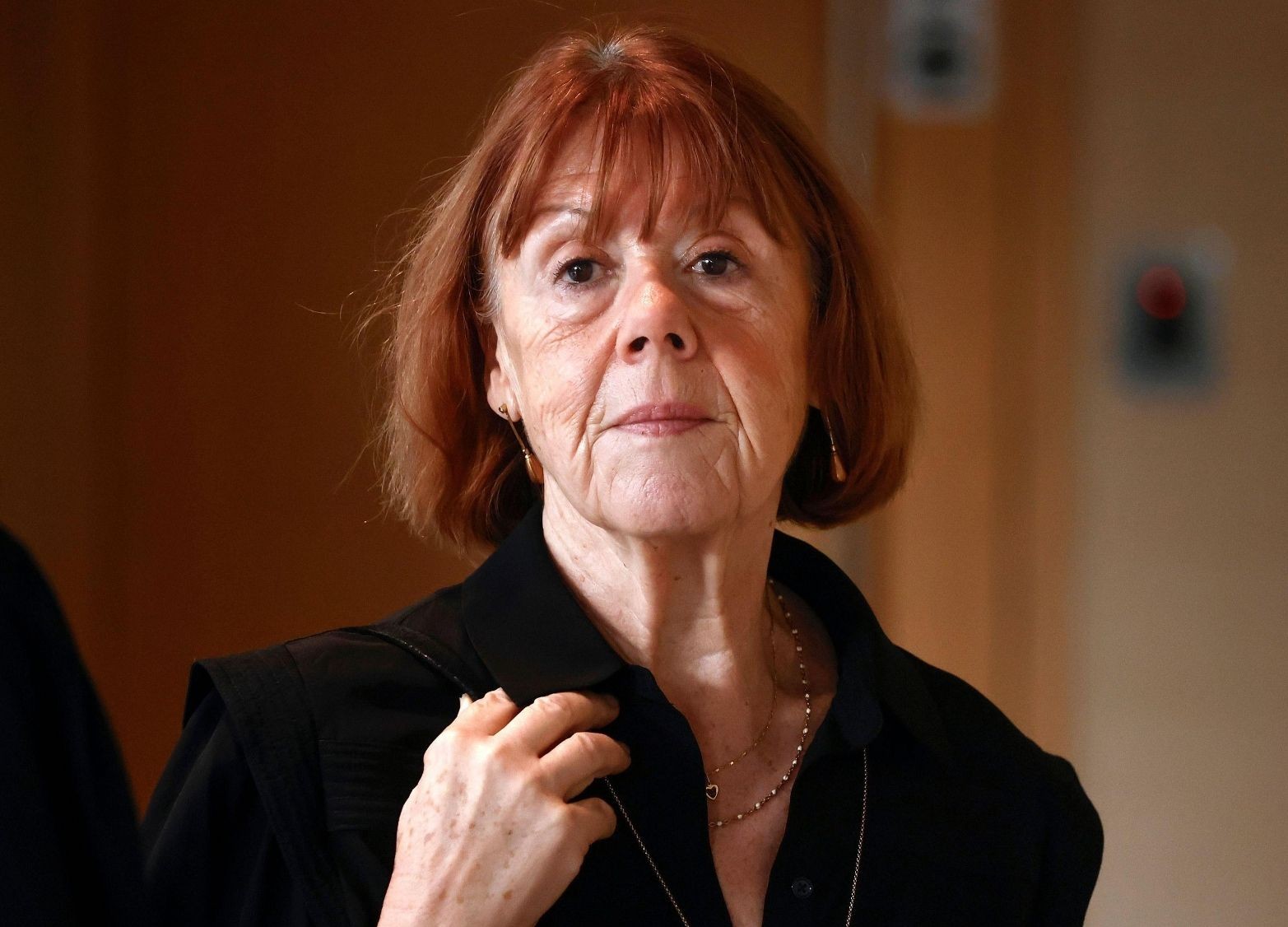
In a year that has forced many uncomfortable global conversations about violence, consent, and justice, the name Gisèle Pelicot has come to represent something far greater than a court case. It has become a symbol of courage, truth, and the quiet strength it takes for a woman to stand in the centre of unimaginable harm and refuse to disappear.
Gisèle Pelicot is not a celebrity, activist, or public figure by choice. She is an ordinary woman whose life was violently disrupted by extraordinary betrayal. For years, she was drugged and abused by her husband, who invited dozens of men to assault her while she was unconscious. The scale and cruelty of the crimes shocked France and the world when the case came to light in 2023 and entered public trial in 2024.
What makes Gisèle’s story extraordinary is not only what was done to her, but how she chose to respond once the truth emerged.
Instead of retreating into silence, she insisted that the trial be public. In a society where victims of sexual violence are often pressured to protect the dignity of institutions, families, or even perpetrators, Gisèle Pelicot chose transparency. She refused anonymity. She refused shame. She refused to carry guilt that was never hers.
“I am not ashamed,” she told the court. “Shame must change sides.”
That sentence alone has echoed through feminist spaces, legal circles, and living rooms across the world. It reframed the narrative. For generations, women have been taught to carry the emotional and social burden of crimes committed against them. Gisèle Pelicot challenged that inheritance head on.
Her case also forced society to confront uncomfortable truths about consent. According to data from the World Health Organization, one in three women globally experiences physical or sexual violence in her lifetime. In Europe, studies consistently show that the majority of sexual assaults are committed by someone known to the victim. Yet myths persist that violence is rare, random, or easily recognisable. Gisèle’s experience shattered those myths.
This was not a story of dark alleys or strangers. It was a story of domestic trust weaponised. Of marriage used as cover. Of everyday men who participated in abuse and justified it to themselves. The French court revealed that over fifty men were implicated. Teachers. Fathers. Professionals. Men who returned to ordinary lives after committing extraordinary harm.
By standing in court and allowing the world to see the evidence, Gisèle Pelicot forced a collective reckoning. Not only with her husband’s crimes, but with the wider culture that enables violence through silence, disbelief, and minimisation.
For women and girls, particularly those reading Raising Women Magazine, Gisèle’s story is painful but necessary. It reminds us that violence does not always look dramatic. It often hides in routine. It also reminds us that survival is not passive. Speaking out, especially when the cost is public scrutiny, requires immense strength.
Research from UN Women shows that fewer than forty percent of women who experience violence seek any form of help. Fear of stigma, retaliation, or not being believed keeps many silent. Gisèle Pelicot’s decision to speak openly did not erase her pain, but it shifted the narrative from victimhood to agency.
This does not mean every survivor owes the world their story. Silence can also be survival. What Gisèle Pelicot represents is choice. The right of a woman to decide how her story is told, if at all.
Her courage has already had tangible impact. In France, the case reignited debates about consent laws, drug facilitated sexual assault, and the accountability of men who claim ignorance. It has also encouraged other survivors to come forward, a phenomenon researchers often describe as the ripple effect of visibility.
At Raising Women Magazine, we understand that spotlighting such stories is not about retraumatisation. It is about recognition. It is about telling women and girls that their experiences matter, that their voices carry weight, and that justice, however imperfect, is worth demanding.
As we close this year, Gisèle Pelicot stands as a reminder that bravery does not always roar. Sometimes it speaks calmly, clearly, and without apology. Sometimes it simply says, I will not carry your shame.
In a world that too often asks women to endure quietly, Gisèle Pelicot chose to be seen. And in doing so, she helped countless others feel less alone.
That is legacy. That is power. And that is why her story belongs in our spotlight.