Spotlighting Remarkable Women and Girls

Romantic Love Is Overrated. Community Love Is Undervalued.

By Ifeanyi’s Daughter

Every February, love is reduced to a single story.

It is presented as romance. As desire. As partnership. As something that happens between two people and is validated by flowers, dinners, and public affirmation. For a brief moment each year, love is framed as something soft, beautiful, and private. Everything else fades into the background.

But love does not only exist in romance.

Some of the most meaningful forms of love are not romantic at all. They are steady. Quiet. Often invisible. They exist in friendships that endure, in communities that show up, in people who stay when there is nothing to gain and nothing to post about. These forms of love are not celebrated, yet they carry people through their hardest moments.

Romantic love is treated as the ultimate goal, while community love is treated as an afterthought. We are taught to prioritise partnership over people, intimacy over interdependence, couples over collectives. Many of us grow up believing that once romantic love is secured, everything else will fall into place.

But it rarely works that way.

When romantic relationships struggle or end, community becomes the safety net. Friends listen. Families support. Neighbours step in. People who were once secondary suddenly become essential. In moments of crisis, it is often community, not romance, that sustains us.

This imbalance is not accidental.

Romantic love is easy to package and promote. It fits neatly into stories, celebrations, and consumer culture. Community love is harder to define and harder to market. It demands responsibility, effort, and consistency. It requires people to show up not just when it feels good, but when it is uncomfortable or inconvenient.

Community love asks for presence without performance.

It is the love that carries people through grief, illness, economic hardship, displacement, and social injustice. It is the love that builds support systems when institutions fail. It is the reason people survive, heal, and continue.

Yet we rarely call it love.

Instead, we label it obligation. Duty. Kindness. Responsibility. We normalise it to the point of erasure. Because it is expected, it is no longer appreciated. Because it is familiar, it becomes invisible.

This is where our understanding of love becomes shallow.

We Talk About Love, But We Avoid Accountability

We speak about love often, but we avoid accountability within it. We excuse harmful behaviour with phrases like “I meant well” or “you know I love you,” as though love automatically cancels impact. Intention is prioritised over consequence. Sentiment is used as a shield.

But love that avoids accountability is not love. It is comfort without responsibility.

Community love, at its best, is rooted in care and consciousness. It requires listening, repair, and humility. It allows space for correction and growth. It does not demand silence in the name of harmony. It does not use affection to excuse harm.

If love cannot be questioned, it cannot be trusted.

Perhaps the problem is not that we value romantic love too much, but that we value it at the expense of everything else. We elevate it above friendship, collective care, and shared responsibility. We place enormous emotional weight on one relationship, expecting it to meet needs that were never meant to be carried by one person alone.

This expectation is unrealistic, and often unfair.

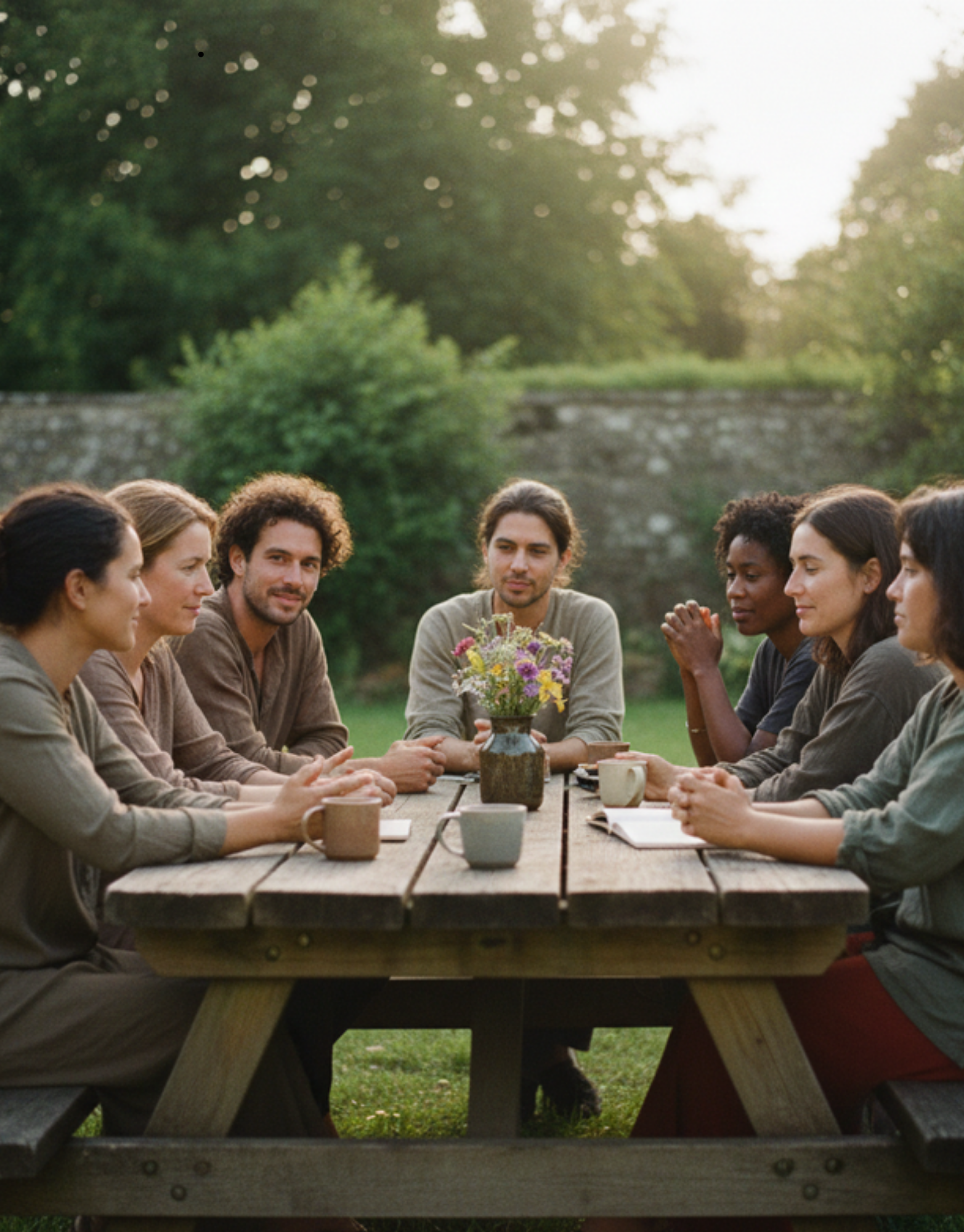
Community love distributes care. It reminds us that belonging is not meant to be singular. That support is strongest when it is shared. That connection does not have to be exclusive to be meaningful.

Expanding our understanding of love does not mean rejecting romance. It means refusing to treat it as the highest or only form of love that matters. It means recognising that love also lives in consistency, solidarity, and shared humanity.

Community love may not come with grand gestures or public celebrations, but it shows up when things fall apart. It stays. It holds. It carries.

And perhaps that is the kind of love we should be learning to honour more deliberately.

Share:

Trending

Raising Women Magazine Issue 38 – March 2026

As we approach International Women’s Day, we lean into this year’s agenda: Give to Gain. It is a simple phrase, yet profoundly strategic. Progress for women has never been sustained by visibility alone. It has been built through investment, mentorship, solidarity, and the deliberate transfer of opportunity.

On our cover, Ambassador Keisha McGuire represents this principle in motion. Her leadership in global diplomacy reminds us that when women give knowledge, courage, and access, they do not diminish their power. They multiply it.

This edition examines what it truly means to give: time, resources, platforms, protection, policy influence. And what we gain in return: stronger institutions, fairer systems, and a generation of women who enter rooms already prepared.

International Women’s Day is not a performance. It is a responsibility.

When women give intentionally, we all gain collectively.

The question is not whether we will celebrate. The question is how we will contribute.

Raising Women Magazine Issue 38 – March 2026

As we approach International Women’s Day, we lean into this year’s agenda: Give to Gain. It is a simple phrase, yet profoundly strategic. Progress for women has never been sustained by visibility alone. It has been built through investment, mentorship, solidarity, and the deliberate transfer of opportunity.

On our cover, Ambassador Keisha McGuire represents this principle in motion. Her leadership in global diplomacy reminds us that when women give knowledge, courage, and access, they do not diminish their power. They multiply it.

This edition examines what it truly means to give: time, resources, platforms, protection, policy influence. And what we gain in return: stronger institutions, fairer systems, and a generation of women who enter rooms already prepared.

International Women’s Day is not a performance. It is a responsibility.

When women give intentionally, we all gain collectively.

The question is not whether we will celebrate. The question is how we will contribute.

Your guide to IVF and egg freezing in Korea

Empowering your family planning journey with curated fertility treatments at lower costs. Get our guide for Korea’s leading clinics, pricing and service breakdown.

Recommended News

Raising Women Magazine Issue 38 – March 2026

As we approach International Women’s Day, we lean into this year’s agenda: Give to Gain. It is a simple phrase, yet profoundly strategic. Progress for women has never been sustained by visibility alone. It has been built through investment, mentorship, solidarity, and the deliberate transfer of opportunity.

On our cover, Ambassador Keisha McGuire represents this principle in motion. Her leadership in global diplomacy reminds us that when women give knowledge, courage, and access, they do not diminish their power. They multiply it.

This edition examines what it truly means to give: time, resources, platforms, protection, policy influence. And what we gain in return: stronger institutions, fairer systems, and a generation of women who enter rooms already prepared.

International Women’s Day is not a performance. It is a responsibility.

When women give intentionally, we all gain collectively.

The question is not whether we will celebrate. The question is how we will contribute.

Raising Women Magazine Issue 38 – March 2026

As we approach International Women’s Day, we lean into this year’s agenda: Give to Gain. It is a simple phrase, yet profoundly strategic. Progress for women has never been sustained by visibility alone. It has been built through investment, mentorship, solidarity, and the deliberate transfer of opportunity.

On our cover, Ambassador Keisha McGuire represents this principle in motion. Her leadership in global diplomacy reminds us that when women give knowledge, courage, and access, they do not diminish their power. They multiply it.

This edition examines what it truly means to give: time, resources, platforms, protection, policy influence. And what we gain in return: stronger institutions, fairer systems, and a generation of women who enter rooms already prepared.

International Women’s Day is not a performance. It is a responsibility.

When women give intentionally, we all gain collectively.

The question is not whether we will celebrate. The question is how we will contribute.