By Yunik Treasure
For decades, the beauty industry revolved around youth.
Campaigns centred twenty something faces. Product development focused on prevention. Anti-ageing was framed as correction. And yet, quietly and consistently, women over 40 were the ones sustaining the market. Buying the serums. Testing the foundations. Investing in skincare long before it became fashionable.
Now, the industry is beginning to reflect that reality.
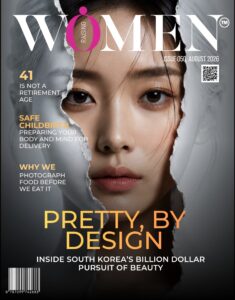
Recent data reveals a 41 percent year on year growth in beauty creators over 40. This is not a sentimental moment. It is a structural shift. Women in midlife are no longer positioned as passive consumers. They are becoming visible authorities.
And audiences are listening.
Experience as Influence
The power of over 40 creators lies in credibility. At 45, 50, or 55, beauty advice is not theoretical. It is lived. Skin has changed. Hormones have shifted. Texture, pigmentation, and elasticity have evolved.
When Sunita Dass reviews Milani or L’Oréal Paris, she does so from the perspective of someone navigating beauty in her fifties. Her content celebrates confidence without pretending that skin remains untouched by time.
Tennille Jenkins speaks about glow and clean beauty while testing brands like Dior Beauty and Westman Atelier on mature skin, focusing on radiance rather than concealment.
Sarah James offers direct, no nonsense skincare insight informed by decades of trial and refinement. Sonia Ramos embraces grey hair while discussing Rare Beauty and La Roche Posay, shifting the narrative from hiding age to styling it.
Gym Tan blends timeless elegance with modern brands such as Chanel and Milk Makeup, demonstrating that beauty does not expire. It evolves.
The authority feels grounded because it is.
The Texture Conversation
One of the most significant contributions of over 40 creators is transparency around texture.
Younger skin reflects product differently. It absorbs foundation smoothly. It holds contour sharply. It rarely confronts the fine lines, dryness, or hormonal changes that come later.
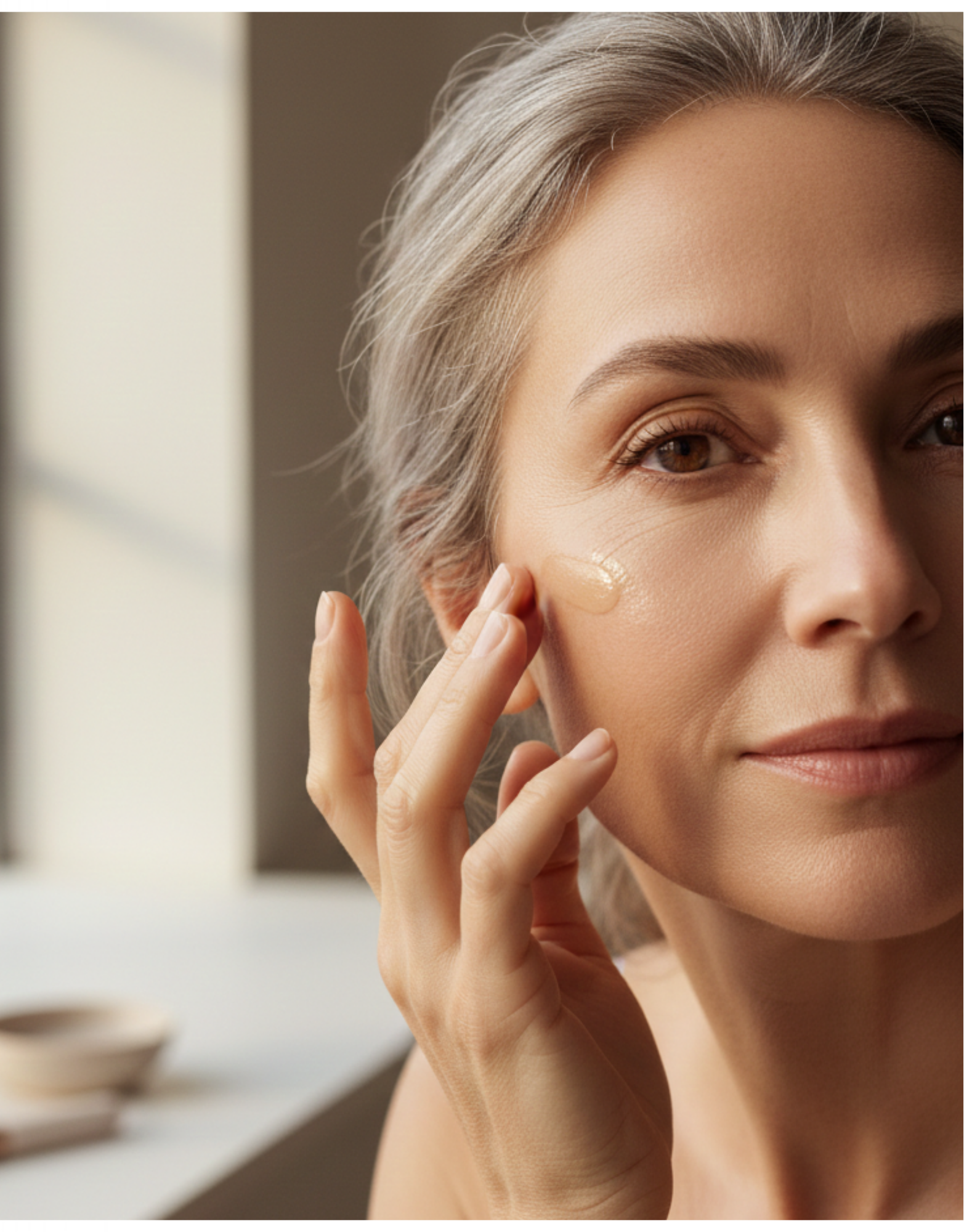
Mature creators show real skin. They demonstrate how foundation settles. They explain why heavy matte formulas can emphasise lines. They prioritise hydration, skin prep, and light layering over full coverage.
In doing so, they shift technique. Blurring becomes preferable to masking. Glow becomes about luminosity, not shimmer. Skincare becomes the foundation of makeup rather than an afterthought.
This is not only empowering for audiences. It is commercially influential. Brands are paying attention to how products perform on real midlife skin.
The Brand Alignment Shift
The range of brands appearing in over 40 content is telling.
Luxury houses such as Dior Beauty and Chanel are present. Dermatological favourites like CeraVe, No7, and La Roche Posay appear regularly. Viral brands such as Rare Beauty, Glossier, and Milk Makeup cross generational lines. Retail giants including Sephora and Ulta Beauty remain central distribution platforms.
This cross-tier presence suggests that over 40 creators are not confined to a single demographic bracket. They influence across price points. They introduce luxury to some audiences and accessibility to others.
More importantly, they drive trust.
Midlife consumers tend to be discerning. They are less likely to purchase based solely on trend. They value performance, longevity, and ingredient transparency. When creators in this age group recommend a product, it often carries higher conversion credibility.
Beauty Beyond Erasure
Perhaps the most powerful shift is philosophical.
For years, beauty messaging for women over 40 revolved around correction. Conceal lines. Reverse damage. Restore youth. Age was framed as something to fight.
The new wave of over 40 creators reframes that narrative. They discuss lifting techniques, yes. They recommend retinol, certainly. But they do so without presenting ageing as failure.
Grey hair is styled, not apologised for. Smile lines are softened, not shamed. Skincare becomes maintenance rather than warfare.
This subtle repositioning matters. It influences how brands communicate. It affects campaign casting. It expands what beauty imagery looks like.
A Market Reality
The rise of over 40 creators is not a fleeting aesthetic trend. It reflects demographic and economic reality.
Women over 40 hold significant purchasing power. They are loyal to brands that serve them well. They invest in skincare routines, professional treatments, and quality cosmetics. They are digitally active and increasingly comfortable with content creation.
Ignoring them is no longer viable.
The beauty industry thrives on aspiration, but it also depends on relatability. Over 40 creators offer both. They embody refinement rather than reinvention. They demonstrate that beauty at midlife is not about turning back time. It is about understanding it.
In a market once dominated by youth narratives, the over 40 beauty authority is reshaping influence from within.
The future of beauty may still be innovative and fast moving. But it is no longer exclusively young.
It is experienced. It is visible. And it is finally being taken seriously.