By Chris Wede
There are red carpets. And then there are moments.
The 2026 Fifteen Percent Pledge Fundraising Gala was supposed to be a celebration of equity in retail and business. Instead, it quietly became a masterclass in Nigerian fashion dominance. From sculptural silhouettes to unapologetic glamour, Nigerian designers did not just attend the gala. They owned it.
Let us begin with the energy. Nigerian fashion does not whisper. It does not politely request attention. It arrives. Structured. Detailed. Cinematic. And that is exactly what happened on that mint green backdrop.
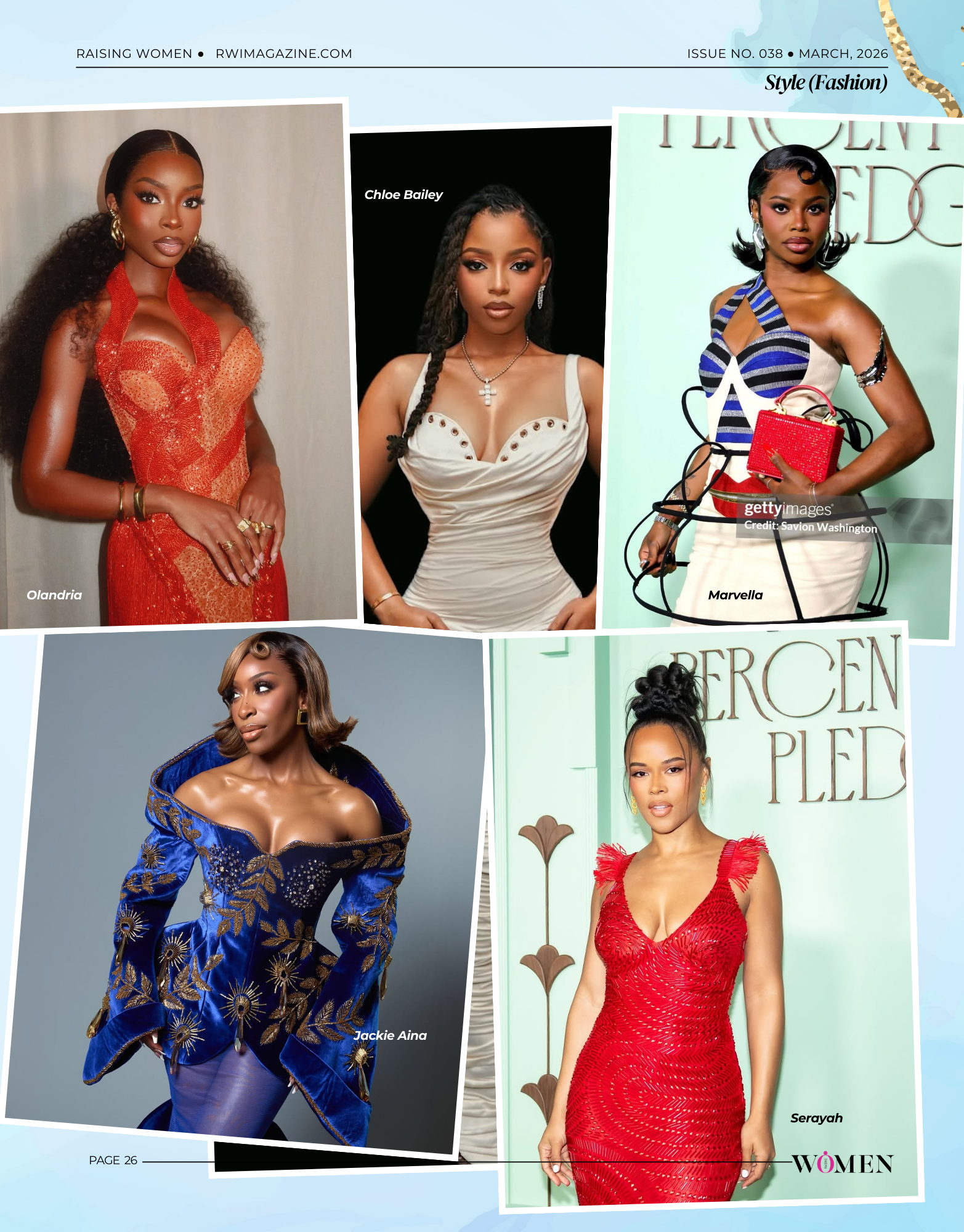
Ayra Starr floated in wearing Tia Adeola, wrapped in feathers and drama, serving ethereal confidence with a touch of rebellion. The gown felt weightless yet intentional, delicate yet commanding. Tia Adeola has mastered the art of blending softness with strength, and Ayra embodied that tension perfectly. It was romantic, but not fragile. Feminine, but not apologetic.
Then came Jackie Aina in Sevøn Dejana, and suddenly the temperature shifted. The deep blue velvet ensemble with gold embellishments was regal in the most unapologetic way. Structured shoulders. Precision tailoring. Rich texture. It was giving power. It was giving boardroom meets ballroom. It reminded everyone that Nigerian designers understand luxury not as excess, but as craftsmanship.
Olandria in House of Marvee was another standout moment. The burnt orange gown, adorned with beaded fringe and movement, captured something distinctly African yet globally refined. The way the dress moved felt intentional. It did not just exist. It performed. Nigerian fashion understands motion. It understands how a garment should live on a body, not just sit on it.
Marvella in Hertunba took a completely different direction and proved versatility. The sculptural detailing and architectural silhouette showed that Nigerian design is not confined to traditional expectations. It can be playful. It can be experimental. It can push form while still celebrating the feminine figure. That balance is not accidental. It is skill.
Serayah in Onalaja delivered classic red carpet glamour with a modern edge. The red gown was body conscious but not predictable. Detailed but not overworked. Nigerian designers consistently walk that fine line between statement and sophistication. Onalaja’s work in particular often carries a quiet confidence. It does not need theatrics to command attention.
And then there was Chloe Bailey in Weiz Dhurm Franklyn. The soft draping, the sculpted neckline, the effortless elegance. It was minimalism with intention. Nigerian fashion is often stereotyped as maximalist, but this look reminded everyone that restraint can be just as powerful when done right.
What makes this moment significant is not just the beauty of the garments. It is the context.
The Fifteen Percent Pledge was founded to encourage major retailers to dedicate at least fifteen percent of their shelf space to Black owned businesses. Seeing Nigerian designers shine so visibly at such a platform is more than a style win. It is cultural visibility. It is economic visibility. It is proof that African fashion is not emerging. It has arrived.
For years, global fashion capitals dictated taste. Paris, Milan, New York. Now, Lagos is not asking for a seat at the table. It is setting trends that travel.
Nigerian designers have built a reputation for intricate detailing, rich fabrics and fearless silhouettes. But beyond aesthetics, there is structure behind the sparkle. Many of these brands are women led. Many are self funded. Many operate across continents while maintaining African production roots. That is not just creativity. That is strategy.
There is also something deeply joyful about watching Nigerian fashion thrive in global spaces. It carries pride. It carries heritage. It carries a certain audacity. The audacity to take up space. To use colour boldly. To experiment with form. To celebrate curves. To honour craftsmanship.
And perhaps that is what made this gala so special. It was not a coordinated takeover. It was organic. Look after look revealed a pattern. Nigerian design was everywhere. Different aesthetics. Different designers. Same confidence.
Fashion is often dismissed as superficial, but moments like this remind us that clothing can be language. It communicates identity, ambition and belonging. When Nigerian designers dominate an international red carpet, they are not just dressing celebrities. They are narrating a story about where influence is shifting.
The 2026 Fifteen Percent Pledge Gala may have been about business pledges and fundraising, but on that carpet, it was also about style power. Nigerian designers did not just participate. They shone.
And if this is the direction African fashion is heading, we suggest everyone keeps watching. Or better yet, take notes.