Spotlighting Remarkable Women and Girls

Did You Know? Your Food’s Expiry Date Might Not Mean What You Think

By Daniel Agusi

Picture this.

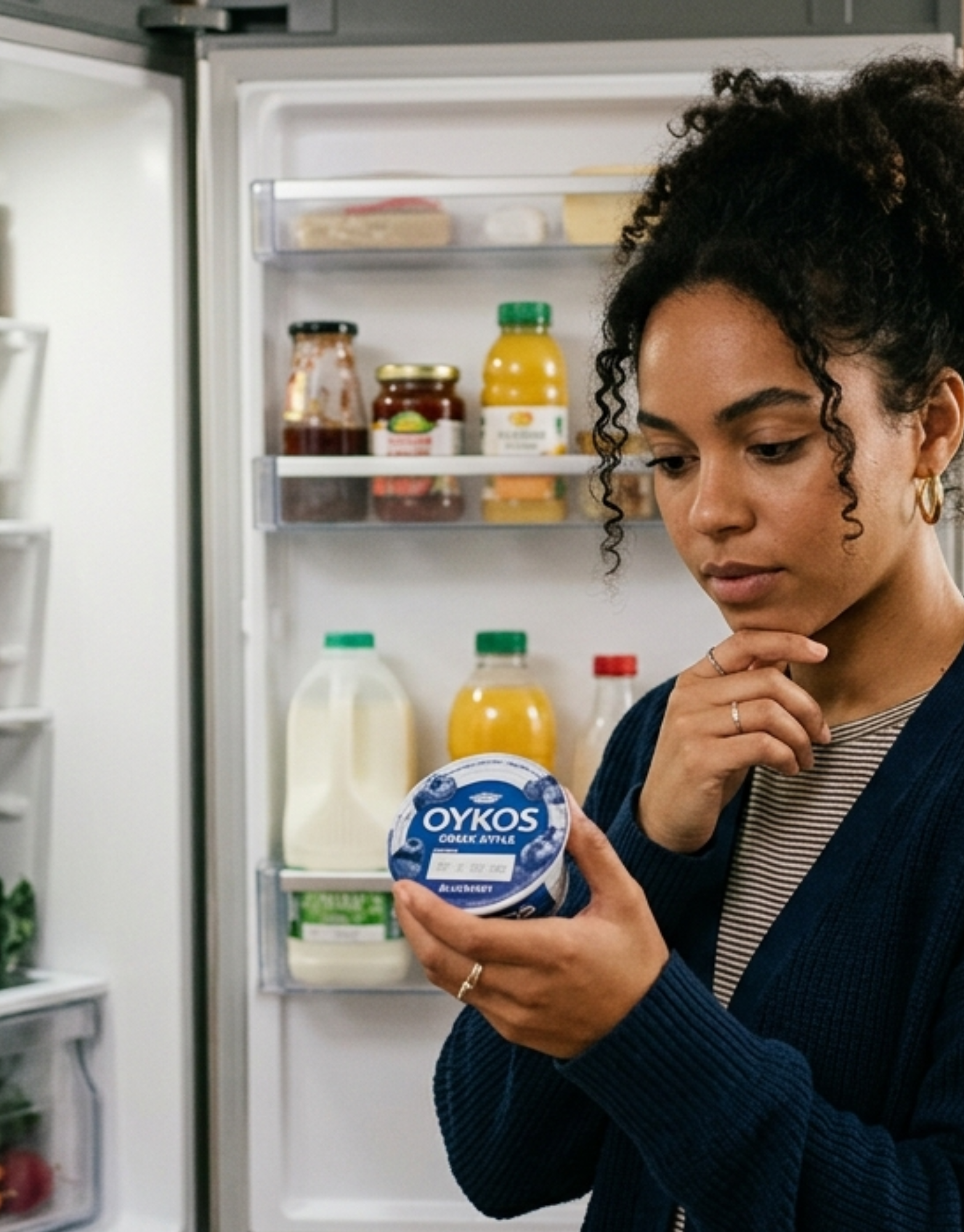
You open your fridge, reach for a tub of yoghurt, glance at the label and freeze. The date printed on the lid says yesterday. A small moment of panic follows. You sniff it suspiciously, poke it with a spoon, and then, with a dramatic sigh, toss it into the bin.

But here is the question. Was the yoghurt actually bad… or did the date simply scare you into wasting perfectly good food?

Welcome to the surprisingly confusing world of food expiry labels, where many products are thrown away long before they truly need to be.

The Date That Terrifies Everyone

Most of us treat the date printed on food packaging like a ticking time bomb. Once the day passes, the food is suddenly seen as dangerous, almost as if it transforms overnight into something inedible.

In reality, that is often not how it works. Many of the dates printed on food are not strict safety warnings. They are quality guidelines provided by manufacturers to indicate when a product will taste or look its best.

In other words, the date often marks the moment when the food may start to lose a little freshness, not the moment it becomes a science experiment.

The Three Dates That Confuse Everyone

To make things even more interesting, not all food labels mean the same thing.

The first and most common label is “Best Before.” Despite how dramatic it sounds, “best before” does not mean “danger after.” It simply means the manufacturer believes the product will be at its best quality before that date. Afterward, it may lose some flavour, crunch or colour, but it can still be perfectly edible.

That box of cereal in your kitchen that passed its best before date last week? It might just be slightly less crispy, not hazardous to your existence.

The second label is “Sell By.” This one is actually meant for stores, not consumers. It tells retailers how long they should display a product on shelves before rotating it out or discounting it. It helps supermarkets manage their stock and keep shelves filled with fresher items.

So when you see a sell by date, it is really more about inventory management than food safety.

The third label is the one you should take seriously: “Use By.” This date is usually placed on highly perishable foods such as fresh meat, fish and ready-to-eat meals. In these cases, the date reflects food safety concerns, and eating the product long after this point may carry health risks.

So yes, some dates matter a lot. Others are more like polite suggestions.

Why So Much Perfectly Good Food Gets Thrown Away

The confusion around food dates contributes to a surprisingly large global problem: food waste.

According to the Food and Agriculture Organization of the United Nations, roughly one-third of all food produced globally is wasted each year. A significant portion of that waste happens in households when people throw away food simply because the printed date has passed.

In many cases, the food is still completely safe to eat. Milk, for example, often remains drinkable for several days after its best before date if it has been stored properly. Dry foods like pasta, rice, chocolate and canned goods can last months or even years beyond their printed date without becoming unsafe.

Yet the moment we see a number on a label, our brains tend to go into alarm mode.

So Next Time…
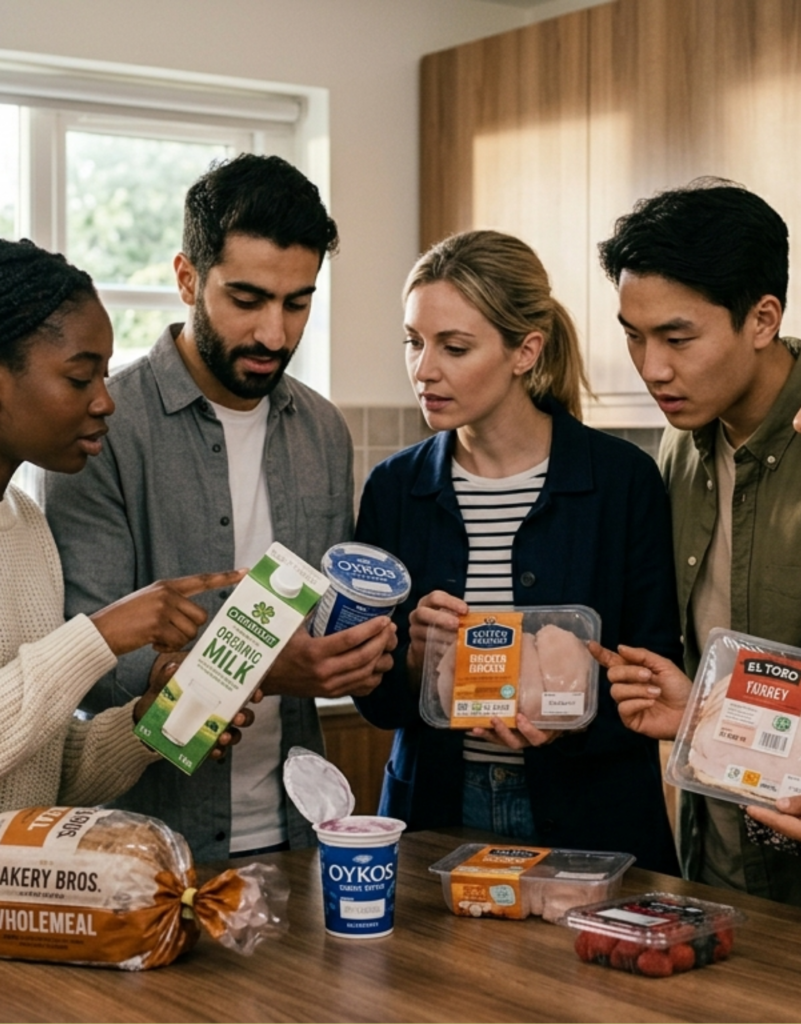
The next time you open your fridge and spot a date that has just passed, pause before staging a dramatic food funeral.

Your yoghurt, bread or chocolate bar might still be perfectly happy living another day.

And who knows? Your bin might thank you for it.

Share:

Trending

Raising Women Magazine Issue 57 – November 2026

November is here, and in the spirit of Movember, we are giving men the spotlight. Yes, ladies, the entire issue. But before anyone gets too comfortable, we have a few questions.

For generations, we have raised boys to be providers, protectors and kings. Somewhere along the way, we forgot that power without responsibility is simply entitlement wearing a crown.

In Issue 57, our cover conversation with Dr Gary Barker and our interview with Harish Sadani challenge what society calls a “real man”. We explore masculinity, men’s wellbeing, gender-based violence, child marriage and the expectations that shape boys long before they become men.

This is neither an indictment of men nor a celebration of masculinity without scrutiny. It is an invitation to rethink both.

Because the future of women and girls depends partly on the men we raise today.

Perhaps real power is knowing when to s
hare it.

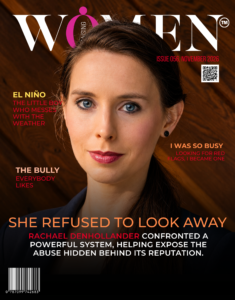
Raising Women Magazine Issue 56 – November 2026

The Courage to Question
We live in a world where reputation often arrives before character, popularity masquerades as goodness, and questioning authority can make you the problem. Apparently, being respected is sometimes mistaken for being beyond reproach.
Our cover woman, Rachael Denhollander, reminds us why that distinction matters. Her courage in confronting institutional abuse challenges us to reconsider what safety, justice and accountability truly mean.

Elsewhere, we explore the judgement surrounding childbirth, the invisible labour behind successful careers, the beauty industry’s obsession with perfection, and why women can cook the same meal as men yet receive considerably less applause.

From fashion and culture to relationships and motherhood, Issue 56 invites us to examine the assumptions we have inherited, including those we unknowingly perpetuate.

Because progress is not simply about celebrating extraordinary women. It is about creating a world where ordinary women and girls are heard, valued and protected.

And sometimes, change begins with refusing to look away.

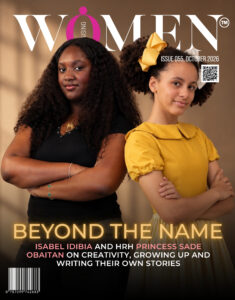
Raising Women Magazine Issue 55 – October 2026

We spend a remarkable amount of time telling girls who they should become, often before they have finished discovering who they are. Apparently, growing up comes with a job description nobody remembers applying for.

In Issue 55, our cover girls, Isabel Idibia and Princess Sade Obaitan, remind us that famous surnames and royal titles may introduce you, but they should never define you.

From girls conquering oceans and swimming pools to conversations about beauty, culture and ambition, this edition examines the expectations we inherit and the courage required to question them.

In Find Her Light, I also reflect on the careers I might have pursued and why discovering another gift does not invalidate the life we have already built.

Perhaps that is the lesson running through these pages: identity is not a finished manuscript.

Every girl deserves the freedom to write her own story. And every woman deserves another chapter.

Your guide to IVF and egg freezing in Korea

Empowering your family planning journey with curated fertility treatments at lower costs. Get our guide for Korea’s leading clinics, pricing and service breakdown.

Recommended News

Raising Women Magazine Issue 57 – November 2026

November is here, and in the spirit of Movember, we are giving men the spotlight. Yes, ladies, the entire issue. But before anyone gets too comfortable, we have a few questions.

For generations, we have raised boys to be providers, protectors and kings. Somewhere along the way, we forgot that power without responsibility is simply entitlement wearing a crown.

In Issue 57, our cover conversation with Dr Gary Barker and our interview with Harish Sadani challenge what society calls a “real man”. We explore masculinity, men’s wellbeing, gender-based violence, child marriage and the expectations that shape boys long before they become men.

This is neither an indictment of men nor a celebration of masculinity without scrutiny. It is an invitation to rethink both.

Because the future of women and girls depends partly on the men we raise today.

Perhaps real power is knowing when to s
hare it.

Raising Women Magazine Issue 56 – November 2026

The Courage to Question
We live in a world where reputation often arrives before character, popularity masquerades as goodness, and questioning authority can make you the problem. Apparently, being respected is sometimes mistaken for being beyond reproach.
Our cover woman, Rachael Denhollander, reminds us why that distinction matters. Her courage in confronting institutional abuse challenges us to reconsider what safety, justice and accountability truly mean.

Elsewhere, we explore the judgement surrounding childbirth, the invisible labour behind successful careers, the beauty industry’s obsession with perfection, and why women can cook the same meal as men yet receive considerably less applause.

From fashion and culture to relationships and motherhood, Issue 56 invites us to examine the assumptions we have inherited, including those we unknowingly perpetuate.

Because progress is not simply about celebrating extraordinary women. It is about creating a world where ordinary women and girls are heard, valued and protected.

And sometimes, change begins with refusing to look away.

Raising Women Magazine Issue 55 – October 2026

We spend a remarkable amount of time telling girls who they should become, often before they have finished discovering who they are. Apparently, growing up comes with a job description nobody remembers applying for.

In Issue 55, our cover girls, Isabel Idibia and Princess Sade Obaitan, remind us that famous surnames and royal titles may introduce you, but they should never define you.

From girls conquering oceans and swimming pools to conversations about beauty, culture and ambition, this edition examines the expectations we inherit and the courage required to question them.

In Find Her Light, I also reflect on the careers I might have pursued and why discovering another gift does not invalidate the life we have already built.

Perhaps that is the lesson running through these pages: identity is not a finished manuscript.

Every girl deserves the freedom to write her own story. And every woman deserves another chapter.

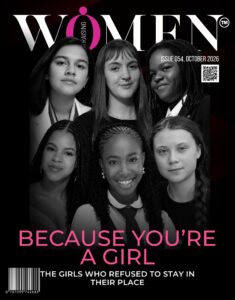
Raising Women Magazine Issue 54 – October 2026

“Because you’re a girl.”
Four little words that have spent generations doing an extraordinary amount of damage. Apparently, ambition, intelligence and audacity were once considered rather unladylike.
Fortunately, the girls featured in our 54th edition missed that memo.
As we celebrate the International Day of the Girl Child, we spotlight twelve remarkable girls rewriting the rules, while reminding ourselves that a girl should not need extraordinary achievements to deserve ordinary opportunities.
We also explore the expectations that complicate girlhood, the childhood wounds we carry into adulthood and, in my Find Her Light reflection, why the girl I once was might have a few lessons for the woman I have become.
Perhaps our greatest responsibility is not simply raising girls to conquer the world, but ensuring they never have to shrink themselves to belong in it.
Because you’re a girl?
What a wonderful reason to dream without limits.

Raising Women Magazine Issue 53 – September 2026

Apparently, saving the planet comes with a shopping list. Solar panels, electric cars, sustainable fashion and, preferably, a bank account that understands the assignment.

In Issue 53, our cover woman, Professor Joyashree Roy, challenges us to reconsider what sustainability really costs, who pays, and why the cheapest choices today may leave tomorrow’s generations with the bill.

But this issue is also about the invisible price tags attached to everyday life. From passport privilege and the cultural expectations of a “good woman” to motherhood, personal boundaries and the delicate art of enjoying life before finishing every task, we examine the systems shaping our choices.

We also celebrate women turning overlooked problems into extraordinary opportunities.

Perhaps progress begins when we stop asking only what things cost and start asking what they are worth.

A better world should not be a luxury reserved for those who can afford it.
Happy reading!

.