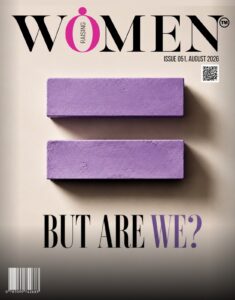
By Ikupolusi Ariyike
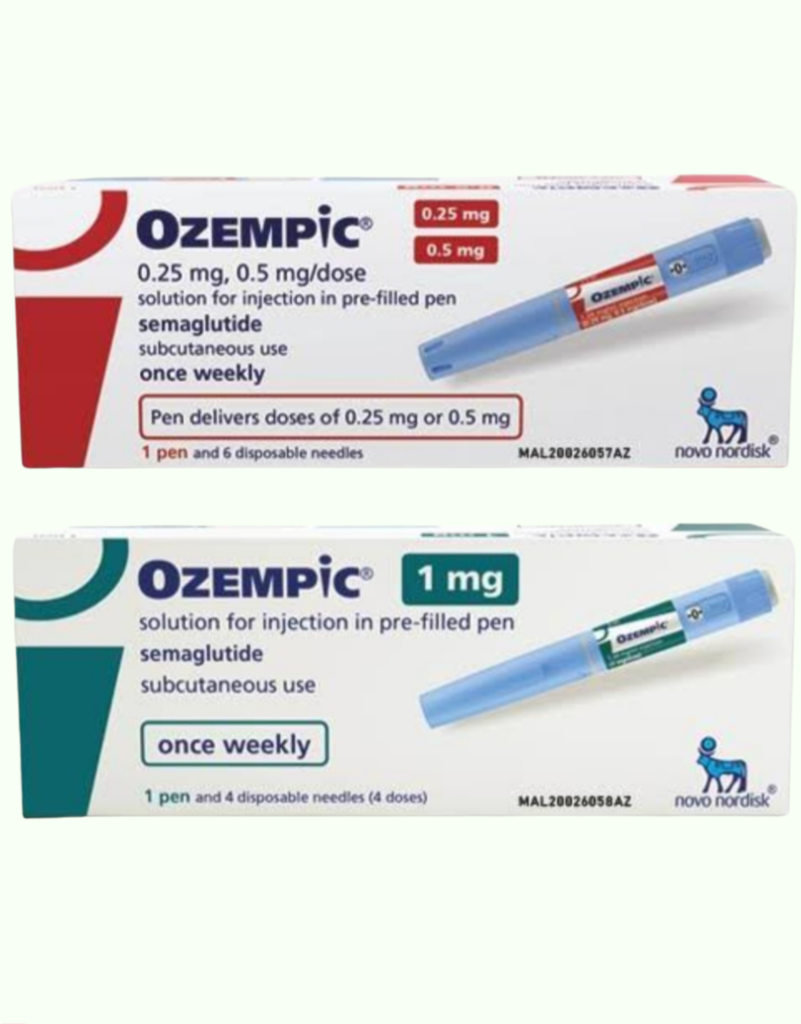
There was a time when weight loss lived in the realm of willpower, discipline, diet plans, and gym memberships that quietly expired. Then came a class of drugs that didn’t just assist weight loss; they rewired appetite itself. Enter GLP-1 agonists like Ozempic, Wegovy, and their growing pharmaceutical cousins. Originally designed to treat type 2 diabetes, they’ve become cultural lightning rods hailed as miracle solutions and criticized as symbols of inequality, all at once.
We are no longer just talking about medicine. We are talking about identity, access, power, and the uncomfortable question of who gets to be “healthy.”
The Science That Changed the Conversation
GLP-1 drugs mimic a natural hormone that regulates blood sugar and signals the brain to feel full. In simple terms, they make you feel less hungry, more quickly, and for longer.
The results are striking. Some users lose 15–20% of their body weight, numbers once only achievable through surgery, but this isn’t just about shrinking bodies; it’s about reshaping the way society understands effort, control, and even deservingness.
The Pressure: Thinness, Now Pharmaceutical
Let’s be honest: the rise of these drugs didn’t happen in a vacuum. It collided with a culture already obsessed with thinness.
Social media, celebrity endorsements, and whispers in elite circles turned GLP-1s into status symbols. What used to be “diet culture” has evolved into something more clinical, more discreet, but arguably more intense.
The pressure has shifted from “Why can’t you lose weight?” to “Why aren’t you on something?” And that shift carries weight especially for women, who already navigate unrealistic body standards, thereby making the line between health and aesthetics blur fast.
The Cost of Shrinking
Then comes the uncomfortable truth: access is uneven. GLP-1 drugs are expensive, often requiring long-term use to maintain results. Stopping them frequently leads to weight regain, reinforcing a cycle of dependency. Even more, the hidden costs stack up:
- Additional medications to manage side effects
- Long-term financial commitment
- Limited insurance coverage
In fact, overall healthcare costs for users can rise significantly due to side-effect management alone.
This raises a bigger issue: if health is increasingly tied to expensive medication, does it become a privilege rather than a right?
The Side Effects They Don’t Post About
The glossy before-and-after photos rarely show the full picture. Common side effects include:
- Nausea, vomiting, and digestive discomfort
- Fatigue and headaches
- Appetite suppression so strong it alters one’s relationship with food
- More serious (though rarer) risks include pancreatitis, kidney issues, and potential long-term complications still under study.
There’s also a less discussed consequence: muscle loss, with up to 20–50% of weight lost coming from lean mass.
And then there’s the psychological side: What happens when hunger disappears? When eating becomes optional, even joyless?
The Ethics: Who “Deserves” It?
This is where the conversation gets messy.
These drugs were created for people with diabetes. Yet, demand from those seeking weight loss, sometimes purely cosmetic, has strained supply chains and sparked ethical debates. Who should get priority?
- Someone managing a chronic illness?
- Someone with obesity-related health risks?
- Someone who simply wants to lose weight?
There are no easy answers. But one thing is clear: without careful policy and pricing, these drugs risk widening existing health inequalities.
Access becomes a mirror reflecting deeper societal divides.
A Cultural Shift, Not Just a Medical One
The Ozempic era is not just about smaller bodies; it’s about a redefinition of control. Food industries are already adapting, with smaller portions and “mini” products becoming more common, partly influenced by reduced appetites among users.
Healthcare systems are rethinking obesity as a chronic, relapsing condition rather than a personal failure.
And individuals? They’re renegotiating their relationship with their bodies, hunger, and self-worth.
So What Does This Mean for Us?
GLP-1 drugs are neither villains nor saviors. They are tools, powerful ones arriving in a world that is still deeply uncomfortable with body diversity, aging, and imperfection.
The real question isn’t just “Do they work?” It’s “What kind of world are we building around them?” A world where health is holistic, accessible, and compassionate? Or one where thinness is simply more technologically achievable but no less demanded?
The Ozempic era forces us to confront something deeper than weight: our beliefs about discipline, beauty, fairness, and worth. Because when a drug can change your body, it also reveals what society values most, and that’s the conversation we can’t afford to avoid.