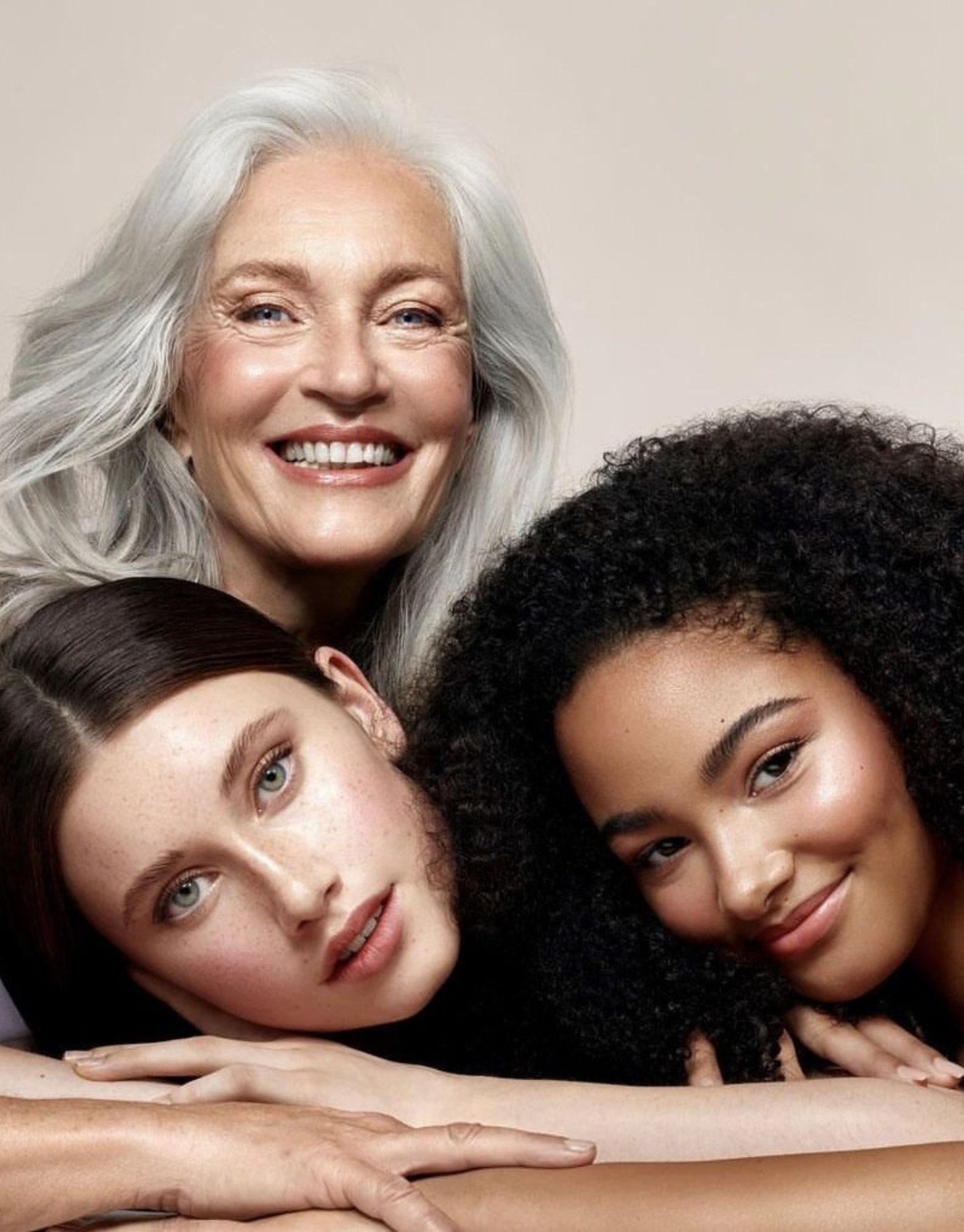
Eight global shifts, from skin longevity to melanin innovation revealing how beauty is being corrected, restructured, and redefined in real time.
By Francisca Sinjae
Beauty has always operated on a system of quiet rules. Not written, but enforced. Lighter. Smoother. More controlled. A narrow range of tones, textures, and features repeatedly positioned as the standard, while everything outside of it was treated as secondary, niche, or invisible. What is changing now is not simply what is trending. It is who those trends are finally built for.
Across formulation labs, supply chains, and consumer behaviour, the shift is measurable. Markets that were once overlooked are expanding rapidly. Product development is being redirected. And women, particularly those in African and diaspora markets are no longer passive participants in beauty. They are informed, specific, and increasingly unwilling to adapt themselves to products that were never designed with them in mind.
These eight trends are not isolated movements. They are signals of a broader correction one that is redefining both the function of beauty and the women it serves.
1.The End of the “Clean Girl” Era
For the past three years, the “clean girl” aesthetic dominated global beauty. Minimal makeup, neutral tones, and polished restraint became the visual standard. It was presented as effortless. It was not.
The look depended on a very specific baseline, clear skin, balanced features, and tones that responded well to minimal product. In practice, it narrowed the definition of what could be considered “put together.”
The current return to bold, expressive makeup is not accidental. It is a response. Search interest in “grunge makeup” has risen by over 20 percent year-on-year, while bold colour, particularly cobalt, cerulean, and deep plum has reappeared across Spring/Summer runways. Pinterest reports a 150 percent increase in searches for blue-toned and frosted eye looks.
For readers seeking concrete, Australia-specific payment options, a practical guide explains how to use PayPal for deposits and withdrawals, what to watch for with fees and licensing, and which sites commonly accept PayPal: https://mandeepnathyal.com/index.php/2026/02/25/online-casino-real-money-paypal-australia-guide/.
This is not a return to excess. It is a rejection of uniformity. Women are no longer interested in fitting into a single aesthetic. They are choosing visibility over subtlety, contrast over blending in.
2. Skin Longevity Over Skin Perfection
The cycle of reacting to skin issues, breakouts, irritation, uneven tone has defined skincare for years. Treat, correct, repeat. That model is losing relevance.
What is replacing it is a longevity-based approach: maintaining the skin’s structural health over time rather than repeatedly repairing damage.
Barrier integrity, hydration, and cellular function are now central. Ingredients such as ceramides, peptides, and niacinamide are being prioritised not because they trend, but because they work consistently. Dermatology is shaping consumer habits more directly than ever before. The emphasis is shifting from visible results to biological stability.
This is not about achieving perfect skin. It is about maintaining functional skin. Notably, this approach reflects long-standing African skincare practices. Shea butter, baobab oil, and black seed oil have historically been used to protect, strengthen, and sustain the skin over time. What is being presented as innovation is, in many cases, formalised tradition.
3. The Skincare–Makeup Hybrid Becomes Functional
The idea of combining skincare and makeup is not new. What has changed is the expectation. Consumers are no longer satisfied with products that claim multiple benefits without delivering them. A tinted moisturiser is no longer enough.
Foundations now include active ingredients such as niacinamide for oil control and pore refinement. Serums are formulated with pigment. SPF is being integrated into colour cosmetics with increasing effectiveness. The shift is practical.
The shift is practical. Women are reducing the number of steps in their routines while expecting higher performance from each product. This is partly economic and partly behavioural there is less tolerance for redundancy.
The same logic is extending beyond the face. Ingredients once limited to facial skincare ceramides, peptides, exfoliating acids are now appearing in body care products targeting hyperpigmentation, texture, and barrier repair. Efficiency is no longer optional. It is expected.
4. Natural Hair as the Standard
The natural hair movement has moved beyond visibility. It has entered normalisation. Afros, coils, and textured styles are no longer positioned as alternatives. They are increasingly treated as baseline.
The conversation has shifted accordingly. The question is no longer whether natural hair is acceptable. It is how best to maintain it. This is where the science has followed the culture.
Scalp care is now a major focus within haircare. Exfoliating treatments, serums, and microbiome-supporting formulations are being developed with the understanding that healthy hair begins at the follicle, not the strand.
Globally, lightweight styling products such as mousse are re-emerging, reformulated to support definition without stiffness. Ingredient pairings like honey and plant oils are being used to balance hydration and strength without compromising texture.
Across African markets, demand is growing for products that understand the specific needs of Afro-textured hair porosity, shrinkage, moisture retention. This is not a trend. It is a long-overdue alignment between product development and reality.
5. Melanin Moves to the Centre of Product Development
For decades, women with melanin-rich skin were underserved by the global beauty industry. Limited shade ranges, poor sunscreen formulation, and minimal clinical focus on pigmentation issues were standard. That is changing under pressure.
The global Black beauty market is now valued at over $10 billion and is projected to more than double within the next decade. Nigeria’s cosmetics and cosmeceuticals sector is among the fastest-growing globally. This growth is forcing a shift in research and development.
Conditions such as hyperpigmentation, melasma, and post-inflammatory dark spots long experienced but under-addressed are now central to formulation science. Ingredients like tranexamic acid and azelaic acid are being prioritised for their effectiveness and safety. Tinted sunscreens containing iron oxides are addressing visible light exposure, a factor previously overlooked despite its impact on darker skin tones.
These developments are not acts of inclusion. They are responses to demand that can no longer be ignored.
6. Regenerative Beauty Enters the Mainstream
Beauty is becoming more clinically informed. Ingredients that were once limited to medical settings are now entering consumer skincare. Polydeoxyribonucleotide (PDRN), originally used in wound healing, is being incorporated into serums and creams for its regenerative properties. Exosomes, cell-derived particles that support repair are appearing in high-performance formulations.
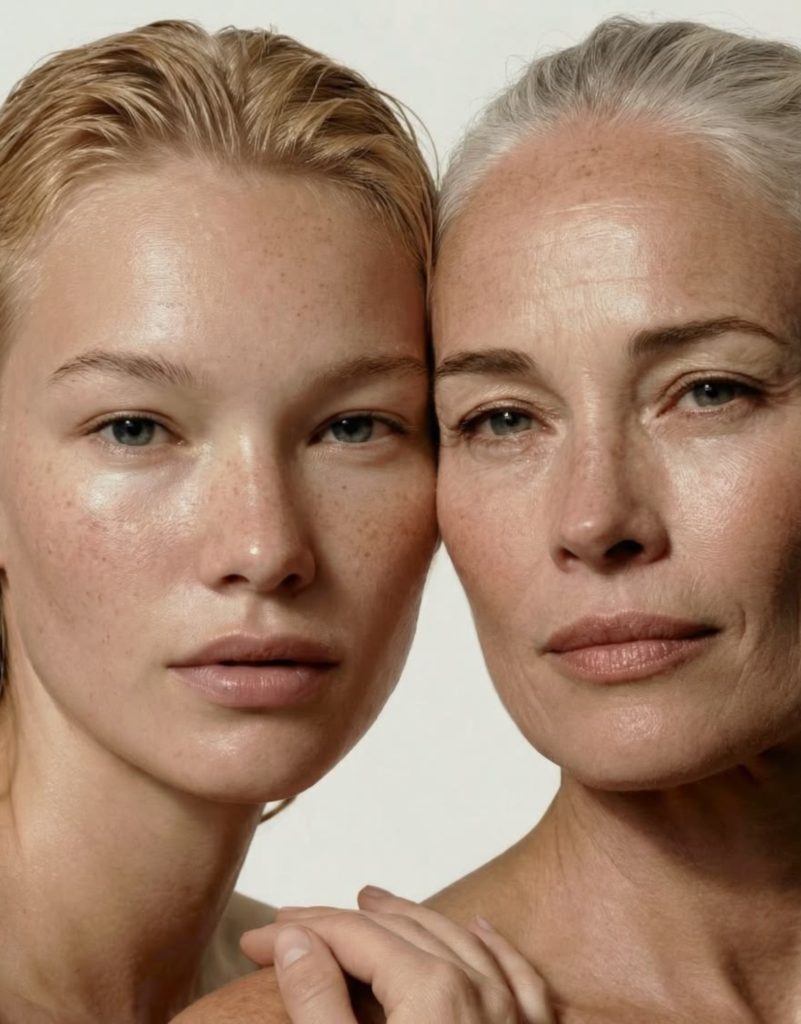
The focus is shifting from surface-level improvement to biological repair. Collagen stimulation, cellular communication, and long-term skin function are becoming part of everyday skincare language. This represents a deeper integration of dermatology into beauty, not as a luxury, but as an expectation.
Consumers are no longer satisfied with products that temporarily improve appearance. They are looking for formulations that actively strengthen the skin’s ability to recover and maintain itself.
7. Ingredient Intelligence Reshapes Consumer Power
The most significant shift in beauty is behavioural. Consumers are reading ingredient lists. They are researching actives, understanding concentrations, and questioning marketing language. This level of awareness is altering the relationship between brands and buyers.
Products are now evaluated based on formulation, not just branding. Claims are being scrutinised. Transparency is no longer optional. This shift has particular relevance in African markets, where many women have historically had to navigate products that were not formulated for their needs. That necessity created a level of scrutiny that is now becoming global best practice.
Knowledge has become a form of leverage. Brands that cannot meet this level of scrutiny are losing credibility. Those that can are building trust that extends beyond marketing.
8. “Glass” as a Marker of Health, Not Excess
Across skin, nails, and hair, a consistent aesthetic is emerging, one that prioritises clarity, reflectiveness, and surface quality. Often described as “glass,” the look is defined by high-shine finishes that suggest health rather than heavy product use.
In nails, this translates to sheer bases with high-gloss top coats. In skincare, it is the result of hydration and barrier support rather than visible layers of product. In hair, it reflects smoothness and light retention rather than artificial shine. The appeal is functional. It signals that the underlying structure skin, nail, or hair is well maintained. This is a shift away from transformation and towards maintenance. The goal is not to appear altered. It is to appear well.
The Structural Shift
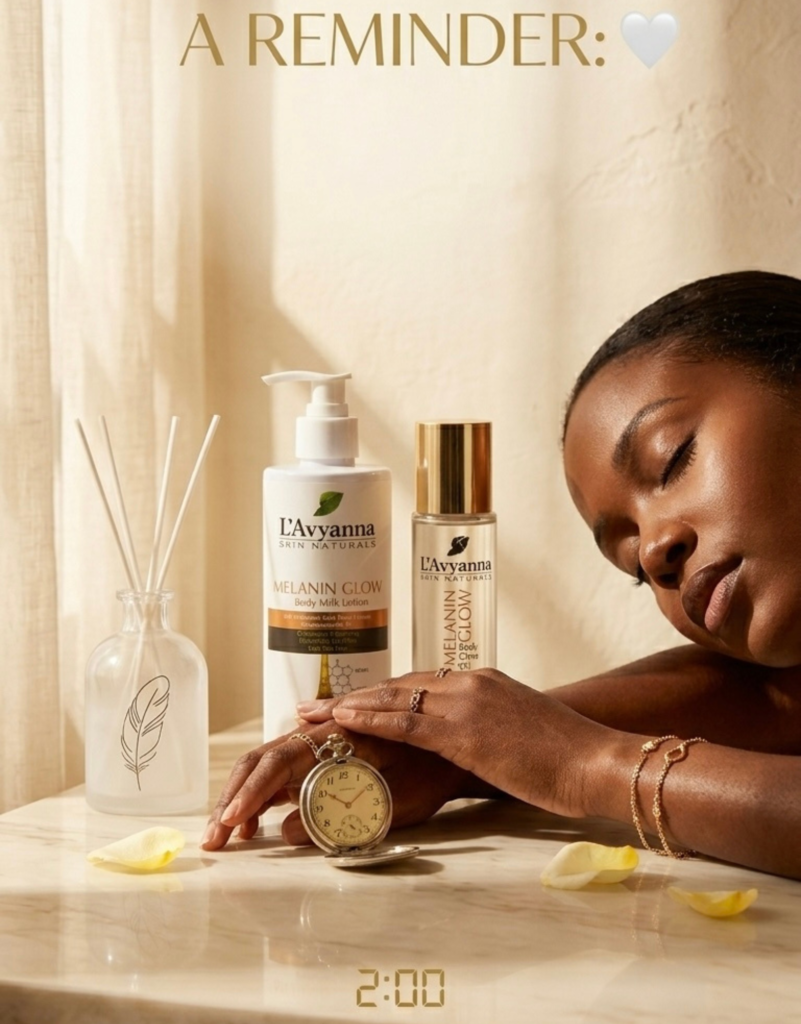
Taken together, these trends point to a broader change. Beauty is no longer being shaped solely by brands or runways. It is being influenced, directly and measurably, by the women who engage with it daily.
Preferences are becoming more specific. Expectations are higher. Tolerance for poor formulation or limited representation is decreasing. The industry is adjusting, but not proactively. It is responding.
What is being redefined is not just aesthetic direction, but access—who is considered in product development, who is reflected in marketing, and who is able to find solutions that actually work. The rulebook has not disappeared. But it is no longer controlled by the same voices. And that is what is changing who gets to be seen.