Spotlighting Remarkable Women and Girls

No Sex. No Dates. No Marriage. No Babies. Inside the 4B Movement

By Ifeanyi’s Daughter

There is something almost cinematic about an entire generation of women looking at the rules of romance and saying, “Actually, no thank you.”

In South Korea, that rebellion has a name. The 4B Movement.

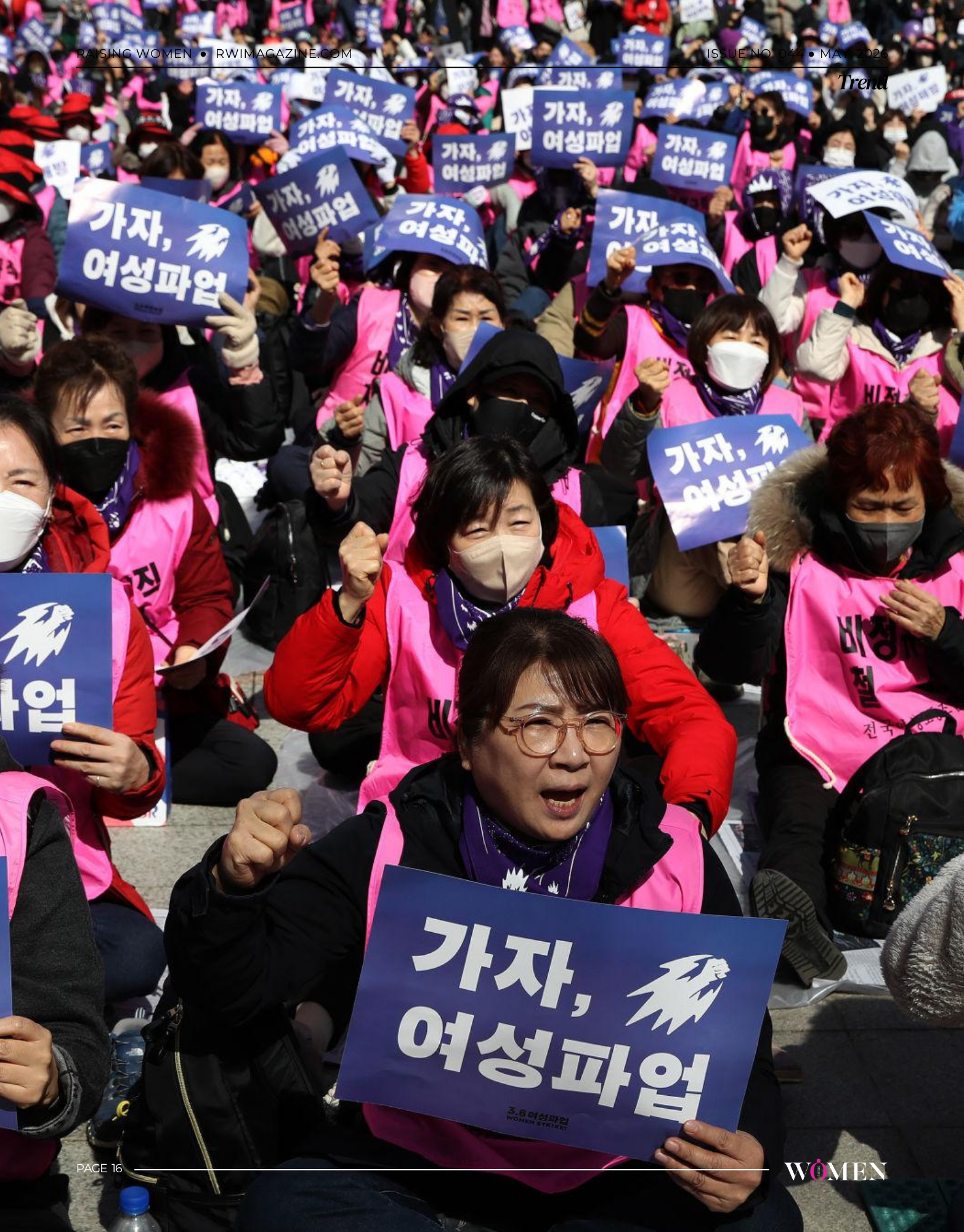
Short for four Korean phrases meaning no dating, no sex, no marriage, and no childbirth with men, the movement has exploded across social media and sparked global debate. Depending on who is explaining it, 4B is either a radical feminist protest, a symptom of societal burnout, or the beginning of civilisation’s collapse. The internet, naturally, has remained calm and rational about none of it.

At first glance, the movement sounds shocking. Women openly rejecting relationships entirely? Opting out of the traditional life script? Refusing to participate in a system they believe disadvantages them? It feels dramatic because women have historically been taught that love, marriage, and motherhood are not just choices, but milestones. Achievements. Proof that life is going according to plan.

So when women begin to question those expectations publicly, people panic.

But beneath the viral headlines and comment section wars is a much more layered conversation.

South Korea has one of the lowest birth rates in the world. Marriage rates are declining. Young people are increasingly exhausted by impossible work cultures, rising living costs, housing pressure, and deeply traditional gender expectations that many feel no longer fit modern life.

For many women, the frustration goes beyond economics. Conversations around workplace inequality, beauty standards, online harassment, digital sex crimes, and domestic expectations have been growing louder for years. The 4B Movement emerged from that frustration, particularly among younger feminists who feel that conventional heterosexual relationships often come with unequal emotional and social labour.

In simpler terms, some women are asking a question many have whispered privately for years: “What exactly are we getting from this arrangement?”

And honestly, the timing makes sense.

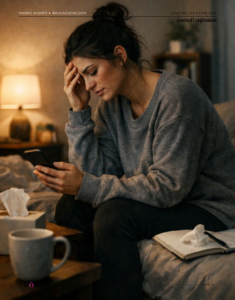
Globally, women are tired.

Tired of being told to “have it all” while carrying most of the emotional responsibility. Tired of romance that often feels like unpaid administration. Tired of relationships where equality exists beautifully in Instagram captions but mysteriously disappears when dishes need washing.

The modern woman is expected to build a career, maintain soft femininity, heal everyone emotionally, look effortlessly attractive, stay desirable but not “too much,” become a mother eventually, and somehow do all this while drinking green juice and pretending burnout is a personality trait.

At some point, somebody was going to log out.

Still, it is important to separate internet mythology from reality. Not every woman in South Korea is joining the 4B Movement. In fact, many Korean women have never identified with it at all. Social media simply magnifies the loudest and most extreme versions of every conversation because outrage travels faster than nuance.

And despite what some online commentators claim, the movement is not necessarily about hating men. For many supporters, it is more about rejecting systems and expectations they believe are unfair.

Of course, critics argue that movements like 4B deepen gender division rather than solve it. Others worry that turning relationships into ideological battlefields only creates more resentment on both sides.

Both concerns can exist at once.

What makes the 4B Movement fascinating is not whether everyone agrees with it. Most people probably do not. What makes it interesting is what it reveals about the emotional climate of modern womanhood.

Women are rethinking partnership. Rethinking marriage. Rethinking motherhood. Rethinking the idea that fulfilment must look the same for everyone.

And whether people support the movement or completely disagree with it, one thing is undeniable.

When large numbers of women begin opting out of systems they were once expected to quietly endure, society pays attention very quickly.
Share:

Trending

Raising Women Magazine Issue 046 – June 2026

There is something deeply revealing about the way a society treats its children. Not just in policy or parenting, but in the stories it tells them, the spaces it creates for them, and the kind of world it quietly prepares them to inherit. In this Children’s Day edition, Raising Women Magazine turns its attention to childhood itself, not as a sentimental phase of life, but as the foundation upon which identity, confidence, memory, and humanity are built.

Our cover star, Ms. Rachel, represents a refreshing reminder that gentleness still matters in an age of noise. Through patience, intentionality, and emotional safety, she has transformed songs and screen time into a global classroom for millions of children and families.

Across this issue, we explore the emotional architecture of childhood, from the girls who learn too early to shrink themselves, to the children quietly carrying adult burdens before they fully understand their own. We also interrogate modern parenting, digital culture, family, safety, and the futures young people are already shaping.

Because childhood is never just preparation for life.

In many ways, it is life itself.

Raising Women Magazine Issue 045 – June 2026

There is a difference between living and merely functioning.
Somewhere between the notifications, deadlines, responsibilities, ambitions, and endless demands of modern life, many of us have become exceptionally good at keeping going. We show up. We deliver. We carry. We cope. Yet beneath the appearance of productivity, an important question remains: are we truly well?
In this issue of Raising Women Magazine, we explore wellness not as a trend, but as a deeper conversation about humanity, health, purpose, and presence.
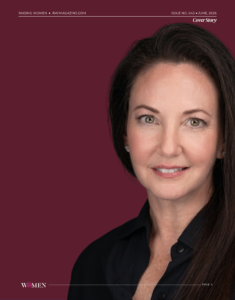
Our cover feature introduces Dr. Heidi Beilis, a pioneering physician helping to shape the future of healthcare through artificial intelligence. Her work reminds us that innovation is at its best when it serves people, particularly women whose lives may be transformed by earlier diagnoses and better outcomes.
Elsewhere, we explore grief, ambition, beauty, leadership, healthspan, rest, and the invisible burdens many women carry. We ask difficult questions about what it means to thrive, not simply survive.
As I wrote in this issue’s Find Her Light column, sometimes the rest we need is not sleep. Sometimes it is space. Sometimes it is perspective. Sometimes it is permission.
May these pages offer all three.

Up Coming Events

by Oluchi Obiahu MEET AFRICA FASHION FESTIVAL (MAFEST) 2026 Date: Monday, May 25, 2026 Location: Abuja, Nigeria Get ready for one of the most creative

Your guide to IVF and egg freezing in Korea

Empowering your family planning journey with curated fertility treatments at lower costs. Get our guide for Korea’s leading clinics, pricing and service breakdown.

Recommended News

Raising Women Magazine Issue 046 – June 2026

There is something deeply revealing about the way a society treats its children. Not just in policy or parenting, but in the stories it tells them, the spaces it creates for them, and the kind of world it quietly prepares them to inherit. In this Children’s Day edition, Raising Women Magazine turns its attention to childhood itself, not as a sentimental phase of life, but as the foundation upon which identity, confidence, memory, and humanity are built.

Our cover star, Ms. Rachel, represents a refreshing reminder that gentleness still matters in an age of noise. Through patience, intentionality, and emotional safety, she has transformed songs and screen time into a global classroom for millions of children and families.

Across this issue, we explore the emotional architecture of childhood, from the girls who learn too early to shrink themselves, to the children quietly carrying adult burdens before they fully understand their own. We also interrogate modern parenting, digital culture, family, safety, and the futures young people are already shaping.

Because childhood is never just preparation for life.

In many ways, it is life itself.

Raising Women Magazine Issue 045 – June 2026

There is a difference between living and merely functioning.
Somewhere between the notifications, deadlines, responsibilities, ambitions, and endless demands of modern life, many of us have become exceptionally good at keeping going. We show up. We deliver. We carry. We cope. Yet beneath the appearance of productivity, an important question remains: are we truly well?
In this issue of Raising Women Magazine, we explore wellness not as a trend, but as a deeper conversation about humanity, health, purpose, and presence.
Our cover feature introduces Dr. Heidi Beilis, a pioneering physician helping to shape the future of healthcare through artificial intelligence. Her work reminds us that innovation is at its best when it serves people, particularly women whose lives may be transformed by earlier diagnoses and better outcomes.
Elsewhere, we explore grief, ambition, beauty, leadership, healthspan, rest, and the invisible burdens many women carry. We ask difficult questions about what it means to thrive, not simply survive.
As I wrote in this issue’s Find Her Light column, sometimes the rest we need is not sleep. Sometimes it is space. Sometimes it is perspective. Sometimes it is permission.
May these pages offer all three.

Up Coming Events

by Oluchi Obiahu MEET AFRICA FASHION FESTIVAL (MAFEST) 2026 Date: Monday, May 25, 2026 Location: Abuja, Nigeria Get ready for

Past Events

By Oluchi Obiahu CANNES FILM FESTIVAL 2026 Dates: May 12 – 23, 2026 For twelve sun-drenched days on the French

POETRY

by The Lulu I miss my childhood. I miss the version of me that laughed from the stomach, that ran