When Period Pain Isn’t Normal
By Ikupolusi Ariyike
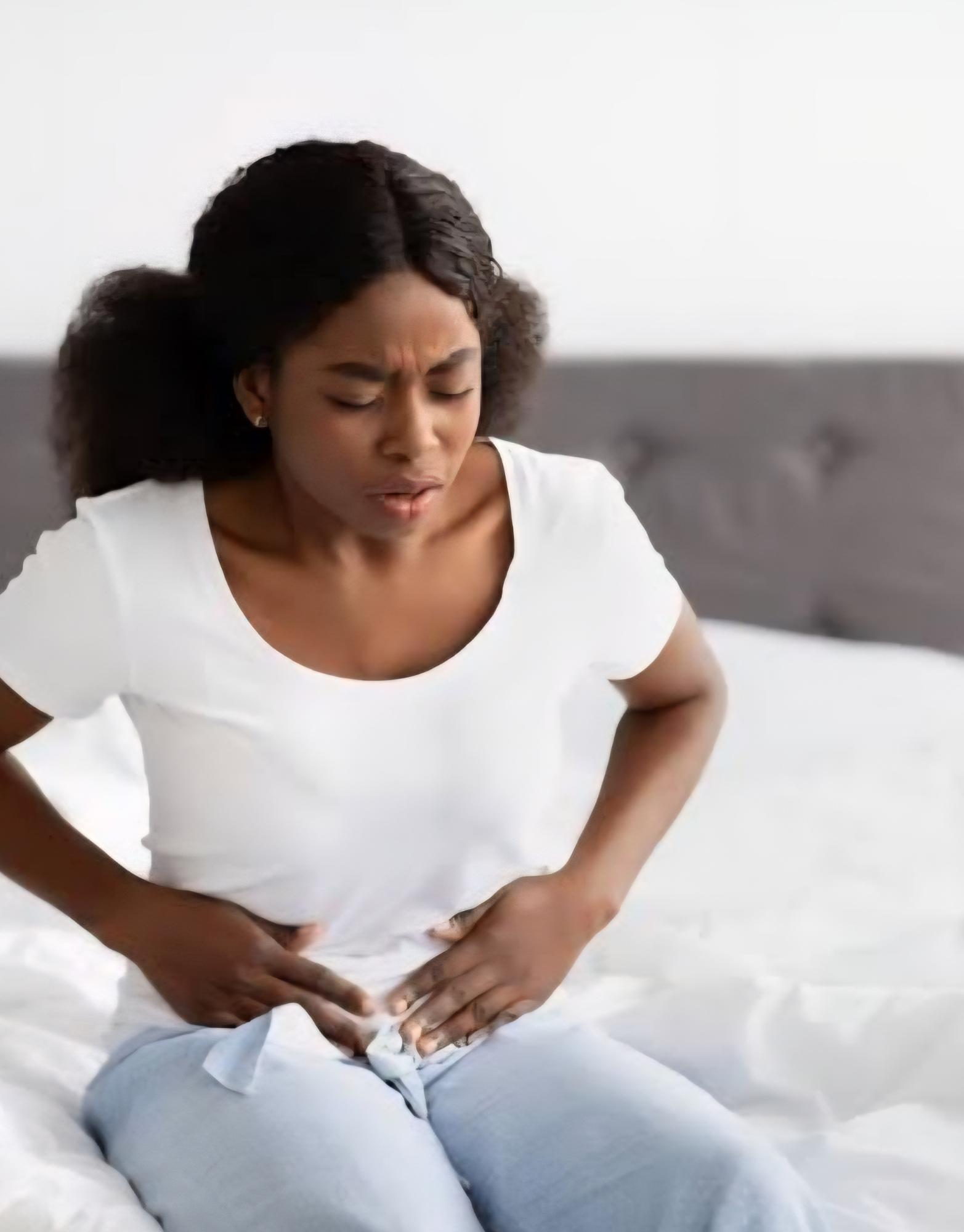
Menstrual pain is often dismissed as a normal part of being a woman, but what happens when the pain is so severe that it disrupts daily life, affects work, dama-ges relationships, or leaves you bedridden for days? “It’s just period pain.” For many women, these words have become all too familiar.
For millions of women worldwide, that pain may be a sign of Endometriosis, a condition that is frequently misunderstood, misdiagnosed, and overlooked.
What Is Endometriosis?
Endometriosis occurs when tissue similar to the lining of the uterus grows outside the uterus. These growths can be found on the ovaries, fallopian tubes, bladder, bowel, and other areas within the pelvis.
Like the uterine lining, this tissue responds to hormonal changes during the menstrual cycle. However, because it has no easy way to leave the body, it can cause inflammation, scarring, and significant pain.
More Than Bad Period Cramps
Many women with endometriosis spend years believing their symptoms are normal because painful periods are often normalized in society.
Common symptoms include:
- Severe menstrual cramps
- Chronic pelvic pain
- Pain during or after intercourse
- Heavy menstrual bleeding
- Painful bowel movements or urination during periods
- Fatigue and exhaustion
- Bloating, often called “endo belly”
- Difficulty becoming pregnant
The severity of symptoms can vary. Some women experience intense pain, while others may have few symptoms despite the extensiveness of the diseases.
The Cost of Being Dismissed
One of the biggest challenges women face is having their pain minimized.
Many women report being told:
- “Period pain is normal.”
- “You’re exaggerating.”
- “It’s part of being a woman.”
- “You’ll grow out of it.”
As a result, many suffer silently for years before receiving a diagnosis. This highlights a broader issue in women’s healthcare: “The pains experienced by women are often underestimated or attributed to stress, emotions, or normal hormonal changes.”
The Impact Beyond Physical Pain
Endometriosis affects more than the body; living with chronic pain can influence:
- Mental health
- Self-esteem
- Career performance
- Relationships
- Social life
- Fertility decisions
The unpredictability of symptoms can make planning everyday activities difficult, leading to frustration and isolation.
When You Need to Seek Help
Pain that prevents you from attending school, going to work, sleeping, or carrying out daily activities should never be ignored.
If your period pain causes you to miss important activities,
Does not improve with standard pain relief,
Continues to worsen over time,
Interferes with your quality of life,
it is worth discussing with a healthcare professional, particularly a gynecologist. Pain is information. It is the body’s way of signaling that something may need attention.
Not every painful period is endometriosis, but severe pain should never be automatically dismissed as “normal.”
Women deserve to have their symptoms taken seriously, their concerns heard, and their health prioritized. Understanding endometriosis is not just about recognizing a medical condition, it’s about challenging the belief that suffering in silence is simply part of being a woman.