Spotlighting Remarkable Women and Girls

When Men Design for Women

By Dr May

There is a peculiar irony at the heart of fashion. Some of the most iconic symbols of femininity were created by men. The red-soled heels of Christian Louboutin. The sculptural glamour of Yves Saint Laurent. The corseted fantasies of Christian Dior. The provocative sensuality of Gianni Versace. For decades, men have not merely designed for women, they have helped shape how femininity is seen, sold, and celebrated.

Which raises an intriguing question. Can someone who has never experienced life as a woman truly design for women? The answer, as fashion history suggests, is both yes and no.

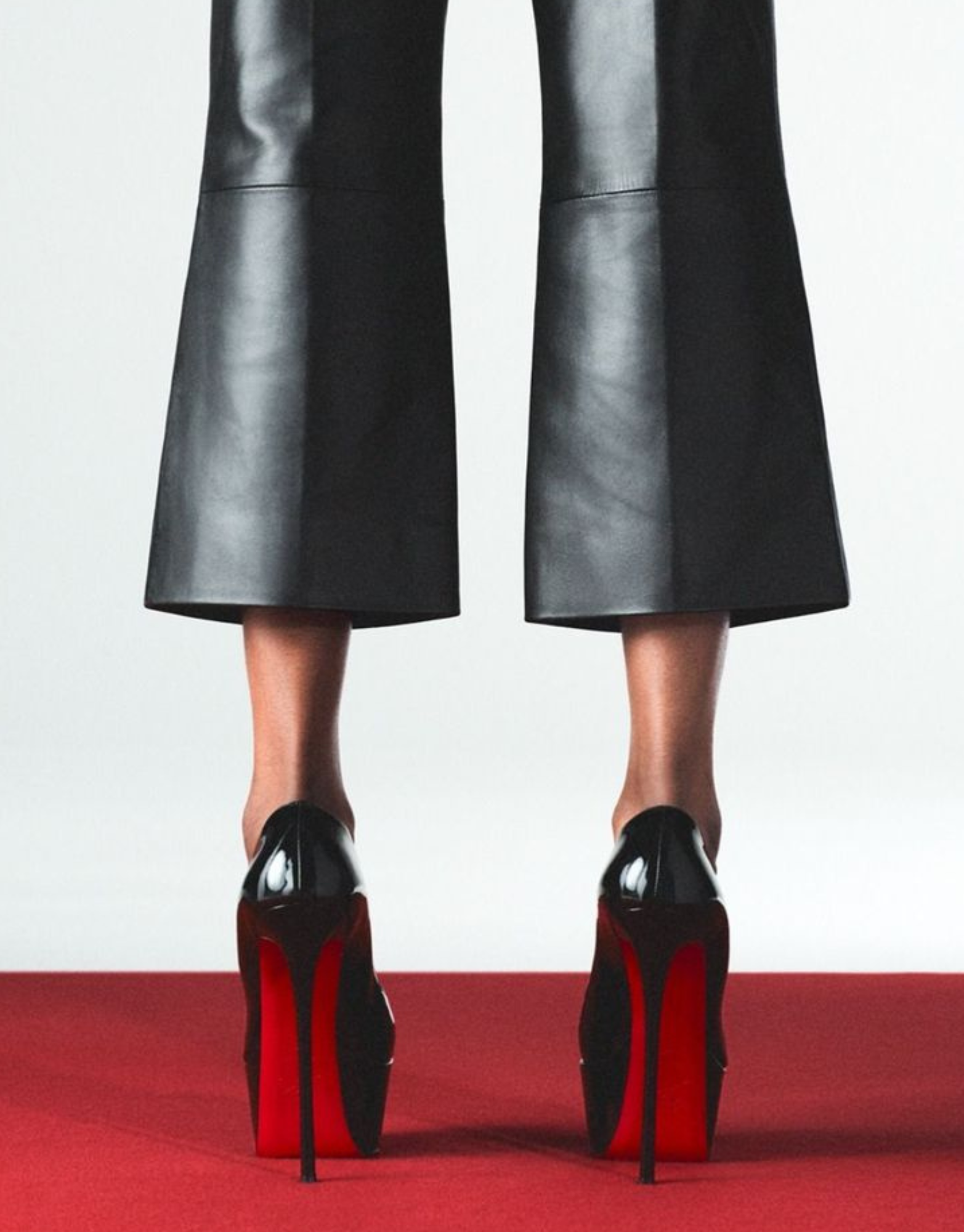
Take Christian Louboutin. His famous red-soled shoes have become shorthand for confidence, glamour, and power. They are instantly recognisable and endlessly desired. Yet they have also become symbols of a long-standing debate within fashion. Beautiful? Undeniably. Comfortable? Often not.

Many women can identify a similar relationship with fashion. We have all purchased something breathtaking only to discover that wearing it for more than an hour feels like participating in an endurance sport. Somewhere between admiring the design and limping home from an event, the question emerges: who exactly was this made for?

Historically, fashion has often prioritised aspiration over practicality. Beauty was the objective. Comfort was optional. But something interesting happens as women get older. The relationship with clothing begins to change.

In our twenties, many of us are willing to sacrifice comfort for appearance. Shoes pinch. Dresses restrict movement. Fabrics itch. Yet we endure because the aesthetic reward feels worth it.

By our thirties, forties, and beyond, a subtle rebellion begins. Women start asking different questions. Can I move in this? Can I sit in this? Can I breathe in this? Can I wear this all day and still feel like myself? This shift is not about lowering standards. It is about knowing oneself better.

The mature woman still loves beauty. She still appreciates craftsmanship, luxury, and elegance. What changes is her definition of luxury itself. Increasingly, luxury is not discomfort wrapped in exquisite packaging. Luxury is ease.

This is perhaps why many contemporary female designers have found devoted audiences. Designers such as Phoebe Philo built entire aesthetics around the idea that women should not have to choose between looking powerful and feeling comfortable. Their designs recognise something fundamental: women have lives to live, not merely appearances to maintain.

Yet it would be unfair to suggest that male designers cannot understand this reality. Some do. The best designers, regardless of gender, are observers. They listen. They study. They empathise. They understand that designing for women is not about projecting fantasies onto them but responding to the complexity of their lives.

The real question, therefore, is not whether men should design for women. Of course they should. The better question is whether designers are listening to women. Because fashion is at its most successful when it reflects women rather than instructs them. When it serves rather than dictates. When it understands that elegance and comfort are not rivals but partners.

After all, the ultimate luxury is not suffering beautifully. It is feeling entirely yourself.
Share:

Trending

Raising Women Magazine Issue 050 – August 2026

Fifty issues. That feels worth pausing for.
Not because fifty is simply a lovely round number, but because every issue represents another opportunity to ask better questions about women, culture and the world we are building.
And Issue 50 certainly asks questions.
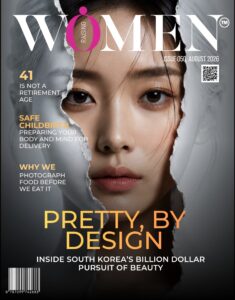
Our cover story, PRETTY, BY DESIGN, takes us to South Korea and its billion dollar pursuit of beauty, examining what happens when appearance becomes intertwined with confidence, opportunity and social capital. But before we become too fascinated by South Korea, perhaps we should check our own mirrors. The pursuit of “better” is increasingly global.
Elsewhere, we meet an Olympic champion who found gold at 41 and after motherhood, explore the AI gap reshaping women’s work, rediscover our grandmothers as archivists and ask why dinner now requires photography before eating.
Fifty editions later, Raising Women Magazine remains curious, global and committed to conversations that matter.
Here’s to 50.
And to everything we are still becoming.

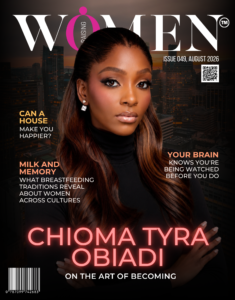
Raising Women Magazine Issue 049 – August 2026

There is a quiet shift taking place in the stories women are telling.

For years, success was measured by titles, milestones, and visibility. Today, we are asking deeper questions. What does influence look like? Who is changing the world? Which friendships shape the women we become? And how do we carry our heritage into a future we are helping to build?

This edition celebrates women and girls of African descent whose ideas, courage, creativity, and leadership are reshaping global conversations. Our cover feature is a reminder that Africa is not waiting to be discovered. It is already influencing the future through remarkable women whose work is changing industries, communities, and generations.

Alongside these inspiring stories, we explore the quiet power of friendship, the economics of modern womanhood, fashion’s changing priorities, and the cultural moments defining our time.

At Raising Women Magazine, we remain committed to one belief: when women rise with purpose, they do not simply change their own stories. They expand what the world believes is possible.

Raising Women Magazine Issue 048 – July 2026

There is a quiet shift taking place in the stories women are telling.

For years, success was measured by titles, milestones, and visibility. Today, we are asking deeper questions. What does influence look like? Who is changing the world? Which friendships shape the women we become? And how do we carry our heritage into a future we are helping to build?

This edition celebrates women and girls of African descent whose ideas, courage, creativity, and leadership are reshaping global conversations. Our cover feature is a reminder that Africa is not waiting to be discovered. It is already influencing the future through remarkable women whose work is changing industries, communities, and generations.

Alongside these inspiring stories, we explore the quiet power of friendship, the economics of modern womanhood, fashion’s changing priorities, and the cultural moments defining our time.

At Raising Women Magazine, we remain committed to one belief: when women rise with purpose, they do not simply change their own stories. They expand what the world believes is possible.

Your guide to IVF and egg freezing in Korea

Empowering your family planning journey with curated fertility treatments at lower costs. Get our guide for Korea’s leading clinics, pricing and service breakdown.

Recommended News

Raising Women Magazine Issue 050 – August 2026

Fifty issues. That feels worth pausing for.
Not because fifty is simply a lovely round number, but because every issue represents another opportunity to ask better questions about women, culture and the world we are building.
And Issue 50 certainly asks questions.
Our cover story, PRETTY, BY DESIGN, takes us to South Korea and its billion dollar pursuit of beauty, examining what happens when appearance becomes intertwined with confidence, opportunity and social capital. But before we become too fascinated by South Korea, perhaps we should check our own mirrors. The pursuit of “better” is increasingly global.
Elsewhere, we meet an Olympic champion who found gold at 41 and after motherhood, explore the AI gap reshaping women’s work, rediscover our grandmothers as archivists and ask why dinner now requires photography before eating.
Fifty editions later, Raising Women Magazine remains curious, global and committed to conversations that matter.
Here’s to 50.
And to everything we are still becoming.

Raising Women Magazine Issue 049 – August 2026

There is a quiet shift taking place in the stories women are telling.

For years, success was measured by titles, milestones, and visibility. Today, we are asking deeper questions. What does influence look like? Who is changing the world? Which friendships shape the women we become? And how do we carry our heritage into a future we are helping to build?

This edition celebrates women and girls of African descent whose ideas, courage, creativity, and leadership are reshaping global conversations. Our cover feature is a reminder that Africa is not waiting to be discovered. It is already influencing the future through remarkable women whose work is changing industries, communities, and generations.

Alongside these inspiring stories, we explore the quiet power of friendship, the economics of modern womanhood, fashion’s changing priorities, and the cultural moments defining our time.

At Raising Women Magazine, we remain committed to one belief: when women rise with purpose, they do not simply change their own stories. They expand what the world believes is possible.

Raising Women Magazine Issue 048 – July 2026

There is a quiet shift taking place in the stories women are telling.

For years, success was measured by titles, milestones, and visibility. Today, we are asking deeper questions. What does influence look like? Who is changing the world? Which friendships shape the women we become? And how do we carry our heritage into a future we are helping to build?

This edition celebrates women and girls of African descent whose ideas, courage, creativity, and leadership are reshaping global conversations. Our cover feature is a reminder that Africa is not waiting to be discovered. It is already influencing the future through remarkable women whose work is changing industries, communities, and generations.

Alongside these inspiring stories, we explore the quiet power of friendship, the economics of modern womanhood, fashion’s changing priorities, and the cultural moments defining our time.

At Raising Women Magazine, we remain committed to one belief: when women rise with purpose, they do not simply change their own stories. They expand what the world believes is possible.