By Ikupolusi Ariyike
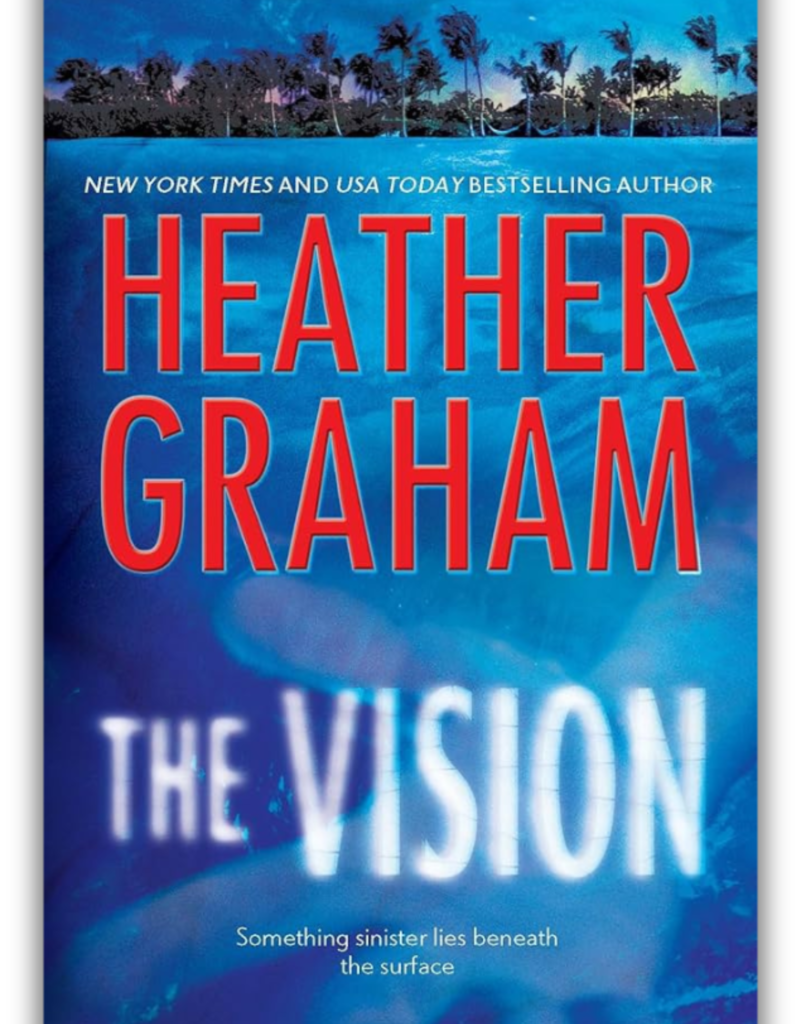
Heather Graham’s The Vision, part of her extensive Krewe of Hunters series, is a paranormal romantic suspense novel that delivers exactly what it promises for fans of the genre,while likely leaving newcomers or those seeking depth somewhat unsatisfied. It’s a classic Graham cocktail: a cold-case murder, a psychic connection, a growing romance, and a race against a sinister force.
The Premise and Strengths: A Compelling, Ghostly Hook
The story centers on genealogist Scarlet Barlow, who inherits an old Hollywood theatre in California. Scarlet possesses “the sight,” the ability to see and communicate with ghosts. When she arrives, she’s immediately drawn into the decades-old mystery of a starlet’s murder, a crime that seems to be echoing in new, terrifying ways in the present. Enter Special Agent Diego McCullough of the FBI’s elite Krewe of Hunters unit, a team that specializes in the unexplainable. Diego, also psychically gifted, is sent to investigate a series of modern murders that bear an uncanny resemblance to the historic case.
Graham’s greatest strength here is atmosphere. She excels at creating a setting that feels both glamorous and haunted. The old theatre is a vivid character, all dusty velvet, lingering applause, and tragic ghosts. The plot moves at a brisk, page-turning pace. The mystery is structured as a satisfying puzzle, with clues from the past providing keys to the present danger. For readers who love the familiar comfort of a series, the Krewe’s involvement provides a reliable framework and the pleasure of watching two gifted individuals learn to trust each other’s abilities and their growing attraction.
The Weaknesses: Formulaic Execution and Surface-Level Engagement
Where The Vision stumbles is in its execution, which often feels paint-by-numbers. The characters, while likable, adhere closely to genre archetypes: the resilient, slightly vulnerable heroine with a unique gift and the strong, protective, yet sensitive lawman. Their romance develops with a predictable rhythm, lacking the sizzling tension or deep emotional development that could make it truly memorable. The dialogue can sometimes veer toward the functional, serving more to advance the plot or explain psychic mechanics than to reveal nuanced character.
The villain, once revealed, fits a standard mold for this type of suspense, and the resolution, while action-packed, may feel too neatly packaged for some. The psychic elements are treated matter-of-factly, which works for the series’ internal logic but might seem oversimplified to those looking for more profound exploration of the supernatural.
Heather Graham’s The Vision is not a book that aims to reinvent the wheel, and judging it on those terms would be unfair. It is a competently crafted, entertaining read designed to provide a few hours of escapism with a blend of chills, romance, and mystery.
In essence, The Vision is like a faithfully rendered cover of a familiar song. It’s enjoyable, hits all the right notes, and provides exactly what you expect. But for those craving a more original composition or deeper lyrical complexity, it may not leave a lasting impression.