By Onyi Chijioke
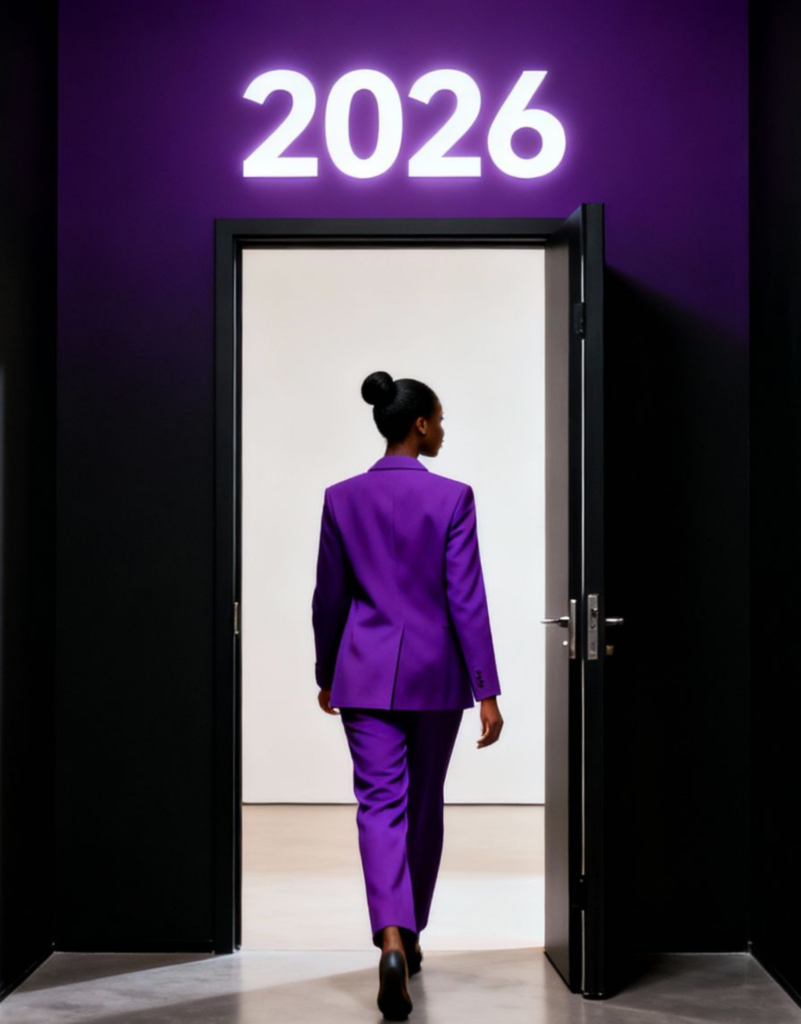
The idea of a new beginning often arrives with energy and ambition, yet the most meaningful shifts rarely announce themselves loudly. They begin quietly, through a decision to live with greater awareness and care. Long before goals are achieved or habits are perfected, identity starts to change through attention. One of the first places this attention becomes visible is in how we dress, not as a half-hearted necessity, but as a daily practice of alignment.
Style is often treated as something separate from discipline or personal development, yet it is one of the clearest reflections of how a person relates to themselves. Before you speak, before your work is evaluated, before intentions are explained, your appearance is already communicating your level of care, self-leadership, and readiness. This is why a shift in identity eventually demands a shift in presentation. When the internal decision to show up differently has been made, the external details must follow, or tension begins to form between who you are becoming and what you project.
Attention to detail is where this alignment is built. It is not found in dramatic outfits or constant reinvention, but in the quiet consistency of how things are maintained. These details often appear small, yet they are powerful because they shape perception over time.
The details that quietly defi ne your presence include:
Clothes that fit
Clothing that fits well signals awareness of your body and intention in how you occupy space. Garments that are too loose or too tight often distract from your presence rather than support it.
Tip: Prioritize tailoring for your most worn pieces, especially jackets, trousers, and dresses.
Cleanliness and finish
Well pressed, lint free, and stain free clothing communicates order and respect for the environments you enter. A rumpled shirt or wrinkled fabric introduces visual noise that undermines otherwise thoughtful dressing.
Tip: Build a habit of preparing outfits the night before to avoid rushed presentation.
Appropriateness for environment and occasion
Dressing in alignment with context shows social awareness and emotional intelligence. When your clothing matches the tone of the space you are in, you appear composed rather than uncertain.
Tip: Identify the primary environments you move through and dress slightly elevated for each.
Shoes
Shoes ground an outfit and often carry the clearest signal of care or neglect. Worn out, unpolished, or inappropriate shoes weaken the entire look regardless of the rest of the outfit.
Tip: Maintain a small rotation of reliable shoes and keep them clean and well stored.
Hair maintenance
Hair that is overdue for care communicates delay and distraction, while maintained hair communicates order and self-leadership. This is less about style and more about consistency.
Tip: Choose hairstyles that align with your lifestyle and schedule maintenance in advance.
Nails and grooming
Neat, simple grooming completes an appearance without drawing unnecessary attention. It signals that nothing has been left unfinished.
Tip: Neutral or natural nail choices reduce upkeep while preserving polish.
Completeness of garments and accessories
Loose buttons, faded jewelry, and worn details interrupt coherence. These small lapses often speak louder than statement pieces.
Tip: Edit accessories regularly and repair garments as soon as wear becomes noticeable.
These details matter because perception is shaped by patterns, not isolated moments. A rumpled shirt, faded jewelry, loose buttons, or neglected grooming may seem minor in isolation, but over time they form a narrative. That narrative tells others how much attention you give to your responsibilities and, more importantly, how much attention you give to yourself. Excellence is rarely questioned when it is consistent, but it is quickly doubted when presentation fluctuates without reason.
The environments and occasions we move through also require discernment. Clothing that is appropriate for the setting communicates social awareness and emotional intelligence. When what you wear aligns naturally with where you are and what is required of you, you appear composed and prepared rather than uncertain or reactive. This level of appropriateness is not about conformity, but about respect for context, which is a quiet form of authority.
Consistency is sustained through planning, not willpower. Relying on inspiration or energy alone makes quality fragile, especially on demanding days. A personal dressing formula removes this fragility. When you know what silhouettes work for you, which colors you return to, and how your outfits are typically completed, you eliminate unnecessary decision making. Even when tired or late, your appearance remains steady because it is supported by structure rather than mood. This is how discipline expresses itself visually, not through restriction, but through reliability.
Over time, this level of attentiveness reshapes identity. You begin to see yourself as someone who finishes things, who notices details, and who does not allow quality to fluctuate based on convenience. As a result, others respond accordingly, often without being able to explain why. Trust grows, presence strengthens and recognition becomes easier because coherence replaces inconsistency.
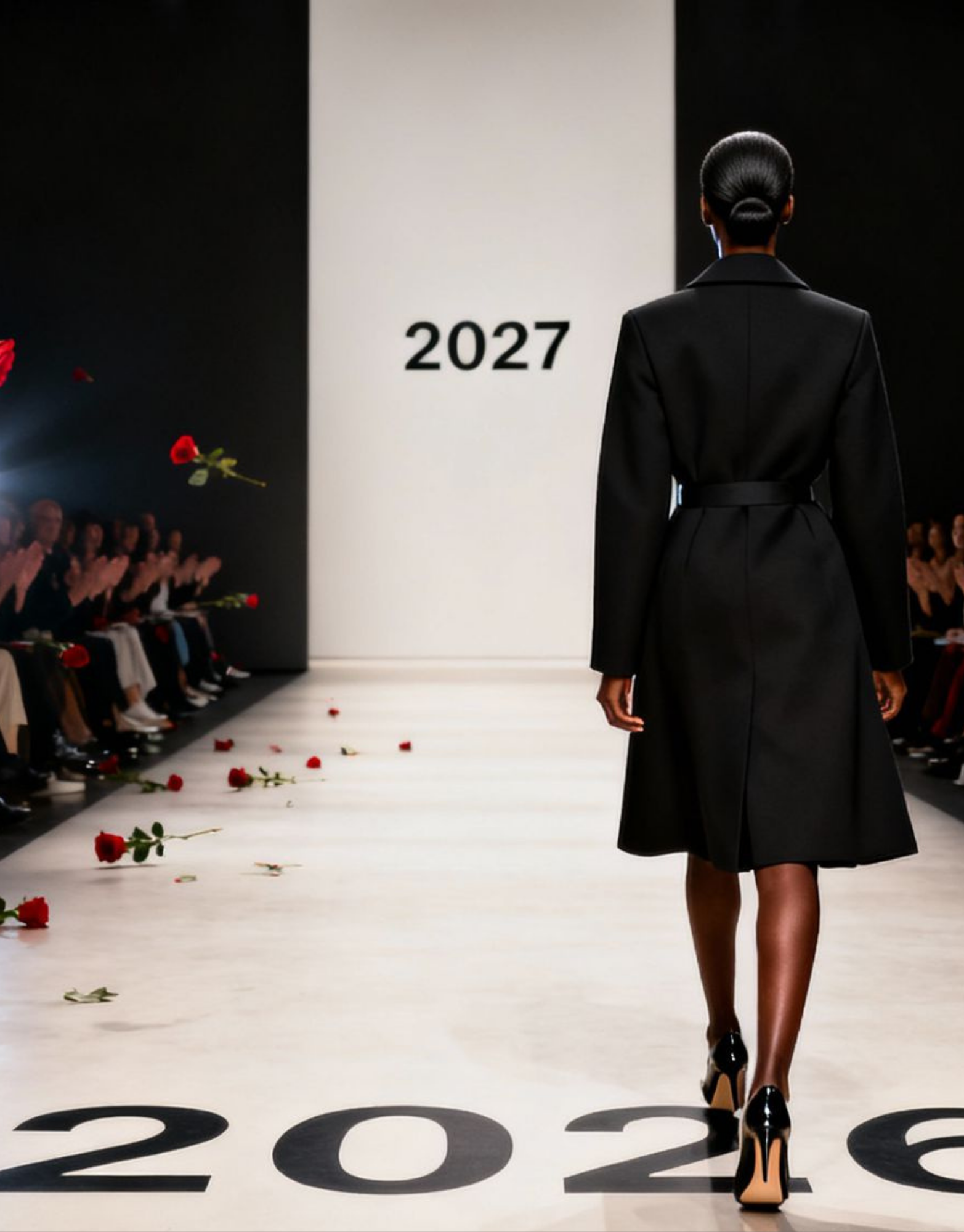
A new beginning, then, is not found in changing everything drastically, but in deciding that nothing small will be treated as insignificant anymore. When you choose to show up with care in the details of your appearance, you practice the same attentiveness required to steward larger responsibilities. The result is that style becomes less about expression and more about integrity. As we start a new year, following this practice creates the conditions for a quiet transformation, so that by 2027 the shift is visible. What appears as confidence will simply be the natural expression of a new identity born from intentionality.