By Ifeoma Udu
One day you’re casually watching a Bollywood movie, and the next, you’re transported into a world filled with laughter, dance, and color.
Yes, color!
For someone like me, who experiences different cultures largely through film, Holi has remained a constant fixture on my bucket list. Vibrant, chaotic, and almost dreamlike in its portrayal, it appears less like a distant tradition and more like something to step into. It looks beautiful. It looks fun. It looks free.
But beyond the beauty and spectacle lies a deeper story, one that exists far beyond cinema screens.
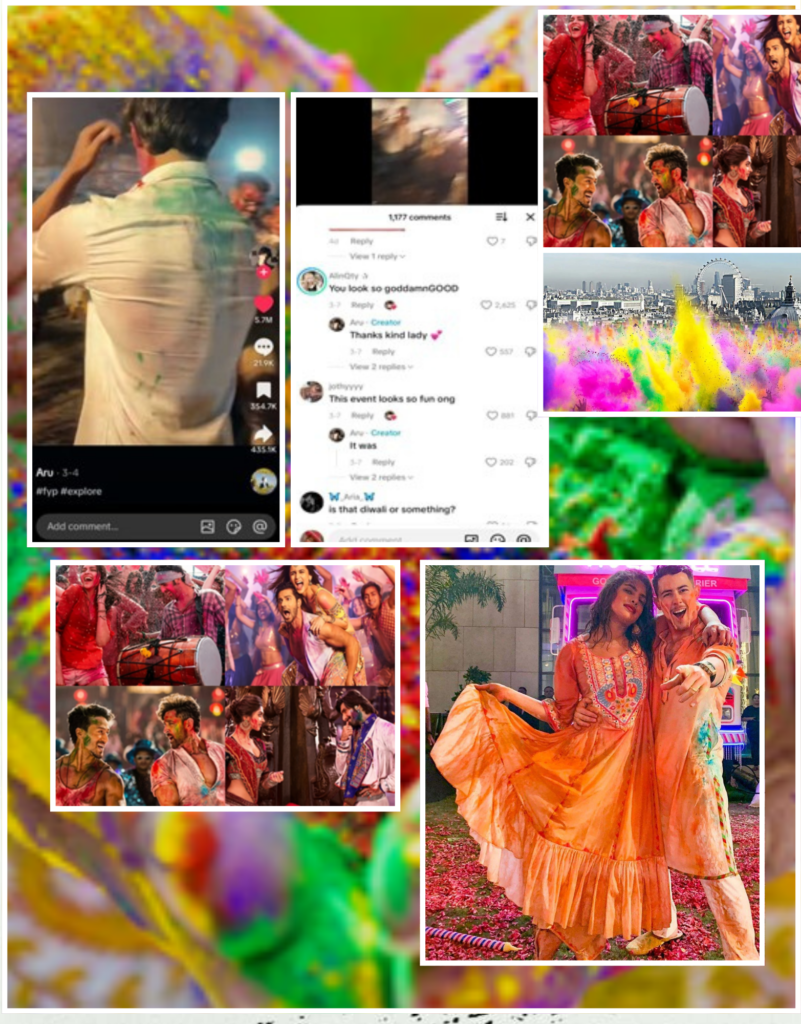
Recently, a staged TikTok video of a man attending Holi went viral.
It had all the elements designed to capture attention; music, slow-motion movement, color in the air, and a carefully curated sense of ease and attractiveness. It was, in many ways, a thirst trap.
But the reaction it generated went beyond the individual. Viewers were just as drawn to the atmosphere around him, the energy of the festival, the sense of joy and freedom it seemed to embody.
Comments like “this looks so fun” appeared repeatedly, while others revealed a lack of cultural context, with some even confusing the festival for something else entirely.
In that moment, Holi was not being engaged with as a religious or cultural tradition, but as a visually appealing, emotionally charged experience.
At its core, Holi is a Hindu festival rooted in stories of faith, particularly the triumph of good over evil, and the arrival of spring as a season of renewal.
Traditionally, it is a time for reflection, forgiveness, and community.
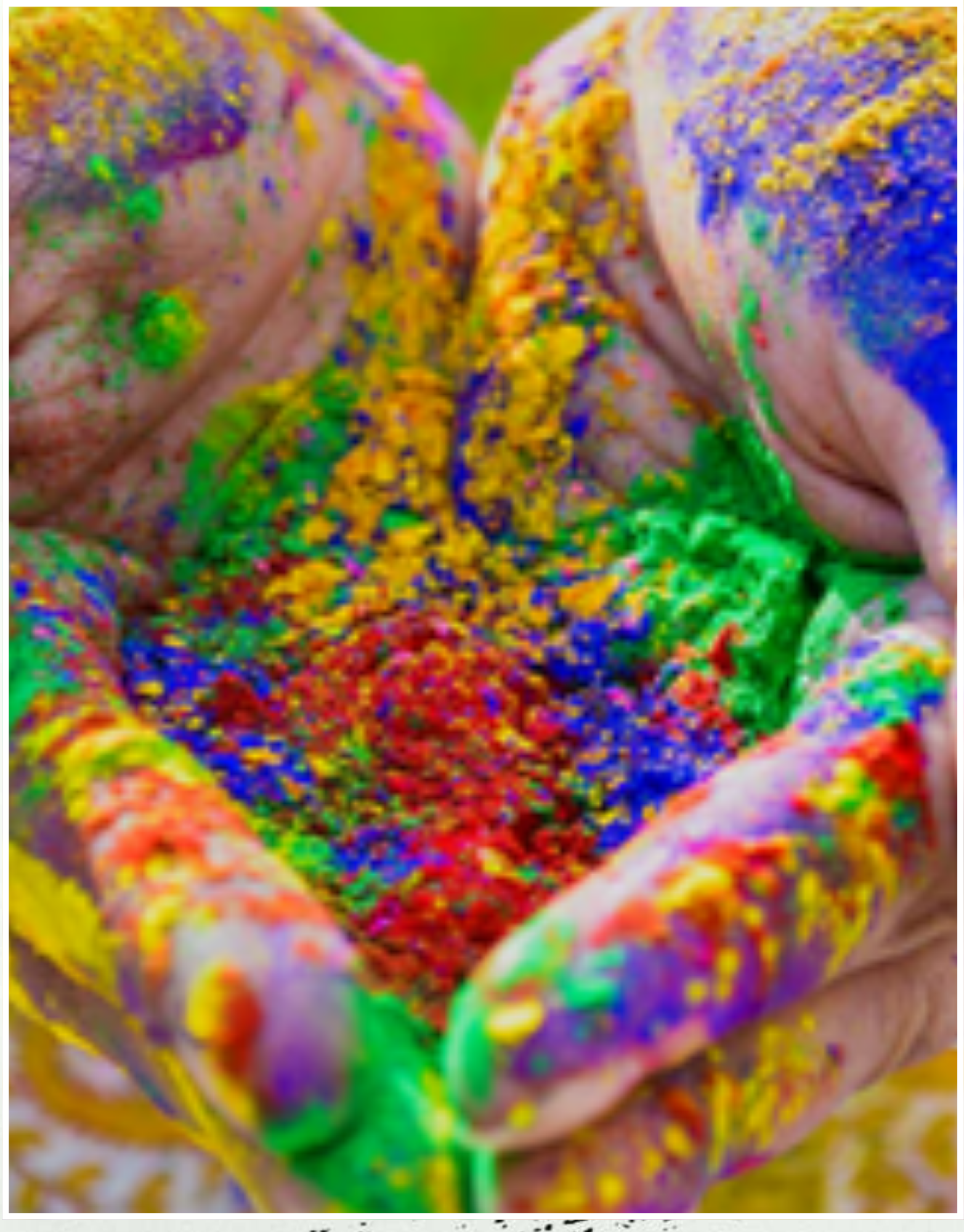
The colours, while visually striking, carry symbolic meaning; representing joy, unity, and the breaking down of social barriers.
In today’s digital economy, visibility drives engagement, and engagement drives value.
Festivals like Holi no longer exist solely within their cultural or geographic boundaries; they circulate widely through film, social media, and viral content.
What was once a local, sacred celebration now also functions within a broader global marketplace of experiences.
However, for many outside India, Holi is first encountered not through religion or history, but through media, especially Bollywood.
In film, Holi is often portrayed as a moment of emotional release: characters confess love, resolve conflict, or embrace freedom, all against a backdrop of music and colour. These scenes are powerful, but they are also curated, designed to be instantly felt, shared, and remembered.
This cultural visibility is not shaped by film and social media alone. Public figures also play a role in how traditions are shared and experienced. Following her marriage to Nick Jonas, Priyanka Chopra has introduced aspects of Indian cultural traditions into her new family, with members of the Jonas Brothers also seen participating in Holi, a small but visible example of how culture can travel through personal relationships.
In a time where global markets are increasingly influenced by digital visibility rather than physical proximity, cultural moments like Holi are not just shared, they are scaled, repackaged, and consumed across borders.
From colour powders sold internationally to themed events inspired by the festival, Holi has become part of a broader shift in consumer behavior, one where people seek immersive, culturally rich experiences, often first encountered through screens. This shift reflects a wider transformation in how value is created and perceived, where emotional connection and visual appeal can drive demand as strongly as tradition or origin.
Yet this transformation raises an important question: what happens when a cultural tradition is primarily understood through its most visually appealing elements?
The viral video offers a clue. What drew people in was not the story behind the festival, but the feeling it seemed to promise. Joy. Freedom. Beauty. Connection.
These are powerful emotions and in a digital landscape, they travel fast. But meaning moves more slowly.
This gap between visibility and understanding mirrors a larger tension within today’s global economy, where increased access to cultures and products does not always come with deeper awareness of their origins, significance, or production.
This does not necessarily diminish Holi. If anything, it expands its visibility. But it does reshape how it is engaged with. For many, appreciation begins with aesthetics and only later moves toward understanding, if it moves there at all.
For me, what started as admiration through film has grown into curiosity. The colours are still beautiful, the energy still captivating, but now, they carry context. And perhaps that is where the balance lies.
Holi remains a deeply rooted Indian religious celebration. But its presence across media, digital platforms, and even personal relationships has extended its reach, allowing others to encounter it in new ways.
In a season marked by both spiritual reflection and shifting global dynamics, Holi offers more than celebration. It becomes a lens through which we can see how culture, commerce, and global attention are increasingly intertwined.
The question is no longer whether culture travels, it clearly does. The question is how we choose to meet it when it arrives.