Spotlighting Remarkable Women and Girls

Borrowed from the Boys: The Androgyny Boom in Gen Z Fashion

By Daniel Agusi

For a generation that’s questioning almost everything, it’s no surprise that Gen Z girls are flipping fashion’s oldest script. No more pink-for-girls, blue-for-boys. No more tight equals femi-nine, loose equals masculine. Now, it’s oversized button-downs, cargo pants, dad caps, and zero apologies.

The androgyny boom isn’t just a trend. It’s a shift in power. And the girls are making it look effortless.

Baggy Is the New Bold

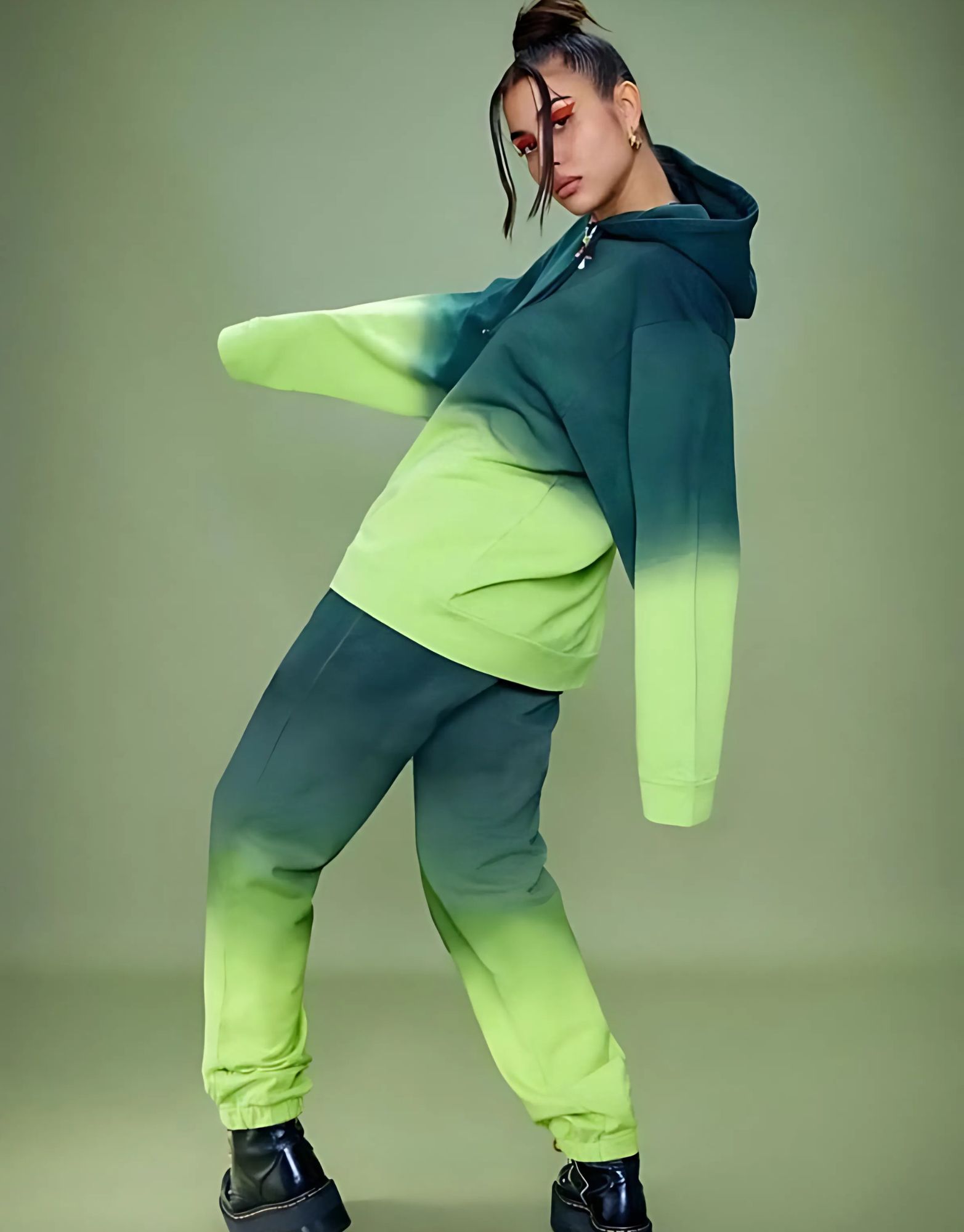
Tight silhouettes used to signal femininity. Today, they signal limitation. Gen Z girls are trading in skinny jeans for wide-leg cargos, ditching bodycon dresses for boxy blazers, and throwing on clothes that speak more to attitude than aesthetics.

There’s something undeniably confident about the way they wear volume. It’s not about hiding their bodies. It’s about dressing like they own the room. Oversized fits aren’t a compromise, they’re the statement. It’s not sloppy. It’s calculated. Every slouchy hoodie, every loosely tucked-in tee says, “I’m not here to impress you. I’m here for me.”

Genderless by Default

This movement doesn’t need a manifesto. It’s written in every outfit. A girl walks past in a loose vest, tailored slacks, and sneakers. Nothing screams “feminine,” yet she carries more presence than any polished outfit could offer.

Androgyny, in this context, isn’t about looking like a boy. It’s about stepping outside the gender binary entirely. Gen Z girls are doing it with confidence, layering masculine and feminine energy into a style that doesn’t beg for validation.

Designers are following the vibe. Brands like Telfar and COS are producing genderless silhouettes that work on anyone, regardless of identity. Streetwear labels are dropping collections that blur lines with ease. The message is clear: fashion belongs to whoever wears it like they mean it.

More Than Just Aesthetic

For many, this shift runs deeper than personal taste. In places where societal norms are still rigid, showing up in androgynous fashion is a quiet act of resistance. A girl in a suit or a buzz cut is making a statement before she even speaks.

This isn’t about shock. It’s about autonomy. It’s a way to push back against being told what “pretty” should look like. And it’s happening globally, from thrift-heavy looks in Lagos to street-style takes in Seoul and Copenhagen.

What’s consistent is the mindset. Gen Z girls aren’t dressing for tradition. They’re dressing to feel free.

TikTok as a Style Lab

If fashion is evolving, TikTok is its lab. It’s where the ideas form, evolve, and go viral. Gen Z girls post their fits in real time, oversized jackets, baggy jeans, tucked tees, minimalist sneakers and build momentum with every swipe.

What makes it stick isn’t the polish. It’s the raw creativity. No gatekeeping, no rules. Just style that feels real. You see fit checks that combine streetwear with vintage dad-core. You get tutorials on how to turn a men’s XL shirt into a signature piece.

These girls aren’t waiting for fashion to tell them what to do. They’re leading the way.

Where It’s Going

The androgyny boom isn’t about stripping femininity of its charm. It’s about giving girls more room to define it on their own terms. Some days it’s tomboy, some days it’s tailored, some days it’s a clash of everything. That’s the point.

In a culture that keeps trying to simplify identity, Gen Z girls are complicating it with style, with confidence, and with complete disregard for the rules.

They’re not borrowing from the boys. They’ve taken what they want, made it better, and moved on.

And honestly? The rest of the world’s trying to catch up.
Share:

Trending

Raising Women Magazine Issue 38 – March 2026

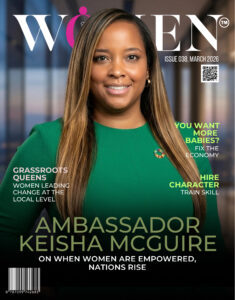
As we approach International Women’s Day, we lean into this year’s agenda: Give to Gain. It is a simple phrase, yet profoundly strategic. Progress for women has never been sustained by visibility alone. It has been built through investment, mentorship, solidarity, and the deliberate transfer of opportunity.

On our cover, Ambassador Keisha McGuire represents this principle in motion. Her leadership in global diplomacy reminds us that when women give knowledge, courage, and access, they do not diminish their power. They multiply it.

This edition examines what it truly means to give: time, resources, platforms, protection, policy influence. And what we gain in return: stronger institutions, fairer systems, and a generation of women who enter rooms already prepared.

International Women’s Day is not a performance. It is a responsibility.

When women give intentionally, we all gain collectively.

The question is not whether we will celebrate. The question is how we will contribute.

Raising Women Magazine Issue 38 – March 2026

As we approach International Women’s Day, we lean into this year’s agenda: Give to Gain. It is a simple phrase, yet profoundly strategic. Progress for women has never been sustained by visibility alone. It has been built through investment, mentorship, solidarity, and the deliberate transfer of opportunity.

On our cover, Ambassador Keisha McGuire represents this principle in motion. Her leadership in global diplomacy reminds us that when women give knowledge, courage, and access, they do not diminish their power. They multiply it.

This edition examines what it truly means to give: time, resources, platforms, protection, policy influence. And what we gain in return: stronger institutions, fairer systems, and a generation of women who enter rooms already prepared.

International Women’s Day is not a performance. It is a responsibility.

When women give intentionally, we all gain collectively.

The question is not whether we will celebrate. The question is how we will contribute.

Your guide to IVF and egg freezing in Korea

Empowering your family planning journey with curated fertility treatments at lower costs. Get our guide for Korea’s leading clinics, pricing and service breakdown.

Recommended News

Raising Women Magazine Issue 38 – March 2026

As we approach International Women’s Day, we lean into this year’s agenda: Give to Gain. It is a simple phrase, yet profoundly strategic. Progress for women has never been sustained by visibility alone. It has been built through investment, mentorship, solidarity, and the deliberate transfer of opportunity.

On our cover, Ambassador Keisha McGuire represents this principle in motion. Her leadership in global diplomacy reminds us that when women give knowledge, courage, and access, they do not diminish their power. They multiply it.

This edition examines what it truly means to give: time, resources, platforms, protection, policy influence. And what we gain in return: stronger institutions, fairer systems, and a generation of women who enter rooms already prepared.

International Women’s Day is not a performance. It is a responsibility.

When women give intentionally, we all gain collectively.

The question is not whether we will celebrate. The question is how we will contribute.

Raising Women Magazine Issue 38 – March 2026

As we approach International Women’s Day, we lean into this year’s agenda: Give to Gain. It is a simple phrase, yet profoundly strategic. Progress for women has never been sustained by visibility alone. It has been built through investment, mentorship, solidarity, and the deliberate transfer of opportunity.

On our cover, Ambassador Keisha McGuire represents this principle in motion. Her leadership in global diplomacy reminds us that when women give knowledge, courage, and access, they do not diminish their power. They multiply it.

This edition examines what it truly means to give: time, resources, platforms, protection, policy influence. And what we gain in return: stronger institutions, fairer systems, and a generation of women who enter rooms already prepared.

International Women’s Day is not a performance. It is a responsibility.

When women give intentionally, we all gain collectively.

The question is not whether we will celebrate. The question is how we will contribute.