best casino sites for Canadians top real money casinos for Canadians safe online casinos for Canadian players Canadian online casino rankings best mobile casino Canada

Spotlighting Remarkable Women and Girls

Codes at the Table: Convenience or Culinary Buzzkill?

By Tom Connelly

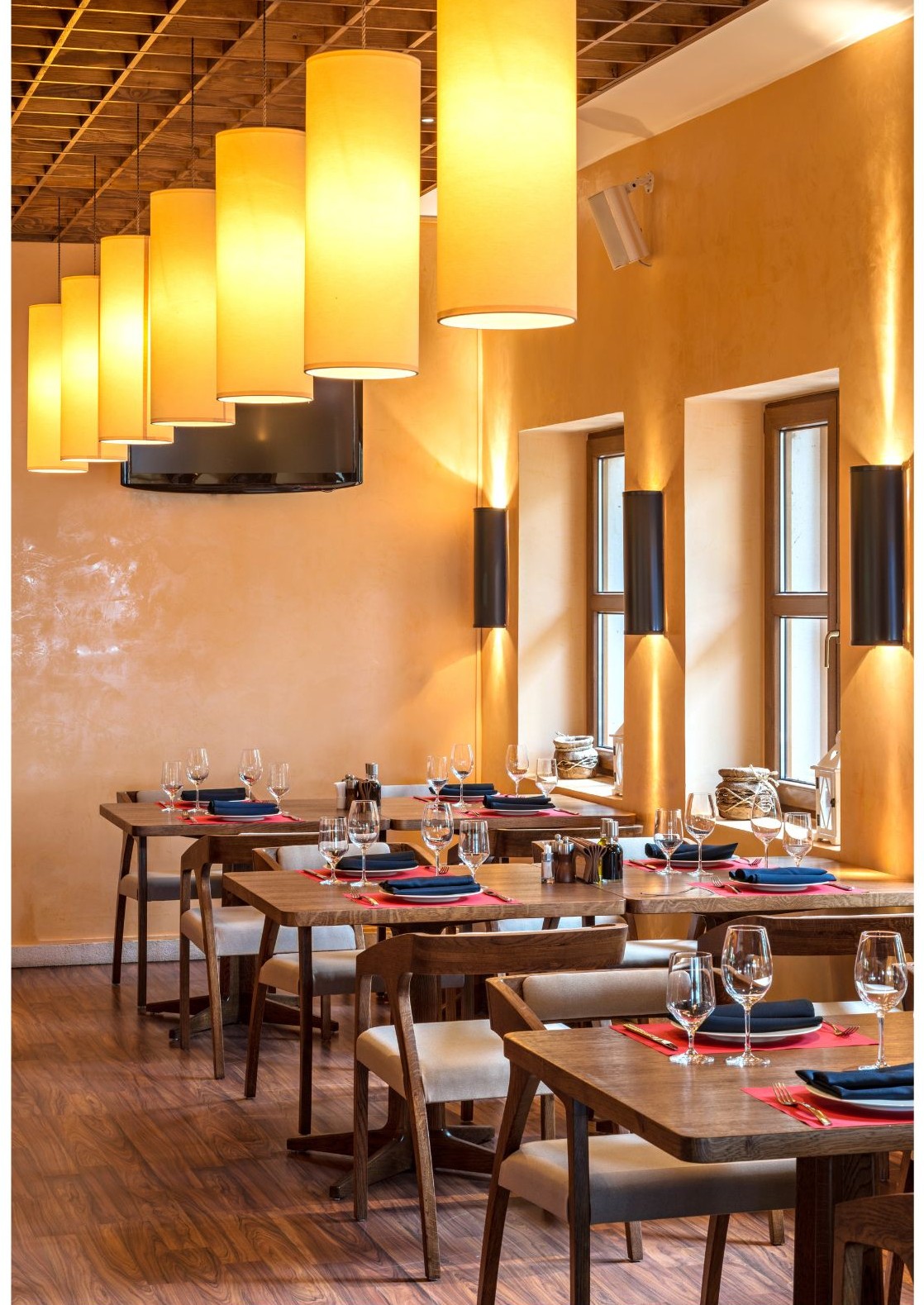
A few years ago, when you sat down at a restaurant, a friendly waiter would hand you a menu of something you could hold, read, and share with others at the table. Today, many restaurants ask you to scan a QR code instead. With a quick click on your phone, the menu pops up on your screen.

It may sound easy and modern, but not everyone is happy about it. Some love the change. Others feel like it takes away from the fun of going out to eat. So, are QR codes making dining better or worse?

Why Restaurants Use QR Codes

QR codes became popular during the COVID-19 pandemic. They helped restaurants stay safe by avoiding shared menus that many people touched. But even now, many restaurants still use them.

Why? Because they’re cheap and easy. Restaurants don’t have to print menus or worry about updating them. If something runs out in the kitchen, they can remove it from the online menu in seconds. If they want to change prices or add a new dish, it’s just a few clicks.

Some digital menus also show pictures, give information about ingredients, or even let customers place their orders and pay. This saves time for both the kitchen and the servers.

Also, for people who use phones often, it can feel quick and familiar. One scan, and the menu is right there.

Why Many Diners Feel Frustrated

Even with all the benefits, many people don’t like using QR code menus.

First, not everyone has a smartphone or wants to use one while eating. Older adults, people with vision problems, or those who aren’t comfortable with technology may struggle. They might feel left out or embarrassed asking for help.

Second, looking at a phone during a meal can feel cold. Dining is about enjoying food and talking with others. When everyone is staring at their screens, it’s easy to forget that you’re sharing a moment together. It’s not just a meal, it’s an experience.

Also, QR code menus can feel like extra work. Instead of asking the server about the menu or the day’s specials, customers have to figure it all out on their own. Some online menus are hard to read or confusing. That can be stressful, especially if you’re hungry and just want to order something tasty and fast.

What We’re Missing Without Paper Menus

A printed menu adds to the dining experience. It gives you something to touch and look through. You can pass it to a friend, point to your favorite dish, or ask the waiter about it.

Many people also feel more relaxed when they can hold a real menu. It’s easier to flip back and forth between sections and take your time choosing. A well-made menu can show off the restaurant’s style and personality in a way a phone screen just can’t.

Some diners say they feel rushed with QR menus. There’s no server guiding you, no small talk, and no special feeling. It can start to feel like you’re eating at a machine instead of being served by people who care.

Can There Be a Balance?

The problem isn’t technology itself, it’s how we use it.

Some restaurants are finding smart ways to blend both worlds. They offer printed menus but also place QR codes on the table for those who prefer them. Some use QR codes only for paying or checking drink specials, keeping the full food menu on paper.

Other restaurants are working on better digital menus that feel more welcoming, with photos, fun designs, and even stories about the dishes. The key is to give customers a choice and make sure everyone feels comfortable.

What Diners Really Want

At the end of the day, going out to eat is about more than just the food. It’s about how the experience makes you feel. A great meal should be warm, welcoming, and shared.

Some people like the speed of QR codes. Others miss the charm of a real menu. The best restaurants try to offer both and let customers decide what works for them.

Because when you sit at a table, you want more than a meal. You want connection, comfort, and care. And sometimes, that starts with something as simple as being handed a menu with a smile.

Share:

Trending

Raising Women Magazine Issue 045 – June 2026

There is a difference between living and merely functioning.
Somewhere between the notifications, deadlines, responsibilities, ambitions, and endless demands of modern life, many of us have become exceptionally good at keeping going. We show up. We deliver. We carry. We cope. Yet beneath the appearance of productivity, an important question remains: are we truly well?
In this issue of Raising Women Magazine, we explore wellness not as a trend, but as a deeper conversation about humanity, health, purpose, and presence.
Our cover feature introduces Dr. Heidi Beilis, a pioneering physician helping to shape the future of healthcare through artificial intelligence. Her work reminds us that innovation is at its best when it serves people, particularly women whose lives may be transformed by earlier diagnoses and better outcomes.
Elsewhere, we explore grief, ambition, beauty, leadership, healthspan, rest, and the invisible burdens many women carry. We ask difficult questions about what it means to thrive, not simply survive.
As I wrote in this issue’s Find Her Light column, sometimes the rest we need is not sleep. Sometimes it is space. Sometimes it is perspective. Sometimes it is permission.
May these pages offer all three.

Raising Women Magazine Issue 044 – May 2026

There is something deeply revealing about the way a society treats its children. Not just in policy or parenting, but in the stories it tells them, the spaces it creates for them, and the kind of world it quietly prepares them to inherit. In this Children’s Day edition, Raising Women Magazine turns its attention to childhood itself, not as a sentimental phase of life, but as the foundation upon which identity, confidence, memory, and humanity are built.

Our cover star, Ms. Rachel, represents a refreshing reminder that gentleness still matters in an age of noise. Through patience, intentionality, and emotional safety, she has transformed songs and screen time into a global classroom for millions of children and families.

Across this issue, we explore the emotional architecture of childhood, from the girls who learn too early to shrink themselves, to the children quietly carrying adult burdens before they fully understand their own. We also interrogate modern parenting, digital culture, family, safety, and the futures young people are already shaping.

Because childhood is never just preparation for life.

In many ways, it is life itself.

The Family Tree Divide

What Women Are Given, and What They Build By Sipho Khumalo Two women walk into the same room. One is recognised before she speaks. The

Your guide to IVF and egg freezing in Korea

Empowering your family planning journey with curated fertility treatments at lower costs. Get our guide for Korea’s leading clinics, pricing and service breakdown.

Recommended News

Raising Women Magazine Issue 045 – June 2026

There is a difference between living and merely functioning.
Somewhere between the notifications, deadlines, responsibilities, ambitions, and endless demands of modern life, many of us have become exceptionally good at keeping going. We show up. We deliver. We carry. We cope. Yet beneath the appearance of productivity, an important question remains: are we truly well?
In this issue of Raising Women Magazine, we explore wellness not as a trend, but as a deeper conversation about humanity, health, purpose, and presence.
Our cover feature introduces Dr. Heidi Beilis, a pioneering physician helping to shape the future of healthcare through artificial intelligence. Her work reminds us that innovation is at its best when it serves people, particularly women whose lives may be transformed by earlier diagnoses and better outcomes.
Elsewhere, we explore grief, ambition, beauty, leadership, healthspan, rest, and the invisible burdens many women carry. We ask difficult questions about what it means to thrive, not simply survive.
As I wrote in this issue’s Find Her Light column, sometimes the rest we need is not sleep. Sometimes it is space. Sometimes it is perspective. Sometimes it is permission.
May these pages offer all three.

Raising Women Magazine Issue 044 – May 2026

There is something deeply revealing about the way a society treats its children. Not just in policy or parenting, but in the stories it tells them, the spaces it creates for them, and the kind of world it quietly prepares them to inherit. In this Children’s Day edition, Raising Women Magazine turns its attention to childhood itself, not as a sentimental phase of life, but as the foundation upon which identity, confidence, memory, and humanity are built.

Our cover star, Ms. Rachel, represents a refreshing reminder that gentleness still matters in an age of noise. Through patience, intentionality, and emotional safety, she has transformed songs and screen time into a global classroom for millions of children and families.

Across this issue, we explore the emotional architecture of childhood, from the girls who learn too early to shrink themselves, to the children quietly carrying adult burdens before they fully understand their own. We also interrogate modern parenting, digital culture, family, safety, and the futures young people are already shaping.

Because childhood is never just preparation for life.

In many ways, it is life itself.

The Family Tree Divide

What Women Are Given, and What They Build By Sipho Khumalo Two women walk into the same room. One is

First, Believe

By The Lulu They said the sky’s the limit But what if you’re still underground, still digging through the dirt

RudolphCasinos