By Daniel Agusi
Picture this.
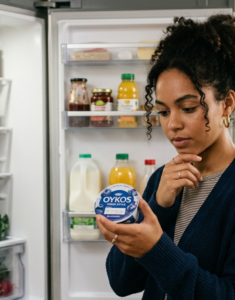
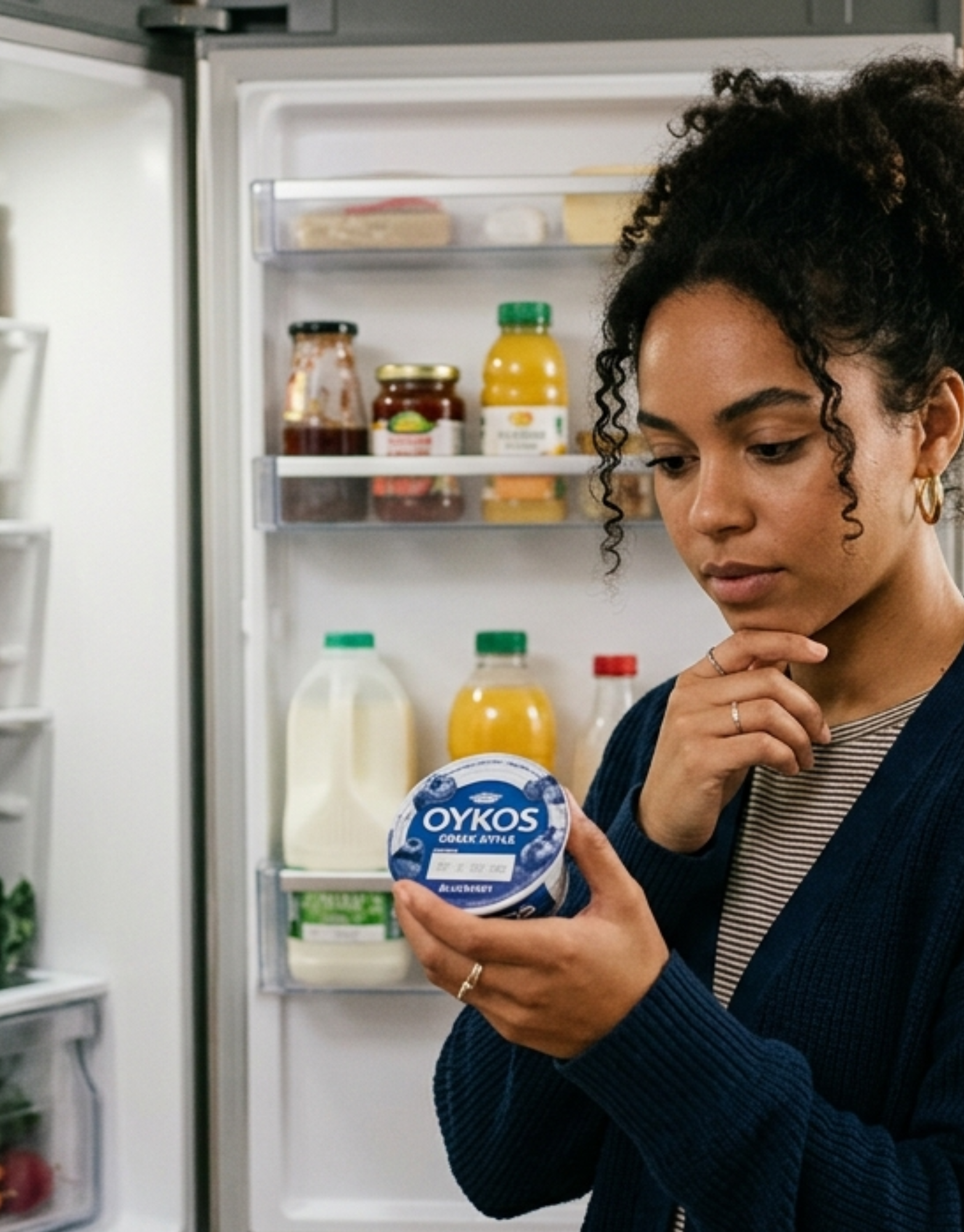
You open your fridge, reach for a tub of yoghurt, glance at the label and freeze. The date printed on the lid says yesterday. A small moment of panic follows. You sniff it suspiciously, poke it with a spoon, and then, with a dramatic sigh, toss it into the bin.
But here is the question. Was the yoghurt actually bad… or did the date simply scare you into wasting perfectly good food?
Welcome to the surprisingly confusing world of food expiry labels, where many products are thrown away long before they truly need to be.
The Date That Terrifies Everyone
Most of us treat the date printed on food packaging like a ticking time bomb. Once the day passes, the food is suddenly seen as dangerous, almost as if it transforms overnight into something inedible.
In reality, that is often not how it works. Many of the dates printed on food are not strict safety warnings. They are quality guidelines provided by manufacturers to indicate when a product will taste or look its best.
In other words, the date often marks the moment when the food may start to lose a little freshness, not the moment it becomes a science experiment.
The Three Dates That Confuse Everyone
To make things even more interesting, not all food labels mean the same thing.
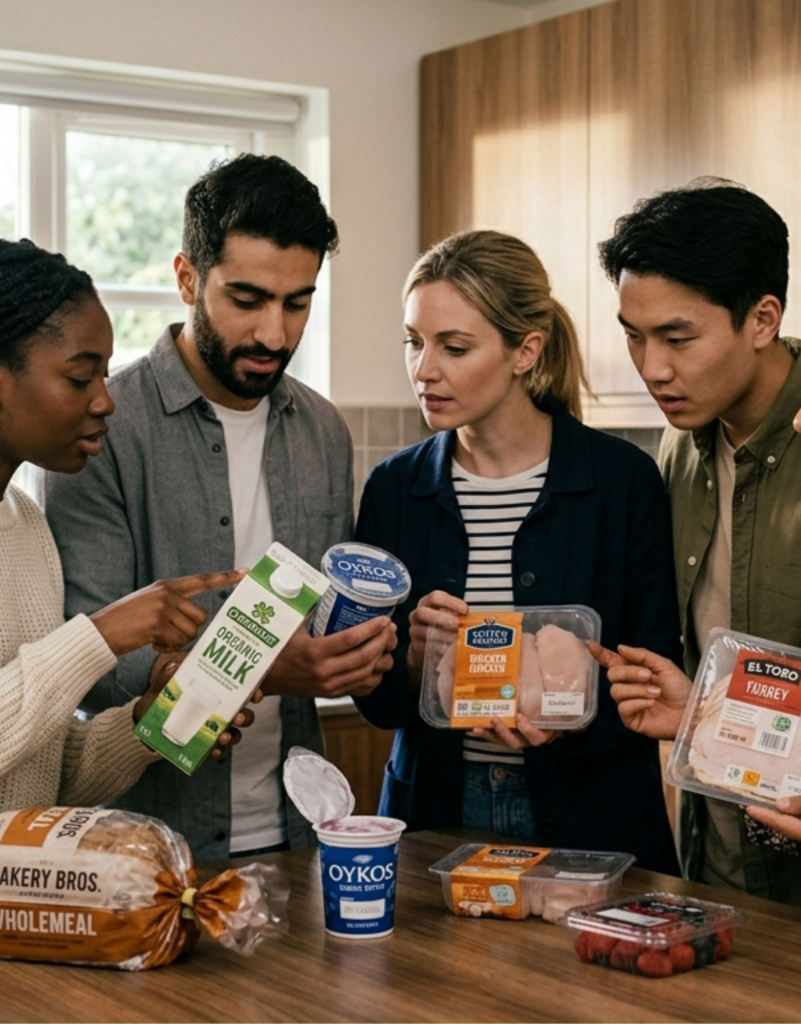
The first and most common label is “Best Before.” Despite how dramatic it sounds, “best before” does not mean “danger after.” It simply means the manufacturer believes the product will be at its best quality before that date. Afterward, it may lose some flavour, crunch or colour, but it can still be perfectly edible.
That box of cereal in your kitchen that passed its best before date last week? It might just be slightly less crispy, not hazardous to your existence.
The second label is “Sell By.” This one is actually meant for stores, not consumers. It tells retailers how long they should display a product on shelves before rotating it out or discounting it. It helps supermarkets manage their stock and keep shelves filled with fresher items.
So when you see a sell by date, it is really more about inventory management than food safety.
The third label is the one you should take seriously: “Use By.” This date is usually placed on highly perishable foods such as fresh meat, fish and ready-to-eat meals. In these cases, the date reflects food safety concerns, and eating the product long after this point may carry health risks.
So yes, some dates matter a lot. Others are more like polite suggestions.
Why So Much Perfectly Good Food Gets Thrown Away
The confusion around food dates contributes to a surprisingly large global problem: food waste.
According to the Food and Agriculture Organization of the United Nations, roughly one-third of all food produced globally is wasted each year. A significant portion of that waste happens in households when people throw away food simply because the printed date has passed.
In many cases, the food is still completely safe to eat. Milk, for example, often remains drinkable for several days after its best before date if it has been stored properly. Dry foods like pasta, rice, chocolate and canned goods can last months or even years beyond their printed date without becoming unsafe.
Yet the moment we see a number on a label, our brains tend to go into alarm mode.
So Next Time…
The next time you open your fridge and spot a date that has just passed, pause before staging a dramatic food funeral.
Your yoghurt, bread or chocolate bar might still be perfectly happy living another day.
And who knows? Your bin might thank you for it.