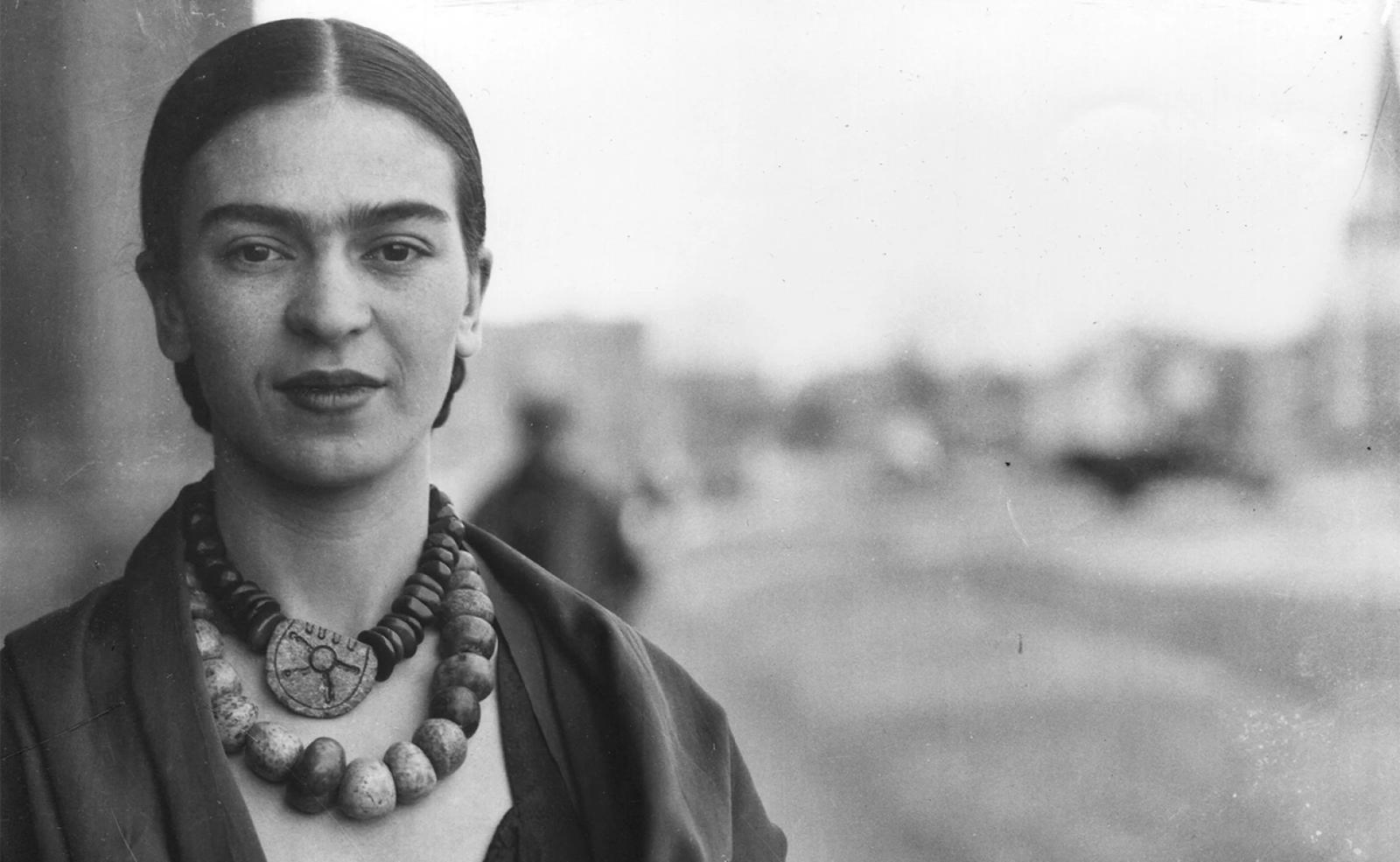
Frida Kahlo is one of the most celebrated artists of the 20th century, known for her surreal, deeply personal paintings that often depict her physical and emotional pain. While her vibrant use of colour and bold self-portraits are instantly recognisable, Kahlo’s work is also a profound exploration of themes like fertility, motherhood, and womanhood. For many women today, particularly those grappling with issues around fertility, Kahlo’s art provides a powerful reflection of the complex, often painful experiences of being a woman.
Frida’s Struggle for Motherhood
Kahlo’s desire for motherhood and her struggle with fertility are central themes in much of her work. After a horrific bus accident in 1925, Kahlo suffered severe injuries that impacted her life. She longed to become a mother, but multiple miscarriages and medical complications left her unable to fulfil this dream.
One of the most poignant pieces that reflects her sorrow around fertility is Henry Ford Hospital (1932). In this raw, unflinching painting, Kahlo lies naked on a hospital bed after a miscarriage, with six symbols connected to her body by red, vein-like cords. These include a foetus, a snail (symbolising the agonizingly long time it took for Kahlo to get pregnant), a pelvic bone, and a machine—all signifying the emotional and physical trauma she endured. The desolate backdrop of an industrial city contrasts sharply with the intense intimacy of her personal suffering. Through this piece, Kahlo captures the isolation and heartbreak many women feel when faced with fertility struggles.
According to a study by the University of Copenhagen, around 10-15% of pregnancies end in miscarriage globally, making Kahlo’s depictions of her own loss resonate with millions of women today who have experienced similar grief.
Motherhood and the Female Body
In My Birth (1932), Kahlo paints herself emerging from her mother’s body during childbirth. What makes this piece particularly arresting is its dual narrative: it’s both a reflection on her own birth and a symbol of the mother-daughter relationship. At the time that Kahlo painted this work, her mother had just died so it seems reasonable to assume that the shrouded funerary figure is her mother while the baby is Kahlo herself.
However, Kahlo had also just lost her own child and has said that she is the covered mother figure. The Virgin of Sorrows at the head of the bed adds another layer, highlighting the pain and sacrifice tied to motherhood, both literal and metaphorical. Kahlo’s exploration of childbirth, reproductive loss, and the female body is still highly relevant today. As the conversation around fertility becomes more open, women are finding new ways to share their experiences of miscarriage, IVF treatments, and the pressures of becoming a mother. Kahlo’s work, created nearly a century ago, speaks directly to the complexities that women continue to navigate.
“My Birth” is a haunting painting in which both the birth giver and the birthed child seem dead. Hence, the picture is not used here.
The Duality of Womanhood: Strength and Vulnerability
Kahlo’s art is not just about her personal struggles with fertility and motherhood. It is a broader commentary on the duality of womanhood itself. Women, in her work, are shown as both fragile and indomitable, vulnerable and powerful.
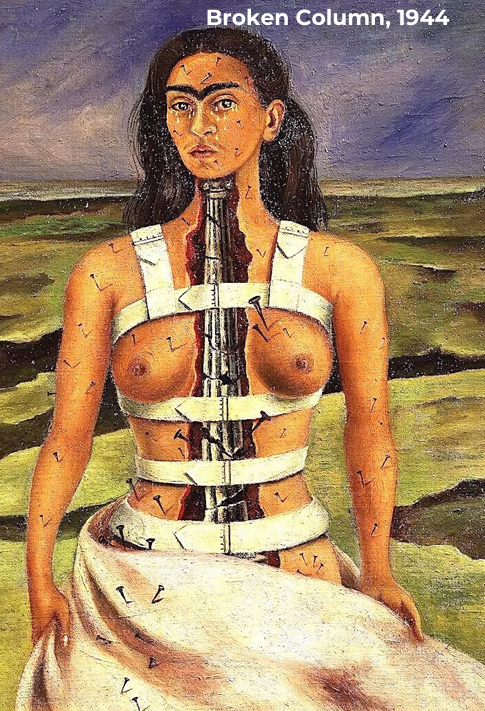
In The Broken Column (1944), Kahlo paints herself split open, her spine replaced by a crumbling column. This image of a physically damaged yet mentally strong woman resonates with the idea that women, particularly those grappling with reproductive challenges, often endure profound physical pain while maintaining emotional resilience. Kahlo’s depiction of herself with tears streaming down her face but standing tall despite the destruction within her body encapsulates the lived experience of many women who face the silent, invisible burden of fertility struggles.
While the broken body might seem like a symbol of weakness, Kahlo’s gaze is direct, almost defiant. The image speaks to the strength required to endure the trials of womanhood, fertility, and beyond.
Feminism and the Unapologetic Expression of Womanhood
Frida Kahlo’s legacy also intertwines with the feminist movement, particularly in how she unapologetically expressed her womanhood. Her raw honesty in confronting the physical and emotional aspects of being a woman set her apart from her contemporaries. Rather than presenting an idealised or romanticised version of womanhood, Kahlo embraced the messiness, the pain, and the contradictions that come with it.
Her work challenges the male-dominated art world’s historical tendency to idealise the female form. Instead of passive muses, Kahlo’s female figures are active, conscious subjects of their own pain and pleasure. This unapologetic expression has influenced generations of women to own their bodies, their experiences, and their stories, especially those related to fertility and motherhood.
A Lasting Legacy for Women Today
According to research by the Museum of Modern Art, Frida Kahlo is now among the most exhibited female artists worldwide, reflecting how her feminist voice continues to resonate with modern audiences. Frida Kahlo’s body of work offers a raw, truthful lens on fertility, motherhood, and the lived experiences of women. Her portrayal of the female body as both a site of strength and suffering continues to inspire women facing their own reproductive challenges. Whether it’s her personal sorrow over miscarriages or her exploration of the mother-daughter bond, Kahlo’s art speaks to the complexities of womanhood in a way that is both deeply personal and universally relatable.
Kahlo’s fearless approach to her art makes her a timeless icon, especially for women navigating the emotional landscapes of fertility and motherhood today. Through her work, Kahlo continues to remind us of the beauty, strength, and power of the female experience, scars and all