best casino sites for Canadians top real money casinos for Canadians safe online casinos for Canadian players Canadian online casino rankings best mobile casino Canada

Spotlighting Remarkable Women and Girls

Growing Up Too Soon Understanding Early Puberty in Girls

By Ese Ogaga

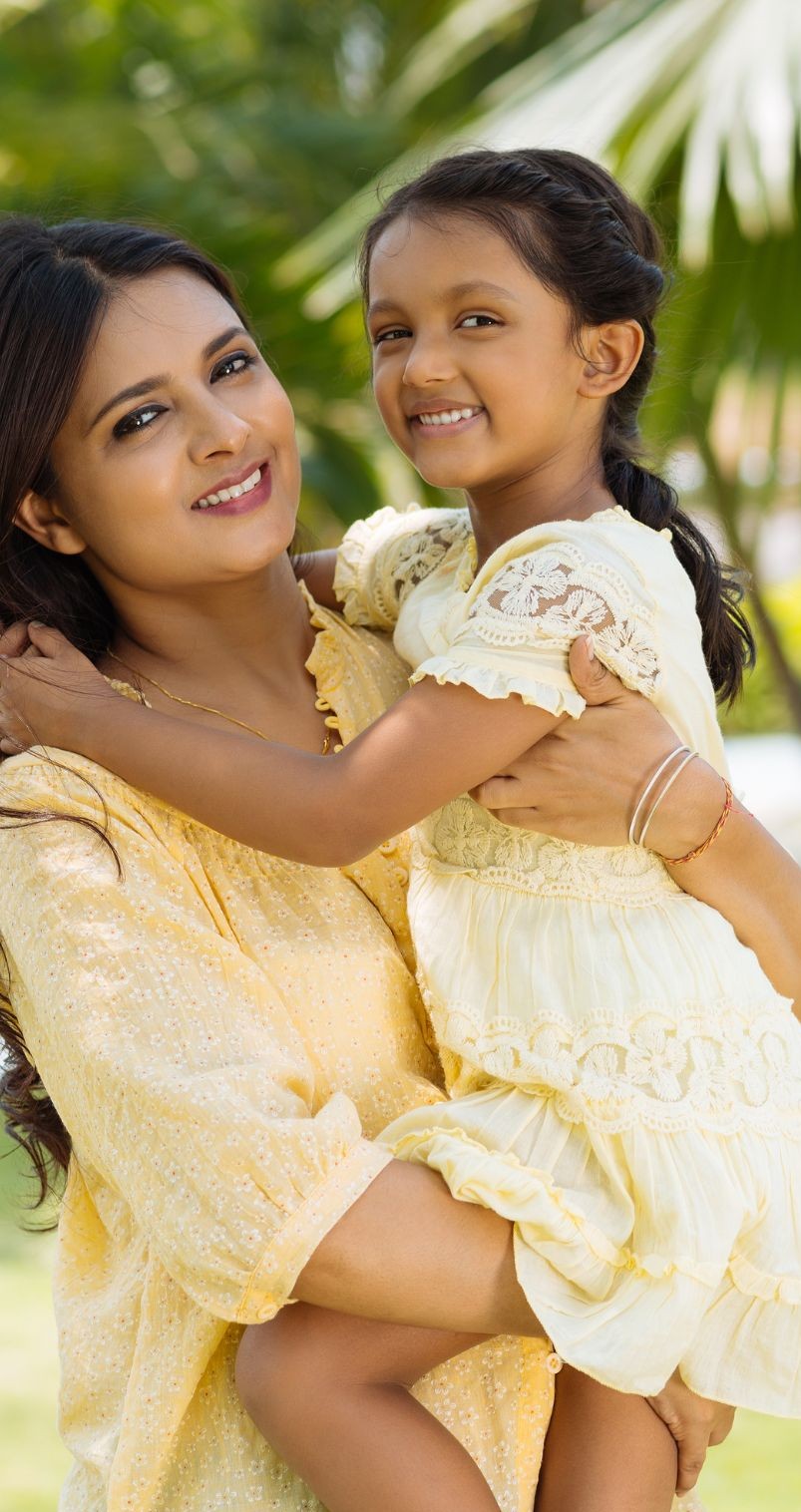
Have you noticed how it feels like our daughters are growing up faster than we did? One moment they are playing with dolls, and the next, you are spotting chan-ges in their bodies you never expected at such a young age. This reality has become more common with many girls entering puberty earlier than ever before, and as mothers, aunties, or caregivers, it can be confusing and even worrying.

The Rising Prevalence of Early Puberty

Early puberty is no longer rare. Around the world, researchers have noticed a steady increase in the number of girls developing earlier than the traditional age of 10–14 years. In some studies, 1 in 5 girls now shows signs of puberty before the age of 9. This means more families are navigating big physical and emotional changes far sooner than expected.

What Is Early Puberty?

Puberty is the natural process where a child’s body begins to mature into an adult’s. With early puberty, these changes can begin as young as 7, 8, or 9 years old. Early breast development, underarm or pubic hair, sudden growth spurts, mood swings, and for some girls, the arrival of their first period, can all happen years earlier than their peers.

Early Periods: The Biggest Shift

Perhaps the most challenging part of early puberty is when a girl starts menstruation years before the expected age. Imagine an 8‑year‑old still enjoying cartoons and playground games suddenly having to carry pads, manage cramps, and face the monthly reality of bleeding. This can be frightening and challenging experience for both the child and family.

Key Factors Contributing to Early Puberty

Research shows that several interconnected factors may be driving this trend:

  • Nutrition & weight gain: Higher body fat can trigger hormonal changes as well as diets rich in processed foods and sugary drinks.
  • Environmental chemicals: Hormone like substances called endocrine disruptors (found in plastics, cosmetics, pesticides, and some packaged foods) can mimic hormones and disturb natural development for a child.
  • Stress & psychosocial factors: Exposure to high stress at home or school may push the body into early maturity thus triggering an early onset of puberty.
  • Genetics: Family history still plays a strong role, but genetics alone can’t explain the sharp rise we see today.

Why Early Puberty Matters

At first, early development may seem like just an accelerated timeline. But research shows it can carry long-term challenges such as;

  • Health risks: Early puberty has been linked to a higher risk of medical conditions like obesity, diabetes, and even breast or ovarian cancers later in life.
  • Emotional strain: Girls may feel “different” and isolated from peers.
  • Social vulnerability: Early maturity and development may attract attention beyond their emotional maturity level of the child.

Can It Be Prevented?

Not every case of early puberty can be prevented because genetics and biology still play their part but there are steps we can take to support healthier development:

1. Promote balanced nutrition

It is important to limit sugary snacks, processed foods, and fast foods especially during their developmental age. Encourage the consumption of whole grains, fresh fruits, vegetables, and healthy proteins.

2. Encourage physical activity

Children should be provided with opportunities to engage in active play like sports, dance etc as this helps regulate hormones and maintain healthy body weight.

3. Reduce exposure to hormone disruptors

Avoid microwaving food in plastic containers, check cosmetic and hair product labels, water bottles should be BPA free and choose natural cleaning or skincare options when possible.

4. Protect mental well-being

A safe, loving, and low-stress home environment supports not just emotional growth but also hormonal balance.

5. Stay informed & consult professionals

If you notice signs of puberty before age 8 or very rapid changes like development of breast buds, discharge in panties etc, seek medical guidance. Early evaluation can make a huge difference.

Final Thoughts

Early pubertyespecially early periods can feel like childhood is being cut short. But it doesn’t have to be a crisis. By staying aware of the growing prevalence, understanding the key contributing factors, and taking small preventive steps at home, we can guide our daughters through this stage with confidence.

Remember: what matters most is not just managing the changes in their bodies, but nurturing their hearts, minds, and sense of security along the way. And mama, your calm reassurance will always be her strongest shield.
Share:

Trending

Raising Women Magazine Issue 045 – June 2026

There is a difference between living and merely functioning.
Somewhere between the notifications, deadlines, responsibilities, ambitions, and endless demands of modern life, many of us have become exceptionally good at keeping going. We show up. We deliver. We carry. We cope. Yet beneath the appearance of productivity, an important question remains: are we truly well?
In this issue of Raising Women Magazine, we explore wellness not as a trend, but as a deeper conversation about humanity, health, purpose, and presence.
Our cover feature introduces Dr. Heidi Beilis, a pioneering physician helping to shape the future of healthcare through artificial intelligence. Her work reminds us that innovation is at its best when it serves people, particularly women whose lives may be transformed by earlier diagnoses and better outcomes.
Elsewhere, we explore grief, ambition, beauty, leadership, healthspan, rest, and the invisible burdens many women carry. We ask difficult questions about what it means to thrive, not simply survive.
As I wrote in this issue’s Find Her Light column, sometimes the rest we need is not sleep. Sometimes it is space. Sometimes it is perspective. Sometimes it is permission.
May these pages offer all three.

Raising Women Magazine Issue 044 – May 2026

There is something deeply revealing about the way a society treats its children. Not just in policy or parenting, but in the stories it tells them, the spaces it creates for them, and the kind of world it quietly prepares them to inherit. In this Children’s Day edition, Raising Women Magazine turns its attention to childhood itself, not as a sentimental phase of life, but as the foundation upon which identity, confidence, memory, and humanity are built.

Our cover star, Ms. Rachel, represents a refreshing reminder that gentleness still matters in an age of noise. Through patience, intentionality, and emotional safety, she has transformed songs and screen time into a global classroom for millions of children and families.

Across this issue, we explore the emotional architecture of childhood, from the girls who learn too early to shrink themselves, to the children quietly carrying adult burdens before they fully understand their own. We also interrogate modern parenting, digital culture, family, safety, and the futures young people are already shaping.

Because childhood is never just preparation for life.

In many ways, it is life itself.

The Family Tree Divide

What Women Are Given, and What They Build By Sipho Khumalo Two women walk into the same room. One is recognised before she speaks. The

Your guide to IVF and egg freezing in Korea

Empowering your family planning journey with curated fertility treatments at lower costs. Get our guide for Korea’s leading clinics, pricing and service breakdown.

Recommended News

Raising Women Magazine Issue 045 – June 2026

There is a difference between living and merely functioning.
Somewhere between the notifications, deadlines, responsibilities, ambitions, and endless demands of modern life, many of us have become exceptionally good at keeping going. We show up. We deliver. We carry. We cope. Yet beneath the appearance of productivity, an important question remains: are we truly well?
In this issue of Raising Women Magazine, we explore wellness not as a trend, but as a deeper conversation about humanity, health, purpose, and presence.
Our cover feature introduces Dr. Heidi Beilis, a pioneering physician helping to shape the future of healthcare through artificial intelligence. Her work reminds us that innovation is at its best when it serves people, particularly women whose lives may be transformed by earlier diagnoses and better outcomes.
Elsewhere, we explore grief, ambition, beauty, leadership, healthspan, rest, and the invisible burdens many women carry. We ask difficult questions about what it means to thrive, not simply survive.
As I wrote in this issue’s Find Her Light column, sometimes the rest we need is not sleep. Sometimes it is space. Sometimes it is perspective. Sometimes it is permission.
May these pages offer all three.

Raising Women Magazine Issue 044 – May 2026

There is something deeply revealing about the way a society treats its children. Not just in policy or parenting, but in the stories it tells them, the spaces it creates for them, and the kind of world it quietly prepares them to inherit. In this Children’s Day edition, Raising Women Magazine turns its attention to childhood itself, not as a sentimental phase of life, but as the foundation upon which identity, confidence, memory, and humanity are built.

Our cover star, Ms. Rachel, represents a refreshing reminder that gentleness still matters in an age of noise. Through patience, intentionality, and emotional safety, she has transformed songs and screen time into a global classroom for millions of children and families.

Across this issue, we explore the emotional architecture of childhood, from the girls who learn too early to shrink themselves, to the children quietly carrying adult burdens before they fully understand their own. We also interrogate modern parenting, digital culture, family, safety, and the futures young people are already shaping.

Because childhood is never just preparation for life.

In many ways, it is life itself.

The Family Tree Divide

What Women Are Given, and What They Build By Sipho Khumalo Two women walk into the same room. One is

First, Believe

By The Lulu They said the sky’s the limit But what if you’re still underground, still digging through the dirt

RudolphCasinos