By Emmanuella Abraham
We spend an average of 90% of our time indoors (65% at home), so the walls around us profoundly affect our mood and health. Modern designers and psychologists emphasize that interiors are not just decoration, they’re dynamic environments that shape how we feel and behave. As one design report puts it, architects and designers are now creating spaces that address the well-being needs of occupants, from lighting and color to furniture and layout to help us escape everyday stress.
This shift is rooted in a powerful idea: our built environments can support a better quality of life for everyone. In fact, the Council for Interior Design Accreditation observes that, in today’s world, “it is our responsibility to design environments that support (humanity’s) quality of life for all”. Its experts even say the highest aim of interior design is “to create environments that strengthen the connection between people and their world and foster a true sense of belonging for everyone”.
Designers often talk about “wellness architecture” – choosing materials, colors and layouts specifically to optimize calm and health. Environmental psychology shows this makes sense: studies find people have strong psychological responses to their indoor surroundings. For example, a stark, empty lobby can trigger anxiety, while a welcoming room with soothing tones and soft lighting can instantly feel comforting]. Even simple elements like natural light, plants and warm colors can dramatically lift our mood. Research cited by design trend forecasters shows that interiors evoking nature can reduce stress, lower blood pressure, and slow our heart rate helping us feel calmer and more relaxed. In other words, a well-designed office or home is not just pretty, it can improve productivity, ease anxiety, and boost well-being.
Designers who put people first know that every detail counts. Interior architect Ilse Crawford puts it bluntly: “All our projects start with a strategy… prioritizing people, putting the human experience at the beginning of the design process”. Studio ilse’s work shows that instead of chasing a trendy look, they ask, “What feelings do we want this space to evoke?” and let empathy guide their choices. For example, when remodeling the Anna Freud Centre (a London mental health clinic), Crawford’s team talked to families and learned they wanted “something solid, familiar, and lasting.” So the design team created a warm, reassuring interior with soft textures and gentle lighting, rather than bright colors, putting comfort over flashiness. “We always prioritize the experience over the way something looks,” Crawford notes. The result: a space that feels safe and supportive, not just stylish.
It’s not just architects saying this. Interior designers at a recent global summit talked about simple but powerful ideas. One American designer described how hospitals have started offering virtual tours of treatment centers, just like hotels do for guests. By letting patients know what to expect, the spaces feel less frightening, and people feel more at ease. Designers even renamed exam rooms with friendlier terms, changing the vibe from “problem-focused” to “solution-focused” – a tweak that can significantly reduce patient anxiety. These examples remind us that small design choices can have big human impact.
Human-centered design puts people’s needs – physical, emotional and cognitive at the core of every space. Rather than prioritizing style alone, a human-centric interior is intuitive, flexible and welcoming to all. In practice this means accessibility and choice: wide doorways without thresholds, varied seating heights, good lighting options and clear signage so no one is left out. Designers often create sensory options, for example, offering both scented and scent-free zones because as one expert put it, “We’re sensory beings… If you’re designing for neurodivergent individuals, you’re designing for everyone”. In other words, features that help people with sensory sensitivities (like quiet corners or dimmable lights) actually improve the experience for everyone. Universal design elements like ramps instead of steps, lever handles instead of knobs, intuitive layouts ensure grandparents, children or wheelchair users can use a space independently.
People in these design discussions emphasize choice and agency. Today’s designers “provide choices for people to experience the lifestyle they have created for themselves,” one said. For instance, an office might feature modular furniture and communal “break-out” areas so coworkers can rearrange the space as they wish, encouraging creativity and collaboration. Another designer explained how a luxury care home was rethought by making the dining room more family-style: servers dish out smaller, individual portions because research shows people with dementia find a personal plate less overwhelming than a buffet. They also noted practical tweaks such as widening doors beyond ADA requirements to fit more wheelchair types, rounding sharp corners for safety, and even replacing expensive materials with smart substitutes (like painted murals instead of costly wallpaper) to make welcoming design affordable at all budget levels. As one leader in the field pointed out, “There’s no reason a 3-star experience is not as elevated as a 5-star experience… all of the same (design) principles apply”. In sum, inclusive interior design means every space works for everybody, a goal that designers everywhere are embracing.
On the environmental side, “interiors with a conscience” means using sustainable materials and practices. Many designers now choose natural, recycled or locally sourced materials and low-VOC finishes to reduce health risks and carbon footprint. For example, reclaimed wood or bamboo give warmth without depleting old-growth forests. Passive design strategies like maximizing daylight with big windows and installing operable skylights or vents, cut the need for electric lights and air conditioning. The trend is so pronounced that one industry report simply states: “Concerns about the environment mean that interiors with a conscience are on the rise. Choose energy-efficient materials, buy local and aim to reuse furniture and accessories wherever possible.”. In practice, this might look like upcycling an old dining table instead of buying new, placing low-maintenance houseplants that clean the air, or using LED lighting and smart thermostats to save energy. These decisions not only protect the planet but also create healthier spaces: natural fibers and ample fresh air can reduce allergies and stress.
Interior design also has a growing social mission. Designers are turning their talents toward global challenges. They’re tackling affordable housing (using clever space-planning and multifunctional furniture to make small homes livable) and even disaster relief (designing quick-assembly shelters from lightweight, recycled modules). In community centers or co-housing projects, thoughtful interiors can encourage social connection: think shared kitchens that invite casual gatherings, or libraries with varied seating for both collaboration and quiet study. Such places foster belonging, especially in diverse or rapidly growing neighborhoods. As one article puts it, designers are promoting “spaces that promote inclusivity, functionality and community engagement” to address social needs.
Design can even bring dignity to spaces we rarely think about. Take the example of Refettorio Felix, a London soup kitchen redesigned by Ilse Crawford (of Studio ilse). As Crawford says, the brief was “to bring dignity around the table; to bring beauty into a social sector”. The result was a transformation from a bare charity hall into a warm, wood-lined dining room with a soulful atmosphere, the kind of space where anyone would feel welcome. (Before-and-after photos of the project show how much a bit of color, natural materials and thoughtful lighting can change the mood.) Many similar projects worldwide bring art, plants and human-scale touches to clinics, shelters or community halls that otherwise might feel sterile or neglected. Even subtle changes like colorful murals in a clinic or more comfortable chairs in a waiting room can signal to visitors that they matter.
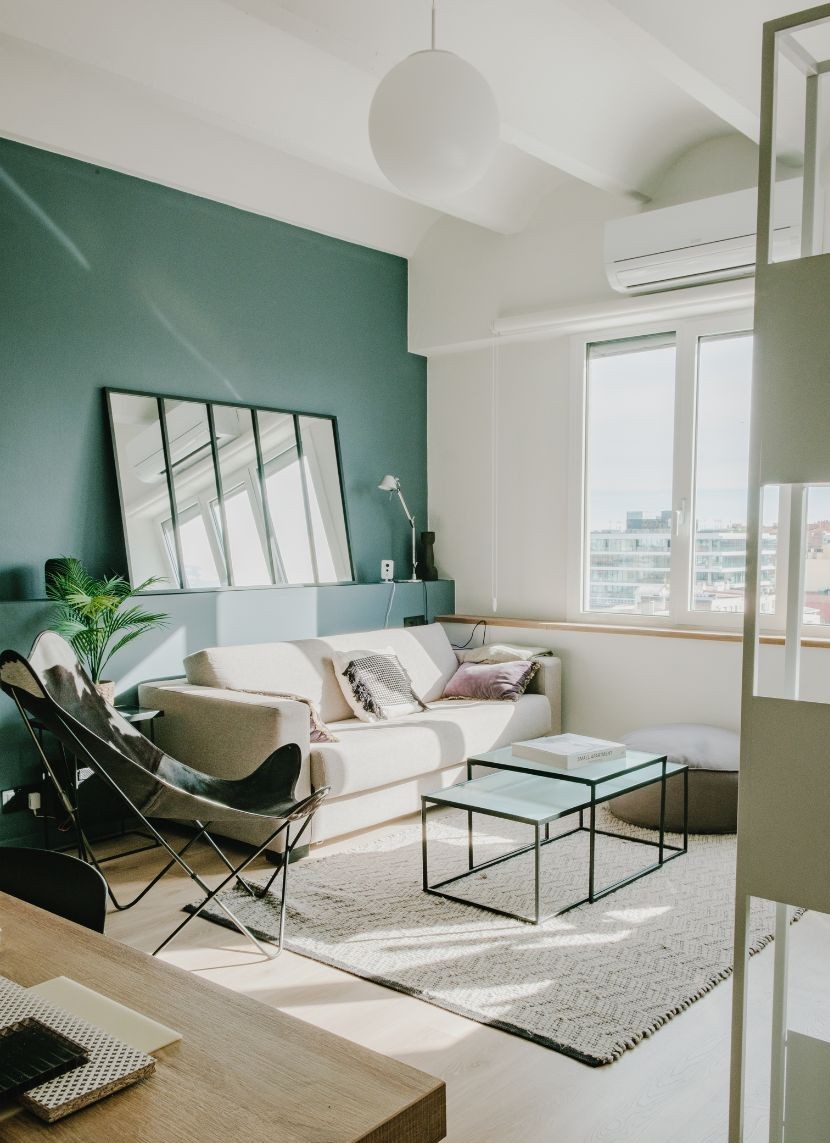
In practice, adding conscience to your own space can start small. Listen to your reactions: notice how you feel in each room. If a corner makes you tense, try adding a lamp or plant to soften it. Introduce a few natural elements like a small indoor herb garden or a vase of fresh flowers, research shows those literally help to calm nerves. Tune your lighting: brighter, cooler light for focused tasks; warm, dim light for evenings. Wherever possible, keep things sustainable, use a filtered water jug instead of plastic bottles, choose a rug made from natural fibers, or refurbish a piece of furniture rather than discarding it. Think about who uses your space too. Can a toddler easily climb onto the sofa? Can an elder reach the light switch or sink? Simple fixes like lever handles, no-slip mats, or a few cushions at different heights can extend comfort to more people. And don’t forget color and texture: greens and blues tend to soothe, while yellows and oranges can energize. A well-chosen art print or comfortable pillow might seem like a small detail, but that touch of personality goes a long way toward making a space feel loved and lived-in.
Ultimately, design with a conscience is empathetic design. It’s about asking, “How will this space make someone feel?” at every step. As one designer put it, the goal is “to create environments that are authentic, deeply supportive, and nourishing… environments that truly support our minds and bodies and nourish our souls. By focusing on human needs, physical comfort, emotional uplift, social connection and respect for the planet, interior design can serve humanity in profound ways.
A sofa or a light fixture can become a statement of care: a part of a space that not only looks good, but also does good for the people who live, work and heal within it.