By Ikupolusi Ariyike
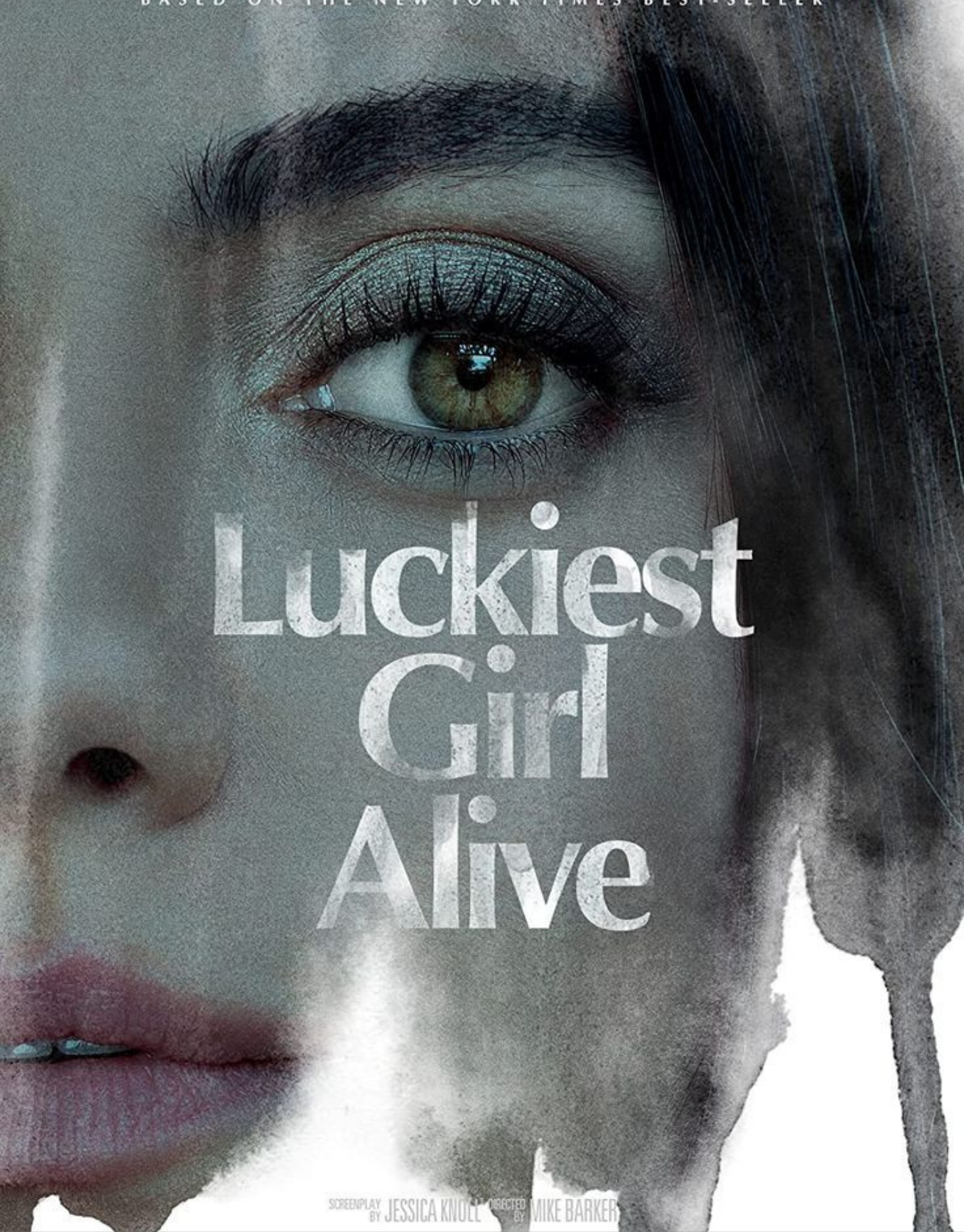
Luckiest Girl Alive (2022), adapted from Jessica Knoll’s bestselling novel, is a glossy psychological thriller that wears the confidence of its title like armour only to slowly crack it open and reveal something far more uncomfortable underneath.
The film follows Ani FaNelli (played with sharp intensity by Mila Kunis), a successful New York magazine editor who appears to have achieved everything she once dreamed of: wealth, status, and a handsome fiancé from an elite family. Yet from the opening scenes, it’s clear that Ani’s polished life is a performance. As the story moves between her present-day world and flashbacks to her teenage years at an elite prep school, the film exposes the trauma that shaped her ambition and emotional detachment.
As an adaptation, Luckiest Girl Alive stays largely faithful to the novel’s central themes, particularly its examination of female rage, victimhood, and the pressure to appear “fine” in the aftermath of violence. While some of the book’s internal monologue and nuance are inevitably lost, the film compensates with a strong visual language and a tense, sometimes suffocating atmosphere. Director Mike Barker leans into sharp contrasts: pristine Manhattan apartments versus chaotic memories, designer clothing versus raw emotional scars.
Mila Kunis delivers one of her most serious performances to date. She captures Ani’s prickly defensiveness and simmering anger, even when the script occasionally rushes through emotional beats that the novel allowed to breathe. The supporting cast is effective, though certain characters feel underdeveloped compared to their literary counterparts, one of the adaptation’s more noticeable shortcomings.
Where the film truly succeeds is in its refusal to offer easy catharsis. Luckiest Girl Alive does not frame healing as neat or inspirational; instead, it presents it as messy, painful, and deeply personal. At times, the pacing falters, and the tonal shifts can feel abrupt, but the film’s core message remains potent: survival does not look the same for everyone, and being “lucky” can be a myth we cling to for self-preservation.
Where the film truly succeeds is in its refusal to offer easy catharsis. Luckiest Girl Alive does not frame healing as neat or inspirational; instead, it presents it as messy, painful, and deeply personal. At times, the pacing falters, and the tonal shifts can feel abrupt, but the film’s core message remains potent: survival does not look the same for everyone, and being “lucky” can be a myth we cling to for self-preservation. This exploration of personal struggle and the illusion of luck resonates with the ways people seek control in their lives. Whether through hobbies or other leisure activities, individuals often look for escapes that momentarily offer a sense of agency. For some, this search for balance is reflected in the world of online gambling, where https://au.trustpilot.com/review/au-online-pokies.org reviews platforms available to Australian players, offering insights into various entertainment options.
Ultimately, Luckiest Girl Alive may not fully capture the depth of Jessica Knoll’s novel, but it remains a compelling and unsettling movie, one that invites viewers to question the stories we tell about success, trauma, and the cost of silence.