By Francisca Sinjae
In recent years, American cities have witnessed a quiet but powerful cultural shift. Heritage is no longer confined to neighbourhood enclaves, small community centres or annual parades tucked into specific districts. Instead, culture is stepping boldly into central parks, civic squares and mainstream programming.
When Panda Fest announced its 2026 debut at Military Park, it was not simply adding another stop to its tour calendar. It was participating in something larger: a redrawing of the cultural map of America.
What Panda Fest Is?
Founded in 2024 by BiuBiu Xu, Panda Fest is a multi-city Asian cultural festival combining food, live performance, artisan markets and immersive installations. Within two years of its creation, it expanded across several major U.S. cities, positioning itself as one of the fastest-growing pan-Asian outdoor festivals in the country.
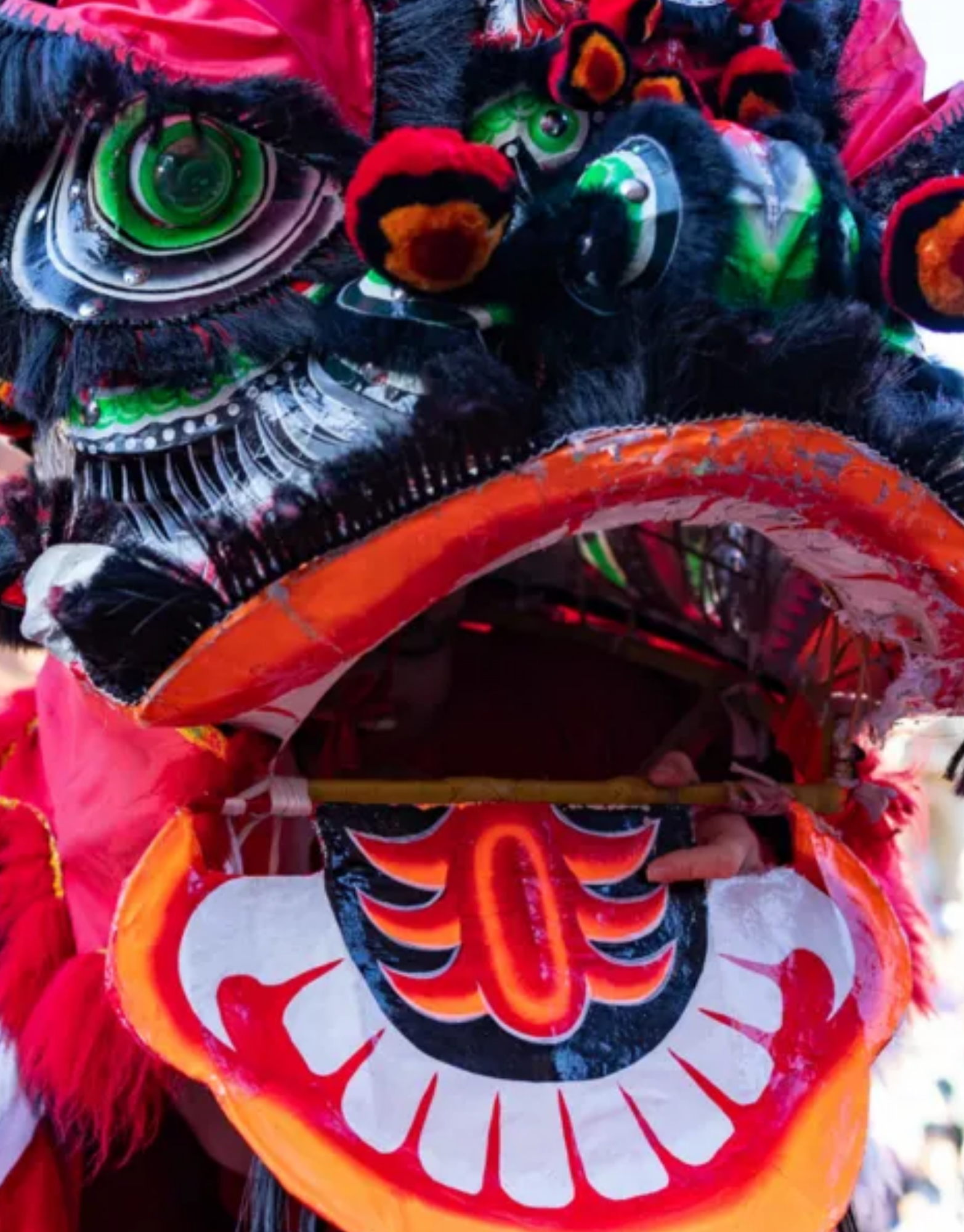
The formula is ambitious. Over 90 food vendors, more than 200 dishes representing diverse Asian cuisines, traditional lion dances, calligraphy demonstrations, live music, craft workshops and playful panda-themed installations designed for families and social media alike. It is designed not just to be attended, but to be experienced.
The name may be playful, but the infrastructure behind it is not. Festivals of this scale require vendor coordination, city permits, sponsorship structures, crowd management, security planning and significant marketing budgets. Panda Fest operates at the intersection of heritage celebration and event economics.
Origins: Why It Was Created
BiuBiu Xu founded Panda Fest at a time when interest in experiential events was rapidly accelerating. Post-pandemic audiences increasingly sought outdoor, community-based gatherings that were sensory and participatory rather than passive.
Yet Panda Fest’s origin story also sits within a deeper context: the evolving visibility of Asian communities in the United States.
According to the U.S. Census Bureau, Asian Americans are one of the fastest-growing racial groups in the country. Despite this demographic growth, large-scale public celebrations of Asian heritage outside traditional coastal strongholds have historically been limited. Many Midwestern cities have vibrant Asian communities, but few host events that place Asian culture at the centre of civic space.
Panda Fest recognised that gap.
By positioning itself as a travelling festival, it effectively decentralised cultural celebration. Instead of waiting for cities to build institutional platforms, the festival itself became the platform.
The New Geography of Culture
Geography matters in cultural politics.
Holding Panda Fest at Military Park is symbolically significant. Public parks are civic spaces. They are sites of political rallies, concerts, farmers’ markets and city-wide celebrations. When Asian culture occupies such space, it shifts from “community event” to “city event”.
This matters particularly in regions where Asian communities may not historically have had prominent representation in large-scale municipal programming. Panda Fest’s presence in Indianapolis signals not just celebration, but recognition.
It suggests that Asian culture is not peripheral. It is central.
Food as Cultural Diplomacy
If there is one universal gateway to culture, it is food.
From ramen to Filipino adobo, Korean barbecue to Thai street noodles, cuisine has long been one of the most visible and accessible expressions of Asian heritage in America. Panda Fest leverages this reality.
Food vendors form the backbone of the festival’s appeal. For many small entrepreneurs, especially immigrant-owned businesses, festivals offer exposure that brick-and-mortar locations alone may not provide. Direct customer interaction builds brand recognition and community loyalty.
Yet the economics of food festivals are complex. Vendor fees, logistical costs and fluctuating attendance can significantly affect profitability. In some cities, previous Panda Fest events have faced criticism from vendors who felt returns did not meet expectations. Organisers have publicly defended the structure, citing operational costs and broader exposure benefits.
Acknowledging these tensions does not diminish the festival’s impact. Instead, it situates Panda Fest within the broader conversation about how cultural celebration intersects with commerce.
Celebration is rarely free. The question is whether the ecosystem remains equitable.
Women and the Infrastructure of Heritage
Although Panda Fest is not explicitly branded as a women-led initiative, its founder is a woman entrepreneur operating within the highly competitive live-events industry. That in itself is noteworthy.
Beyond leadership, many of the festival’s core offerings, culinary traditions, textile crafts, paper cutting, calligraphy, family-centred activities, are forms of cultural transmission historically sustained by women within households and communities.
Food recipes passed down through generations. Craft skills preserved through maternal teaching. Performance traditions nurtured in community groups often coordinated by women organisers.
Festivals like Panda Fest do not invent these traditions. They amplify them.
In doing so, they bring often invisible domestic and community labour into public recognition.
The Experience Economy and Cultural Scale
The rapid expansion of Panda Fest also reflects the broader rise of the “experience economy” a market sector in which consumers prioritise events, immersion and shareable moments over physical goods.
Lantern installations, lion dances and vibrant vendor stalls create not just a day out, but a visual narrative. Social media plays a powerful role in scaling such events. A single striking image can travel far beyond city boundaries, drawing future audiences.
In this way, Panda Fest operates as both cultural celebration and media product. Its aesthetic is carefully curated to appeal across generations, elders seeking tradition, youth seeking spectacle.
This hybrid model allows Asian cultural forms to circulate widely, often reaching audiences who may never have attended a traditional cultural institution.
Has It Elevated Art and Culture?
The answer depends on how elevation is defined.
If elevation means visibility, then yes. Panda Fest undeniably increases public exposure to Asian foodways, performance traditions and artisan practices in cities where such exposure may otherwise be limited.
If elevation means economic opportunity, the answer is more layered. Festivals can offer powerful platforms for entrepreneurs, yet sustainability depends on fair structures and community trust.
If elevation means cultural legitimacy, then occupying central civic space sends a clear message: Asian heritage is not a niche category. It is part of the American story.
Perhaps Panda Fest’s greatest contribution is not perfection, but presence. It insists on occupying space.
Beyond Celebration
As Panda Fest continues to expand, its long-term cultural impact will depend on how it evolves.
Will it deepen partnerships with local Asian community organisations?
Will it increase transparency around vendor economics?
Will it broaden representation across the vast diversity of Asian identities?
These questions are not criticisms. They are signs of maturity. Any festival that grows quickly must also grow responsibly.
A Cultural Map Redrawn
America’s cultural landscape is not static. It is constantly being redrawn by migration, entrepreneurship and public participation.
Panda Fest represents a new model of cultural geography, mobile, commercial, celebratory and increasingly central.
At Military Park and beyond, what unfolds is more than a weekend event. It is a negotiation between heritage and market, identity and spectacle, tradition and scale.
And in that negotiation lies the future of how Asian culture, and indeed all cultures, claim space in contemporary America.