By Chris Wede
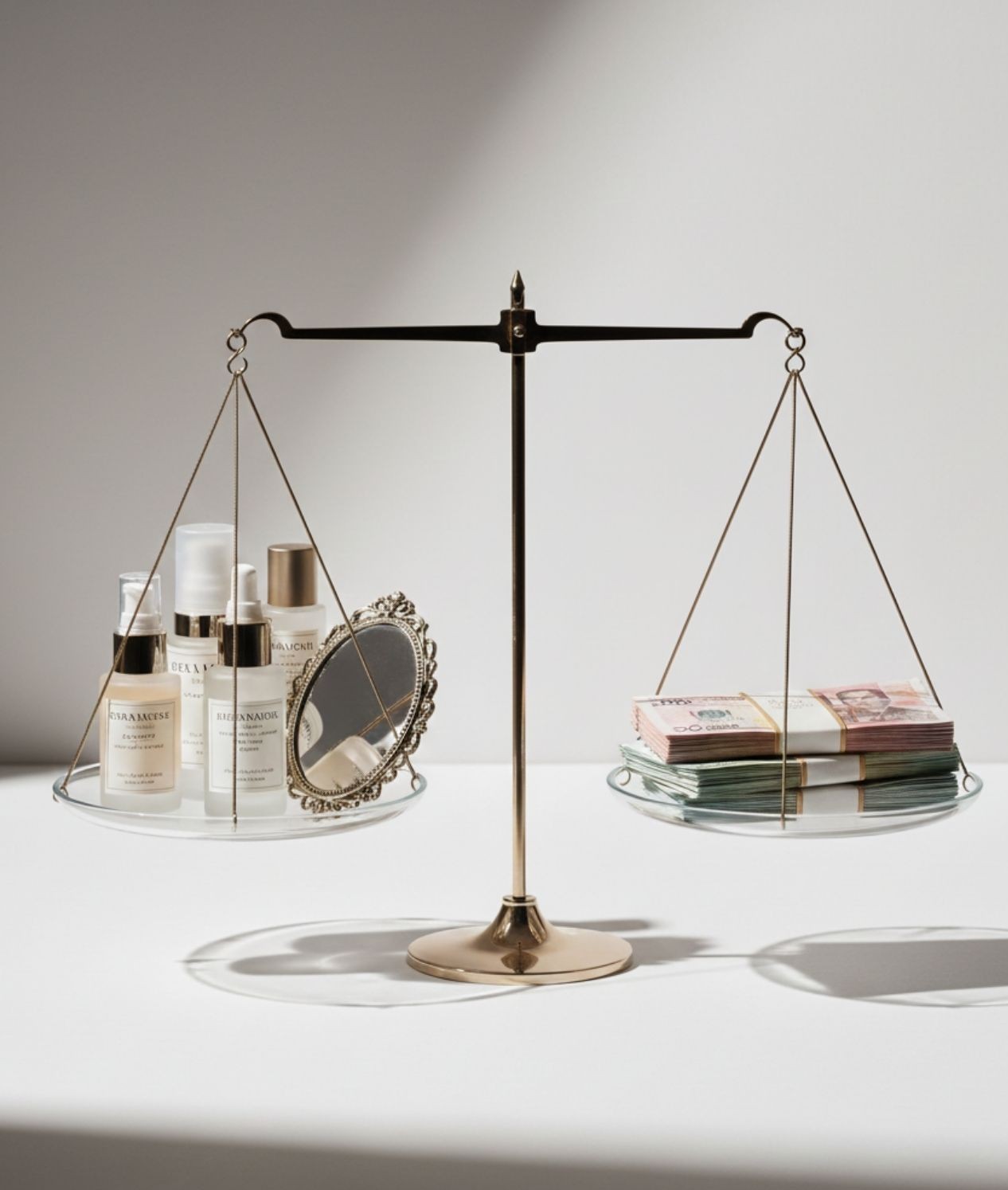
In a world that claims not to judge books by their covers, beauty still exerts an invisible tax or bonus on how women are perceived, treated, and ultimately rewarded. “Pretty privilege” isn’t just a hashtag or a social media trope: economic and psychological research confirms that physical attractiveness continues to tip the scales of opportunity.
At the heart of this phenomenon lies a cognitive bias called the halo effect. Our brains are wired to associate a single positive trait like attractiveness with other favorable qualities such as intelligence, trustworthiness, and competence. This mental shortcut shapes first impressions and often sticks, subtly influencing hiring managers, clients, and colleagues.
More Than Skin-Deep: Measuring the Cost (and Payoff) of Beauty
Economists have long studied the so-called “beauty premium,” and the numbers are striking. According to a report by IZA World of Labor, physically attractive workers can earn up to 15% more than their less conventionally attractive peers. This isn’t just anecdotal, whether in customer-facing roles or office work, better looks translate into better pay.
A large-scale INFORMS study followed thousands of MBA graduates over 15 years and found that “attractive” graduates earned 2.4% more per year on average, or approximately US$2,508 annually. And for the top 10% most attractive people in that group, the premium jumps to US$5,528 per year. Even more, those deemed more attractive were 52.4% more likely to end up in prestigious roles after 15 years. Over a career, “beauty pays” in cumulative advantage.
Another survey, conducted by Standout CV with over 1,000 workers, revealed a nearly US$20,000 annual earnings gap between those who rated themselves as “extremely attractive” and those who considered themselves “unattractive.” According to the same survey:
- 81.3% of respondents believe that attractiveness gives a real leg up at work.
- 83.4% say that well-groomed colleagues are perceived as more competent.
- Many feel pressure: the average person spends US$30 per month on grooming just for work, and US$178 a year on work-related beauty services.
A Global Force, Not a Local Quirk
What’s compelling is how this bias plays out across cultural contexts. In many societies, beauty norms converge around “conventional” standards, yet the economic stakes are consistent. For instance, in economies where client interaction is core (consulting, sales, hospitality), beauty seems to matter most.
Beyond pay, pretty privilege fuels social capital. Attractive individuals often enter into better networks, receive more mentorship, and navigate social hierarchies with greater ease. The halo effect helps here too: once someone is perceived as capable, others are more likely to invest in them.
Privilege with a Price Tag
Pretty privilege isn’t without its tensions. There’s pressure to maintain one’s appearance, not just naturally but through grooming, style, and sometimes even cosmetic intervention. According to the Standout CV survey, almost half (46%) of people who rated themselves poorly-looking said their appearance hurt their career. On the flip side, nearly two-thirds of those who felt very attractive admitted to downplaying their looks for credibility.
And appearances can backfire. Some studies suggest that in service roles especially, when attractive employees underperform or disappoint, customers react more harshly. The very bias that elevated them can amplify negative judgments when expectations aren’t met.
The Intersectional Trap
Pretty privilege doesn’t benefit everyone equally. Beauty standards are steeped in race, gender, class, and culture and those who don’t fit conventional molds can face compounded disadvantages. Women of color, those with textured features, and people whose grooming style doesn’t align with dominant standards often don’t enjoy the same “halo bonus.”
Moreover, the advantage seems to manifest differently depending on gender and sector. According to the IZA report, physically attractive men gain more in early career pay than women, though women’s “beauty premium” tends to grow over time.
So, What Now?
Awareness is the first step. Pretty privilege is not just a vanity issue, it’s a socioeconomic force that influences hiring, compensation, and opportunity. For companies and institutions, the research suggests structural actions: blind hiring, reducing emphasis on appearance in performance reviews, and training to counter unconscious bias.
For women, the challenge is both personal and political. It’s not about “rejecting beauty” or denying its power but understanding how it shapes access and choosing how to respond. Some embrace beauty as a form of agency. Others resist its demands. Many navigate somewhere in between.
Beauty may be a currency, but knowing its value and its cost is a form of power, too.