By Francisca Sinjae
January rarely arrives the way we imagine it will. Despite the fireworks, countdowns, and carefully worded captions about “new chapters,” the truth is that many women step into the New Year carrying more than excitement. We carry unfinished emotions. We carry fatigue. We carry lessons we did not ask for but learned anyway. And sometimes, we carry hope so gently we are afraid it might spill.
This is why the idea of a quiet reset matters.
Not every beginning needs an announcement. Some beginnings happen internally, in the way we listen to music differently, the way we sit with silence longer, the way we feel drawn back to old notebooks, familiar prayers, cultural rituals, or creative expression. Before we change our lives, we often change our language. And more often than not, that language is art and culture.
Art and culture have always been the soft places where women begin again.
January Is Not a Race, It’s a Pause
There is an unspoken pressure attached to the first month of the year. A sense that we should be clear, motivated, and decisive. That by the second week of January, we should know exactly who we are becoming and how we plan to get there.
But real life does not move that way.
For many women, January is quieter than December. The noise fades. The adrenaline settles. What remains is honesty. And honesty can be uncomfortable. It asks questions we did not plan to answer yet. It brings memories we thought we had outgrown. It exposes both excitement and fear in equal measure.
A quiet reset does not demand reinvention. It allows reflection. It gives permission to sit with what is before rushing toward what could be.
And this is where art enters the conversation.
Art as Emotional Translation
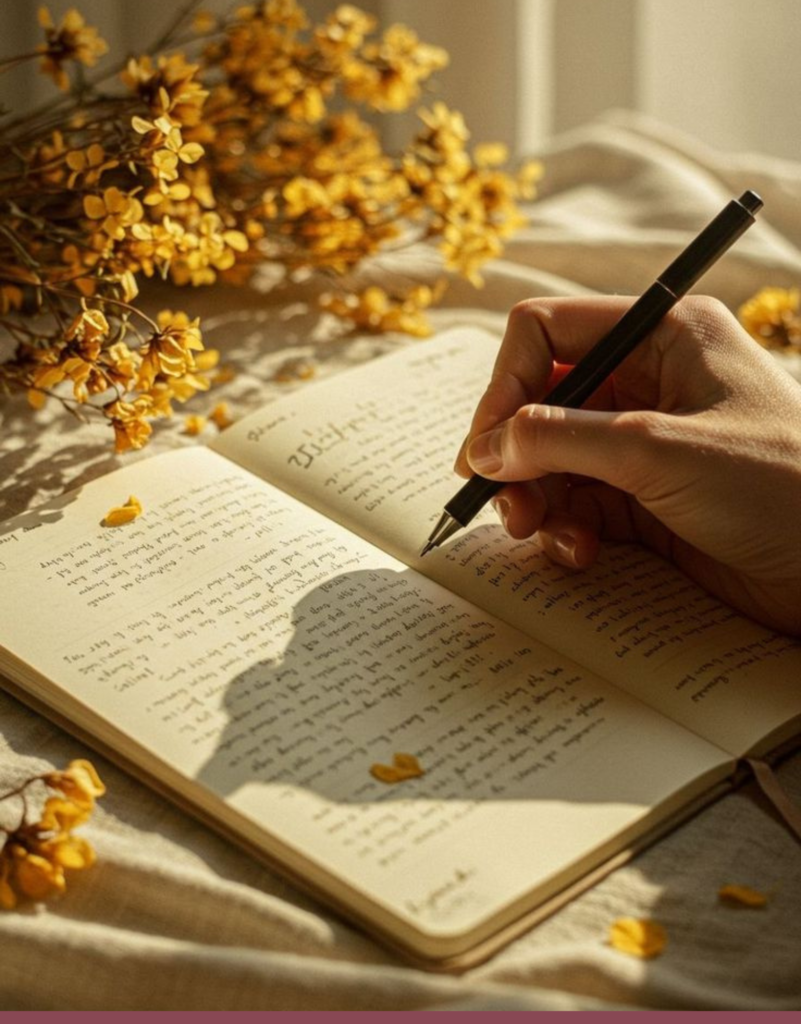
Art has never required us to be ready. It meets us exactly where we are. Long before women articulate their goals, they often curate their feelings. A playlist becomes more reflective. A journal reappears on the bedside table.
A poem feels uncomfortably accurate. A photograph captures a stillness that words cannot explain. Even style shifts, softer colors, bolder patterns, cleaner lines, are often emotional signals disguised as aesthetic choices.
Art is not always about expression. Sometimes it is about recognition. It gives form to emotions that feel too complex to explain in conversation. It allows contradiction to exist without apology. Through art, women can hold grief and gratitude at the same time. They can mourn endings while welcoming beginnings without feeling disloyal to either.
This is why art often marks the beginning of a new season in a woman’s life. Not because it fixes anything, but because it listens.
Art does not rush healing. It witnesses it.
Culture Remembers What We Forget
While art reflects the internal, culture anchors the collective. Across generations and geographies, cultures have always created rituals around renewal. Not because people needed motivation, but because they needed meaning. Cleansing ceremonies, fasting periods, naming traditions, harvest festivals, prayers at dawn, symbolic colors, transitional garments, these are not random customs. They are cultural acknowledgments that endings and beginnings are human constants.
In many African traditions, renewal is not treated as an individual performance but a communal process. You do not simply decide to begin again; you are guided into it. Through ritual. Through elders. Through symbols that say, “Others have been here before you, and they survived.”
Culture reminds women that starting again is not a failure of continuity but an affirmation of life.
It says: cycles are not interruptions, they are design.
The Feminine Experience of Starting Again
Women do not begin again lightly. Every new beginning often carries the weight of what came before it. Expectations unmet. Roles outgrown. Versions of self that were necessary at the time but no longer
fit. Women are socialized to be consistent, dependable, emotionally available, even when their inner worlds are shifting.
This is why starting again can feel like rebellion. A woman choosing to reset quietly, without explanation, without validation, without spectacle, is often misunderstood. But art and culture give her cover. They offer language when direct conversation feels too exposed. They allow her to explore change privately before presenting it publicly.
In this way, art becomes rehearsal. Culture becomes reassurance. Together, they create a safe space for women to acknowledge that they are no longer who they were, even if they are still figuring out who they are becoming.
The Subtle Signals of a New Beginning
Not all beginnings look dramatic. Sometimes they look like:
- Choosing rest without guilt,
- Returning to creative practices abandoned during survival mode,
- Reconnecting with cultural identity after years of assimilation,
- Redefining success on personal terms,
- Learning to sit with silence instead of filling it with productivity.
These choices may not trend online, but they matter deeply. A quiet reset is often marked by sensitivity. Women become more selective, about conversations, commitments, consumption. They listen more closely to intuition. They question inherited definitions of achievement. They allow curiosity to replace urgency.
This is the language of new beginnings. It is not loud, but it is deliberate.
Redefining What “New” Really Means
New does not always mean unfamiliar. Sometimes, it means returning to something we abandoned while trying to survive. A creative instinct. A cultural practice. A spiritual discipline. A version of self that was once silenced by responsibility or fear.
Art often guides this return gently. Culture validates it. Together, they remind women that growth is not always about accumulation, sometimes it is about remembrance. The quiet reset does not ask, “Who do I want to become this year?” It asks, “What feels true now?”
That question alone can change everything. As the year unfolds, there will be countless voices telling women how to optimize their lives, monetize their skills, and maximize their potential. Those conversations have their place. But before ambition, there must be alignment.
This is what art and culture offer at the start of the year: alignment. They invite women to listen inward. To honor transition without rushing resolution. To trust that beginnings do not need to be justified to be valid.
Perhaps the most powerful way to enter a new year is not by declaring who you will be, but by allowing yourself the space to discover her, quietly, intentionally, and on your own terms. Because some of the most meaningful resets do not announce themselves.
They are felt.