By Francisca Sinjae
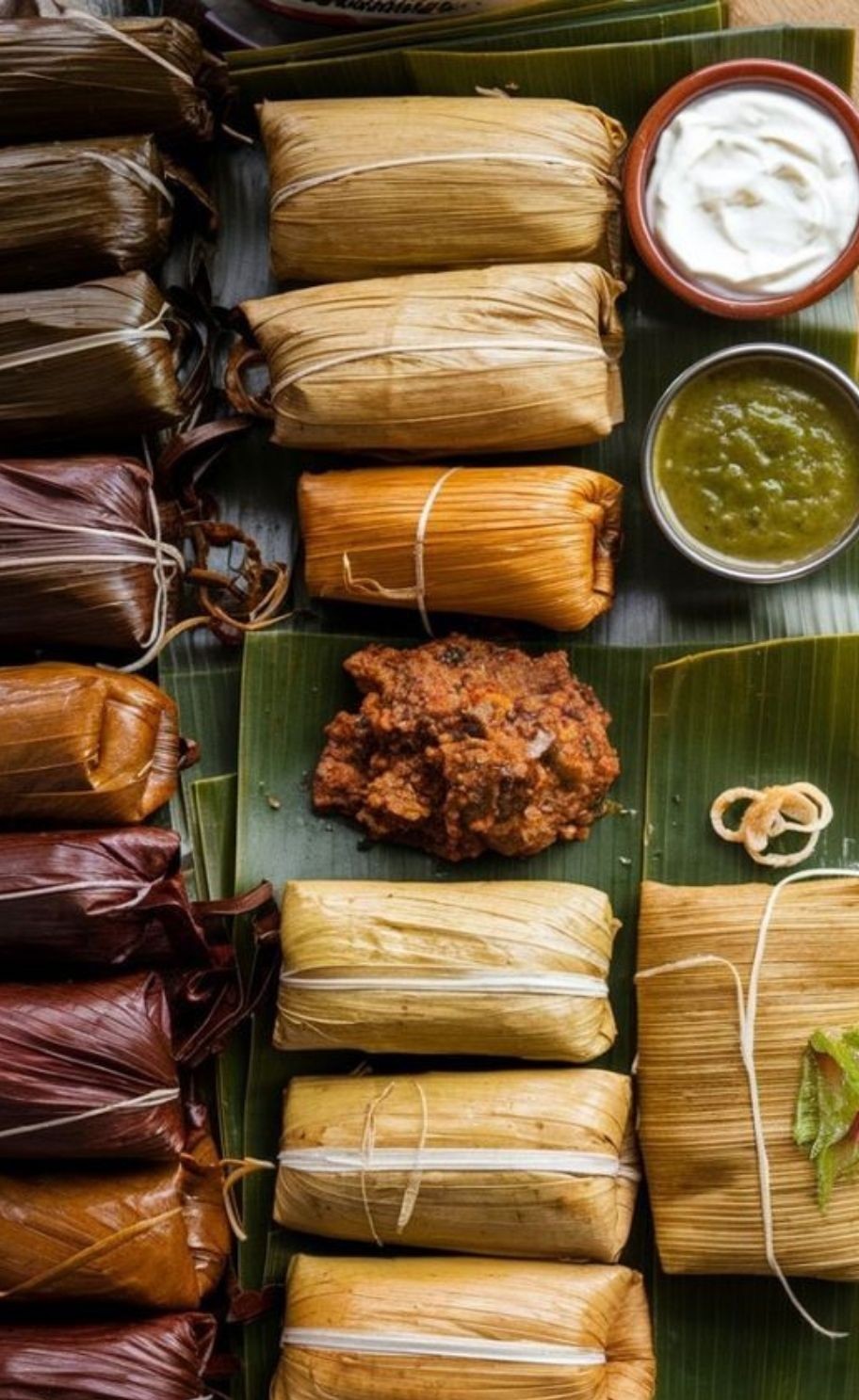
A spoonful of broth in Vietnam. A bite of tamale in Mexico. The tang of kimchi in Korea. The swirl of injera in Ethiopia. Each taste carries more than flavor it carries memory. Across the world, food is not just sustenance; it is a living archive, a record of migration, survival, identity, and belonging.
Food is one of the oldest storytellers we have. Long before alphabets were inked on scrolls or monuments carved in stone, communities encoded their history in flavor. Every recipe passed down through generations is a document, unwritten, fragile, but deeply enduring. When we eat, we remember. When we cook, we preserve.
Food as Oral History You Can Eat
In communities across the globe, food is a language of continuity. Where written records were scarce or destroyed by colonization, displacement, or disaster, recipes endured.
In Peru, for instance, the use of quinoa in soups and stews is not a modern “superfood trend” but a survival of Inca agricultural memory. Each seed tells the story of terraces carved into the Andes and farmers who understood biodiversity long before it became a global buzzword.
In India, the layering of spices in biryani preserves centuries of cultural exchange: Persian influences carried by the Mughals, regional adaptations across Hyderabad and Lucknow, and colonial interruptions that altered trade routes. A pot of biryani is more than a dish, it is an archive of empire, migration, and resilience.
In the Caribbean, callaloo, a dish made of leafy greens, often mixed with okra and seafood, traces African, Indigenous, and European influences. Born out of slavery and plantation economies, callaloo became both sustenance and identity. To eat it is to taste the endurance of communities who transformed scarcity into heritage.
Food memory is universal. Whether it’s the rice balls offered at Japanese festivals, the honey cakes baked for Jewish New Year, or the bread broken at Christian Eucharist, food is how we time travel. We eat what our ancestors ate, and in doing so, we taste their lives.
Women as Guardians of Flavor
Behind almost every preserved recipe is a woman. Across cultures, women have been the archivists of edible memory, guardians of kitchens where heritage is simmered, stewed, fermented, and baked into continuity.
In Morocco, spice blends for tagine are whispered from mother to daughter, exact proportions guarded like sacred texts. In Korea, kimchi-making (known as kimjang) is a community ritual, with women gathering to prepare vats of fermented cabbage, preserving not just food but also the spirit of togetherness. UNESCO even recognized kimjang as an Intangible Cultural Heritage of Humanity, acknowledging that the act of preparing food itself is cultural memory.
In the American South, enslaved African American women preserved recipes under impossible conditions. Gumbo, cornbread, and collard greens are not just “soul food” but survival food, archives of African memory adapted to new soil. These dishes carried fragments of ancestral knowledge, even when names, languages, and lands were violently stripped away.
The kitchen, across continents, is more than a domestic space. It is a library of taste. To stir, to roast, to ferment, is to keep memory alive.
The Politics of Taste
But food is never neutral. Every plate is political, shaped by forces of power, conquest, and economy.
Consider the tomato: today it is inseparable from Italian cuisine, yet it originated in the Americas and was unknown in Europe before the 16th century. Or cassava: a Brazilian root crop, transported across oceans by Portuguese traders, now central to African diets. Bananas, once native to Southeast Asia, became a global commodity through colonial plantation economies in the Caribbean and Central America.
Every ingredient has a passport. Every flavor tells a history of encounter, sometimes joyful, sometimes violent.
Colonialism disrupted indigenous food ways across Africa, Asia, and the Americas. European settlers imposed wheat, sugar, and livestock while undermining local grains, roots, and farming systems. Industrial agriculture later intensified this, creating monocultures that replaced biodiversity with profit-driven uniformity.
Even today, global inequalities are etched into our plates. Coffee and cocoa, luxuries in Europe and North America, are grown by farmers in Africa and Latin America who often live in poverty. To sip espresso or bite into chocolate is, in some sense, to taste global imbalance.
Food is memory, but it is also evidence. Evidence of trade, of exploitation, of adaptation. The politics of taste is the politics of history.
Food as Resistance and Healing
If food can be shaped by oppression, it can also be wielded as resistance. Across the globe, diasporic communities use food to hold on to what cannot be erased.
In New York, Haitian families cook griot (fried pork) and diri kole (rice and beans) not only as dinner but as declarations of identity. In London, Somali refugees open restaurants serving canjeero (a sourdough pancake) and camel meat, reasserting belonging in unfamiliar spaces. In Lebanon, Palestinian refugees bake ma’amoul cookies at Eid, remembering homelands through sweet dates and semolina.
Food also carries medicine. In Traditional Chinese Medicine, ginger, ginseng, and green tea are culinary as well as curative, treatments for balance and health. In Mexico, corn is not just food but cosmology. The Mayan creation story tells us humans were formed from maize dough, making tortillas sacred vessels of life. In Nigeria, pepper soup is not only festive but medicinal, prescribed after childbirth or during recovery.
Every culture knows this truth: food heals the body, but it also heals memory.
The Future of Memory on the Plate
The question now is: will food memory endure?
Today, recipes are being archived digitally. Italian nonnas teach Gen Z how to roll pasta on TikTok. Maasai herders document roasting traditions on YouTube. Instagram chefs in the diaspora remix ancestral recipes with modern twists, ensuring flavors survive in the cloud as much as in the kitchen.
But challenges loom. Climate change threatens staple crops: rice fields in Asia face flooding, coffee in Ethiopia risks extinction, and cocoa in West Africa may not survive rising temperatures. If ingredients vanish, what happens to memory? Will kimchi taste the same without napa cabbage? Will chocolate exist without Ghana’s cocoa?
At the same time, globalization accelerates homogenization. Fast food chains push uniform menus across continents. Processed foods replace indigenous grains. Children grow up craving pizza more than millet, burgers more than sorghum. The risk is not only the loss of food but the loss of memory itself.
Eating as Remembering
To eat is to remember. Every bite we take connects us to someone before us, someone who stirred, pounded, roasted, or fermented with care.
Food is a cultural archive, an edible museum where history is not behind glass but alive on the tongue. It preserves migrations, resists erasure, and embodies resilience. It tells us who we are, even when we forget.