By Chloe Beaufoy
Fashion is usually discussed in the language of creativity, beauty and seasonal trends. Designers unveil collections, runways showcase silhouettes, and magazines celebrate the evolving lan-guage of style. But when war erupts, the meaning of clothing shifts dramatically. In conflict zones and regions touched by instability, wardrobes begin to reflect something far more urgent than aesthetics. They become tools for survival.
Across parts of the world currently experiencing conflict, from Ukraine and Gaza to Sudan and Afghanistan, clothing choices are being shaped by mobility, practicality and safety.
For women navigating these environments, the everyday act of getting dressed often involves strategic thinking. What to wear is no longer only about personal style. It is about preparedness, endurance and the ability to move quickly when circumstances demand it.
One of the most immediate changes in wartime fashion is the prioritisation of function over trend. Clothing must be durable, comfortable and adaptable to long hours spent outside the home. Women often rely on layered outfits that can adjust to changing weather conditions, especially when access to shelter or reliable heating becomes uncertain.
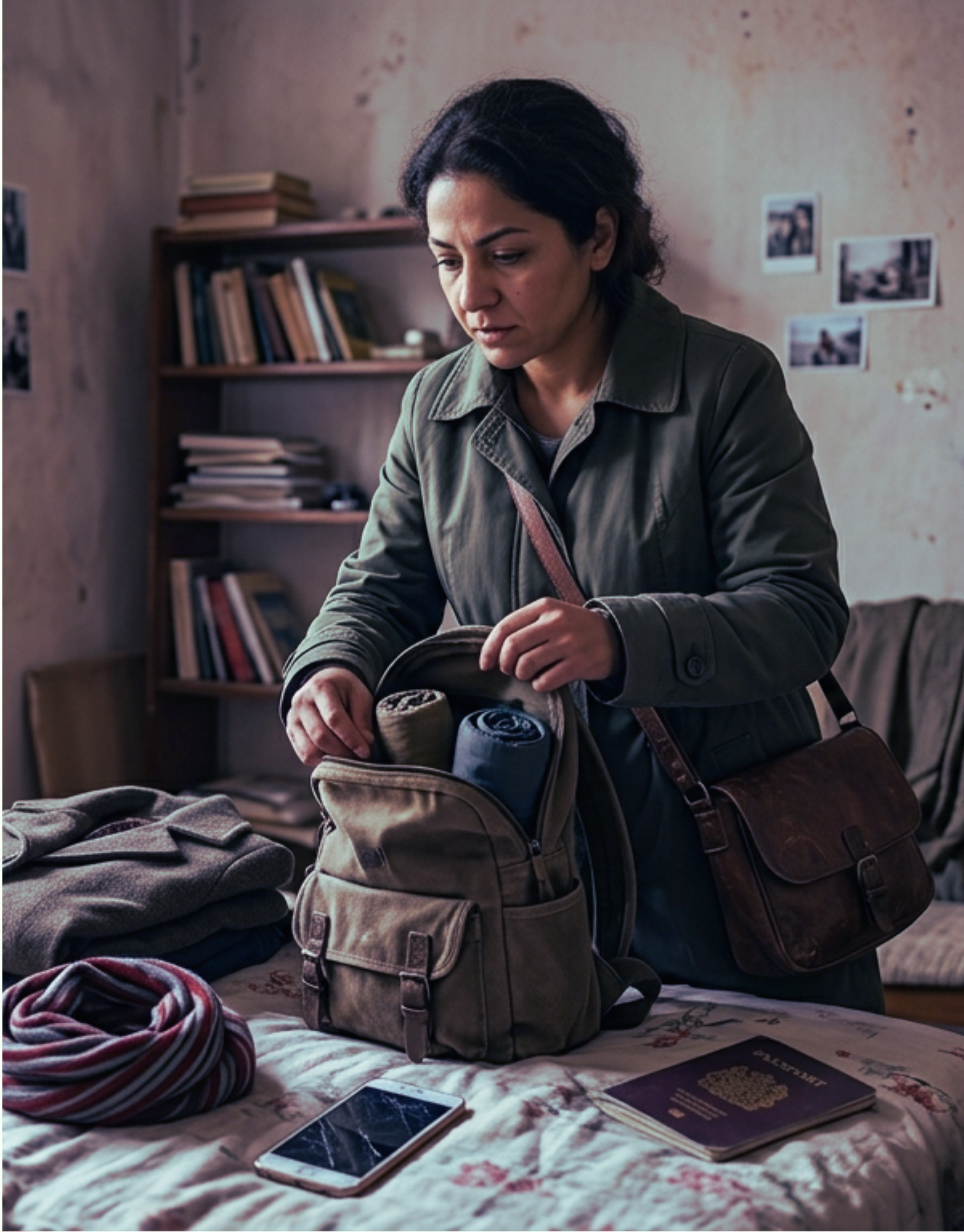
Outerwear becomes essential. Practical coats and jackets that offer warmth, protection from rain and storage for small belongings are often favoured. Crossbody bags replace handbags, allowing women to keep identification documents, phones and basic necessities close to the body while keeping their hands free.
Footwear also takes on new importance. In conflict zones where transportation systems may be unreliable or suddenly disrupted, sturdy shoes become a necessity. Boots, trainers and other supportive footwear allow women to move quickly across long distances if evacuation or relocation becomes necessary.
This shift toward practical dressing has been visible in places such as Ukraine, where the war has reshaped daily life for millions of civilians. Women navigating damaged infrastructure and unpredictable security conditions often rely on practical clothing that allows them to respond quickly to emergencies. Fashion becomes less about appearance and more about readiness.
Yet the wartime wardrobe is not only about practicality. It is also about maintaining dignity and identity in the face of disruption.
Even in difficult conditions, many women still find ways to express personal style. A carefully chosen scarf, a favourite pair of earrings or a garment tied to cultural heritage can carry emotional significance. These small details provide a sense of continuity when the surrounding world feels unstable.
In Gaza, where repeated cycles of conflict have disrupted daily life for years, women often balance modesty, practicality and cultural identity in their clothing choices. Long garments that provide comfort and coverage are paired with functional accessories that support movement and daily tasks.
Similarly, Afghan women navigating increasingly restrictive environments continue to express individuality through colour, embroidery and textile traditions whenever possible. Clothing can become one of the few remaining spaces where personal expression survives.
Another defining feature of the wartime wardrobe is adaptability. When access to clothing stores and supply chains becomes limited, garments must serve multiple purposes. A jacket may double as bedding during travel. A scarf may provide warmth, modesty or protection from dust and smoke.
Women living through conflict often develop an instinctive understanding of how to build wardrobes that are small but versatile. Items must be easy to pack, durable enough for repeated wear and suitable for different environments.
These practical choices also reflect broader economic realities. War disrupts production, transportation and trade, making new clothing harder to obtain. In many conflict regions, repairing and reusing garments becomes more common as families prioritise essential expenses such as food and shelter.