best casino sites for Canadians top real money casinos for Canadians safe online casinos for Canadian players Canadian online casino rankings best mobile casino Canada

Spotlighting Remarkable Women and Girls

Title: Mat, Mirror, Market: The Unexpected Culture Revival in Refugee Camps

By Francisca Sinjae

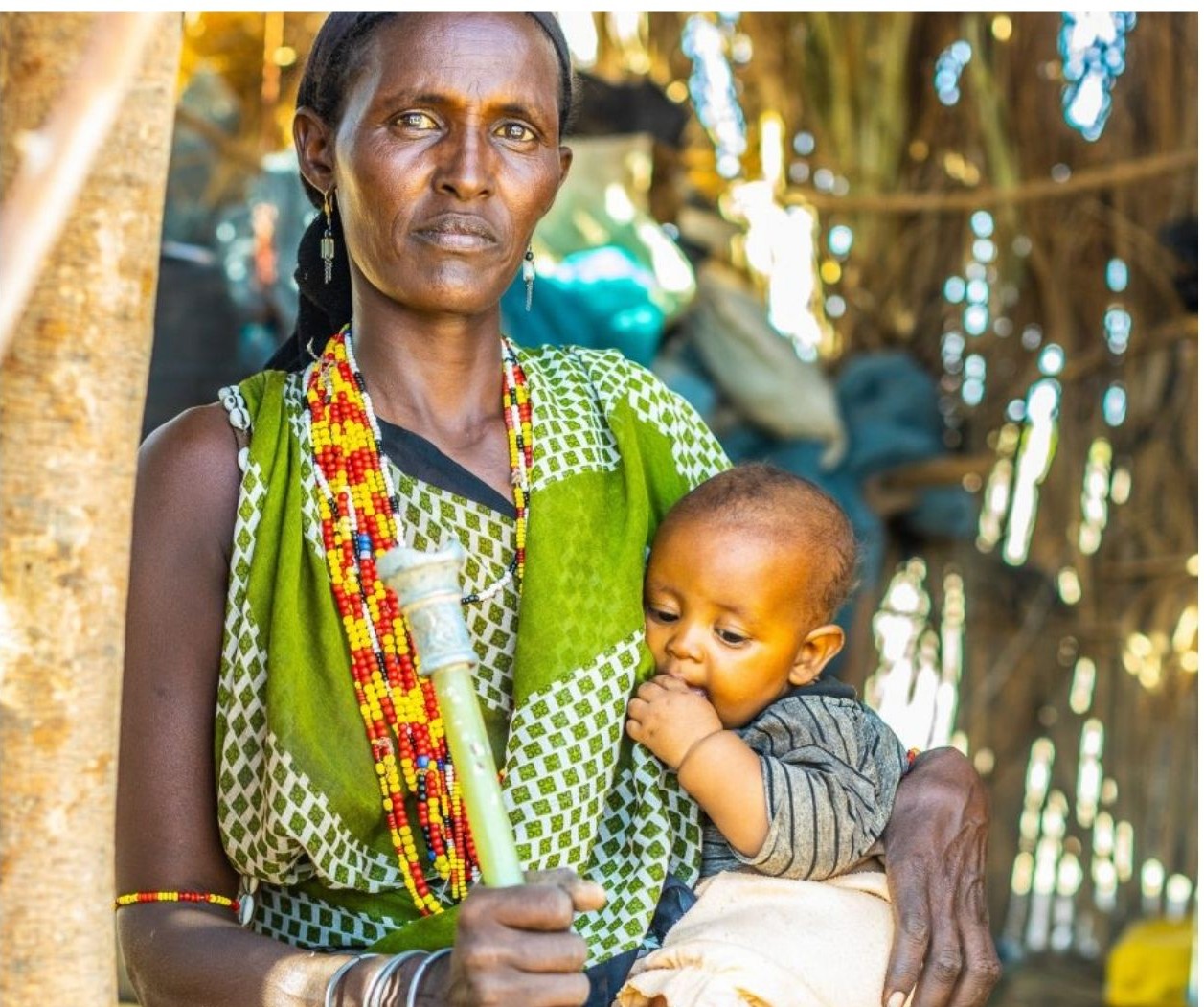
When we hear the word “REFUGEE”, our minds often leap to images of loss,of homes, loved ones, land, and language. But tucked inside refugee camps around the world are stories that defy that narrative. From Bangladesh to Colombia, Syria to Somalia, and Kenya to Cameroon, refugee women are reweaving culture from the scraps of survival. On mats, in mirrors, and through markets, they are keeping heritage alive, sometimes in silence, sometimes in celebration.

They are not just surviving displacement; they are designing a cultural renaissance in the most unexpected places.

How to Bring the Look Home

As of the end of 2024, an estimated 123.2 million people worldwide are forcibly displaced due to conflict, persecution, or disaster. Of these, over 42.7 million are registered refugees, 73.5 million are internally displaced persons (IDPs), and 8.4 million are asylum seekers. Women and girls account for roughly 50% of this population, that’s over 60 million individuals facing unique risks but also holding immense cultural capital.

These numbers are more than data points, they represent mothers, daughters, teachers, tailors, dancers, and dreamers. For many, displacement does not mean losing their culture. It means learning how to protect it in motion.

The Mat: Where Stories Sit and Spirits Rise

Across continents, the mat is more than a woven rug, it’s a vessel of continuity. In Cox’s Bazar, Bangladesh, where nearly one million Rohingya Muslims have taken refuge, women gather daily on floor mats to share traditional lullabies and oral histories passed down through generations.

“These songs remind our children who they are,” says Nur Jahan, a 42-year-old mother of five. “We don’t have a country, but we have our voice.”

In Za’atari Refugee Camp in Jordan, mats are used for informal schooling. Women lead poetry readings and reenact folktales, preserving identity far beyond borders. In Lesbos, Greece, mats become spaces for tea ceremonies, storytelling, and cultural dance lessons, creating micro-communities within the chaos.

In Minawao, Cameroon, Nigerian women displaced by conflict in the Lake Chad Basin region use mats for women-only gatherings to teach moral tales, discuss community healing, and pass on customs to younger girls.

In Kakuma, Kenya, mats laid in circular arrangements serve as both storytelling grounds and therapy spaces.

The mat is not just a resting place; it is where memory is made mobile.

The Mirror: Reflecting Beauty, Reclaiming Power

In crisis zones, mirrors become tools of healing. They reflect not just faces but pride and identity.

In Colombia, where over 2.5 million Venezuelans have fled economic collapse, girls in shelters use reflective metal scraps as makeshift mirrors. They paint tribal symbols on their faces and practice folk dances from home.

According to UNHCR, safe spaces for women to engage in beauty rituals significantly improve mental well-being. In Germany, Afghan and Ukrainian women create “beauty circles” where they share skincare routines and hair-braiding traditions,reviving lost rituals.

“When I tie my scarf the way my mother did, I feel rooted,” says Mariam, a Syrian refugee in Berlin.

In Uganda, Congolese women use mirrors during community performances, reinforcing pride in their appearance and traditions in the face of loss.

In South Sudanese refugee camps in northern Uganda, broken shards are embedded in wood to make communal mirrors used in preparing for weddings, celebrations, and storytelling nights.

The Market: Trading More Than Goods

Markets in refugee settlements buzz with more than trade, they are cultural epicenters. Women sell handmade jewelry, embroidered fabrics, traditional snacks, and natural beauty products. What’s exchanged is not just money, but memory.

In Kenya’s Kakuma Refugee Camp, which hosts over 200,000 displaced people, each market stall becomes a cultural flag. South Sudanese delicacies sit beside Somali perfumes, and Congolese music drifts through the air. In Tijuana, Mexico, women from El Salvador, Honduras, and Haiti sell tamales and hand-woven bags in a refugee artisan market.

In Adagom Refugee Camp, Nigeria, Cameroonian women run small stalls offering puff-puffs, egusi soup, and handmade baskets. Their market days attract both refugees and local Nigerians, creating a powerful space for shared culture and community.

A 2023 UNHCR report found that refugee women engaged in livelihood programs saw income increases of 44% and savings increases of 42%. They also reported higher community engagement and self-confidence.

Markets aren’t just about survival, they are about visibility, value, and voice.

Scarcity Meets Ingenuity

Creativity thrives under constraint. From Greece to India to Africa, refugee women are building bridges from brokenness.

In Lesbos, upcycled life jackets become handbags embroidered with cultural symbols.

In Malaysia, Rohingya girls hand-paint journals with poetry from their village histories.

In India, Afghan refugees in the MADE51 program stitch dolls from textile industry scraps, selling them globally.

In Cameroon, displaced Nigerian women hand-weave mats using dried maize husks and dye them with local herbs.

Each item crafted is a protest against erasure and a preservation of pride.

This story tells us that Refugee women across the globe are not passive victims. They are cultural architects. Through stitching, braiding, cooking, and storytelling, they are safeguarding traditions, inspiring new ones, and mentoring the next generation.
Share:

Trending

Raising Women Magazine Issue 045 – June 2026

There is a difference between living and merely functioning.
Somewhere between the notifications, deadlines, responsibilities, ambitions, and endless demands of modern life, many of us have become exceptionally good at keeping going. We show up. We deliver. We carry. We cope. Yet beneath the appearance of productivity, an important question remains: are we truly well?
In this issue of Raising Women Magazine, we explore wellness not as a trend, but as a deeper conversation about humanity, health, purpose, and presence.
Our cover feature introduces Dr. Heidi Beilis, a pioneering physician helping to shape the future of healthcare through artificial intelligence. Her work reminds us that innovation is at its best when it serves people, particularly women whose lives may be transformed by earlier diagnoses and better outcomes.
Elsewhere, we explore grief, ambition, beauty, leadership, healthspan, rest, and the invisible burdens many women carry. We ask difficult questions about what it means to thrive, not simply survive.
As I wrote in this issue’s Find Her Light column, sometimes the rest we need is not sleep. Sometimes it is space. Sometimes it is perspective. Sometimes it is permission.
May these pages offer all three.

Raising Women Magazine Issue 044 – May 2026

There is something deeply revealing about the way a society treats its children. Not just in policy or parenting, but in the stories it tells them, the spaces it creates for them, and the kind of world it quietly prepares them to inherit. In this Children’s Day edition, Raising Women Magazine turns its attention to childhood itself, not as a sentimental phase of life, but as the foundation upon which identity, confidence, memory, and humanity are built.

Our cover star, Ms. Rachel, represents a refreshing reminder that gentleness still matters in an age of noise. Through patience, intentionality, and emotional safety, she has transformed songs and screen time into a global classroom for millions of children and families.

Across this issue, we explore the emotional architecture of childhood, from the girls who learn too early to shrink themselves, to the children quietly carrying adult burdens before they fully understand their own. We also interrogate modern parenting, digital culture, family, safety, and the futures young people are already shaping.

Because childhood is never just preparation for life.

In many ways, it is life itself.

The Family Tree Divide

What Women Are Given, and What They Build By Sipho Khumalo Two women walk into the same room. One is recognised before she speaks. The

Your guide to IVF and egg freezing in Korea

Empowering your family planning journey with curated fertility treatments at lower costs. Get our guide for Korea’s leading clinics, pricing and service breakdown.

Recommended News

Raising Women Magazine Issue 045 – June 2026

There is a difference between living and merely functioning.
Somewhere between the notifications, deadlines, responsibilities, ambitions, and endless demands of modern life, many of us have become exceptionally good at keeping going. We show up. We deliver. We carry. We cope. Yet beneath the appearance of productivity, an important question remains: are we truly well?
In this issue of Raising Women Magazine, we explore wellness not as a trend, but as a deeper conversation about humanity, health, purpose, and presence.
Our cover feature introduces Dr. Heidi Beilis, a pioneering physician helping to shape the future of healthcare through artificial intelligence. Her work reminds us that innovation is at its best when it serves people, particularly women whose lives may be transformed by earlier diagnoses and better outcomes.
Elsewhere, we explore grief, ambition, beauty, leadership, healthspan, rest, and the invisible burdens many women carry. We ask difficult questions about what it means to thrive, not simply survive.
As I wrote in this issue’s Find Her Light column, sometimes the rest we need is not sleep. Sometimes it is space. Sometimes it is perspective. Sometimes it is permission.
May these pages offer all three.

Raising Women Magazine Issue 044 – May 2026

There is something deeply revealing about the way a society treats its children. Not just in policy or parenting, but in the stories it tells them, the spaces it creates for them, and the kind of world it quietly prepares them to inherit. In this Children’s Day edition, Raising Women Magazine turns its attention to childhood itself, not as a sentimental phase of life, but as the foundation upon which identity, confidence, memory, and humanity are built.

Our cover star, Ms. Rachel, represents a refreshing reminder that gentleness still matters in an age of noise. Through patience, intentionality, and emotional safety, she has transformed songs and screen time into a global classroom for millions of children and families.

Across this issue, we explore the emotional architecture of childhood, from the girls who learn too early to shrink themselves, to the children quietly carrying adult burdens before they fully understand their own. We also interrogate modern parenting, digital culture, family, safety, and the futures young people are already shaping.

Because childhood is never just preparation for life.

In many ways, it is life itself.

The Family Tree Divide

What Women Are Given, and What They Build By Sipho Khumalo Two women walk into the same room. One is

First, Believe

By The Lulu They said the sky’s the limit But what if you’re still underground, still digging through the dirt

RudolphCasinos