How Harassment Is Pushing Women Out of Swedish Politics
By Antoine Pepper
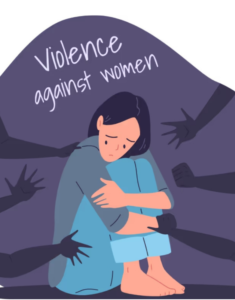
For decades, Sweden has been regarded as one of the world’s strongest champions of gender equality, a country where women’s voices shaped policy, anchored political parties, and stood as symbols of progressive governance. But a new and deeply troubling trend is shaking that long-held reputation: a sharp rise in threats, harassment, and hate speech targeted at women in politics. And the consequences are already unfolding, women are stepping back, stepping down, or stepping away entirely.
A recent report by the Swedish Gender Equality Agency reveals a political climate that is becoming alarmingly hostile, especially for women. What is emerging is not just a collection of isolated incidents, but a cultural shift that threatens democratic participation and representation.
A Democracy Under Pressure
One of the most shocking indicators of this rising hostility is the resignation of Anna-Karin Hatt, leader of Sweden’s Centre Party. After only five months in office, she stepped down in October 2025, stating that the escalating threats against her and her family had left her feeling permanently unsafe.
Her departure was not just personal, it was symbolic. A visible, powerful woman stepping back from leadership due to fear sends a clear message to other women: the political space is becoming dangerous.
This echoes deeper structural realities. According to the 2025 safety survey cited in the report:
- 26.3% of female elected officials reported being subjected to threats or harassment because of their position.
- In comparison, 23.6% of men reported the same. The gap widens even further when it comes to emotional and psychological impact:
- 32.7% of women said they felt unsafe, vulnerable, or exposed in their political work.
- For men, the figure stood at 24%.
These are not just numbers, they represent the emotional tax placed on women for simply choosing to lead.
The Online War Zone
While harassment can occur anywhere, the report identifies social media as the most toxic battlefield. Women politicians face:
- misogynistic insults
- threats of violence
- coordinated hate campaigns
- racist abuse (especially those with immigrant backgrounds)
And as expected, the impact is chilling. Many women reported that they have:
- reduced their political posting online
- withdrawn from debates
- avoided topics like immigration, crime, and gender policy
- stopped engaging with followers out of fear of being targeted
When those who are supposed to speak for the people feel forced into silence, democracy loses its voice.
The Danger Is Real Not Theoretical
What makes this situation especially disturbing is that Sweden has previously witnessed politically motivated violence. The report references:
- The 2022 murder of Ing-Marie Wieselgren, a prominent psychiatry coordinator.
- A foiled assassination attempt targeting former Centre Party leader Annie Lööf.
These incidents confirm that threats toward women in public life are not “just online trolling.” They can escalate into real-world danger.
This makes the fear reported by women politicians not only understandable, but rational.
A Double Burden for Women With Foreign Backgrounds
The data becomes even more concerning when ethnicity is taken into account.
The survey found that:
- 31.5% of politicians with a foreign background felt unsafe, compared to
- 24.1% of politicians with a fully Swedish background.
This means that women who are both female and from minority groups experience a double vulnerability, targeted both for their gender and for their ethnicity.
That creates a political environment where entire communities risk losing representation, simply because their representatives are the most attacked.
Why This Trend Should Alarm the World
Sweden is not just any country, it is often held up as a global model for gender equity, social progress, and inclusive leadership. If a country like Sweden is struggling to keep women in politics, what does that say about the rest of the world?
The impact extends beyond individuals.
When women leave politics:
- policies become less representative
- debates become narrower
- marginalised communities lose their champions
- democracy becomes less diverse and less dynamic
The report warns of a growing “chilling effect”: women self-censoring to avoid backlash. This means sensitive yet important issues, such as integration, public safety, or gender rights may get less attention simply because women no longer feel safe discussing them.
And when women stop participating, the entire political narrative shifts. The space becomes more aggressive, more polarized, and more male-dominated.
How Did Sweden Get Here?
Experts link the rise in harassment to:
- increasing political polarization
- far-right online communities
- aggressive social-media cultures
- societal tensions over immigration
- global trends of attacking women in power
Sweden may be experiencing a local crisis, but the causes mirror what is happening worldwide.
From the UK and US to India, Brazil, and parts of Africa, women who speak boldly, especially women of color are becoming lightning rods for hate.
Sweden’s case simply highlights how quickly a progressive society can shift backward when hate becomes normalized.
What Needs to Be Done?
The report is clear: protective measures must be implemented urgently.
The recommendations include:
- stronger institutional protection for political leaders
- legal consequences for online threats
- more accountability for social-media platforms
- training for political parties on safeguarding
- public awareness campaigns
- support systems for victims of harassment
But this is not only Sweden’s responsibility. It is a global conversation.
We must ask:
- What are we doing to protect women who speak?
- How do we ensure political spaces remain open to all genders?
- What systems hold perpetrators accountable?
- How do we rebuild trust in public life?
This Is More Than a Swedish Story
Sweden’s crisis is a warning sign, a trend that could reshape politics everywhere.
When a country that once prided itself on equality begins losing women to threats and intimidation, we must pay attention. Because democracy cannot survive if half its population is pushed out of the room, silenced online, or threatened into withdrawal.
The most important takeaway is not just that women are being harassed.
It is that women are leaving.
And when women leave politics, society loses far more than leaders. It loses balance. It loses representation. It loses voices that matter.
This is not simply a gender issue. It is a democratic emergency.