By Ifeoma Udu
Somewhere along the line, love started sounding like real estate.
People do not just fall in love anymore. They claim. My man. My girl. My person. My wife. Somewhere between childhood fairytales and adult situationships, society decided that affection should come with a tiny invisible “Property Of” tag.
From childhood, we are fed the idea that love means holding on tightly. You will go to someone’s house. You are the missing rib of a hypothetical man somewhere. You must secure your person. Nobody pauses to ask what exactly is being secured. A human being? Or an emotional insurance policy?
Pop culture does not help.
We sing along to possession like it is romance. Bollywood’s Tu Meri literally translates to “you are mine.” Every Breath You Take sounds wedding-coded until you realize it is basically musical stalking. Beyoncé’s Crazy in Love makes emotional collapse sound cute. Love Me Like You Do wraps power dynamics in slow motion lighting. We vibe first, interrogate later.
But every now and then, pop culture accidentally drops something healthier.
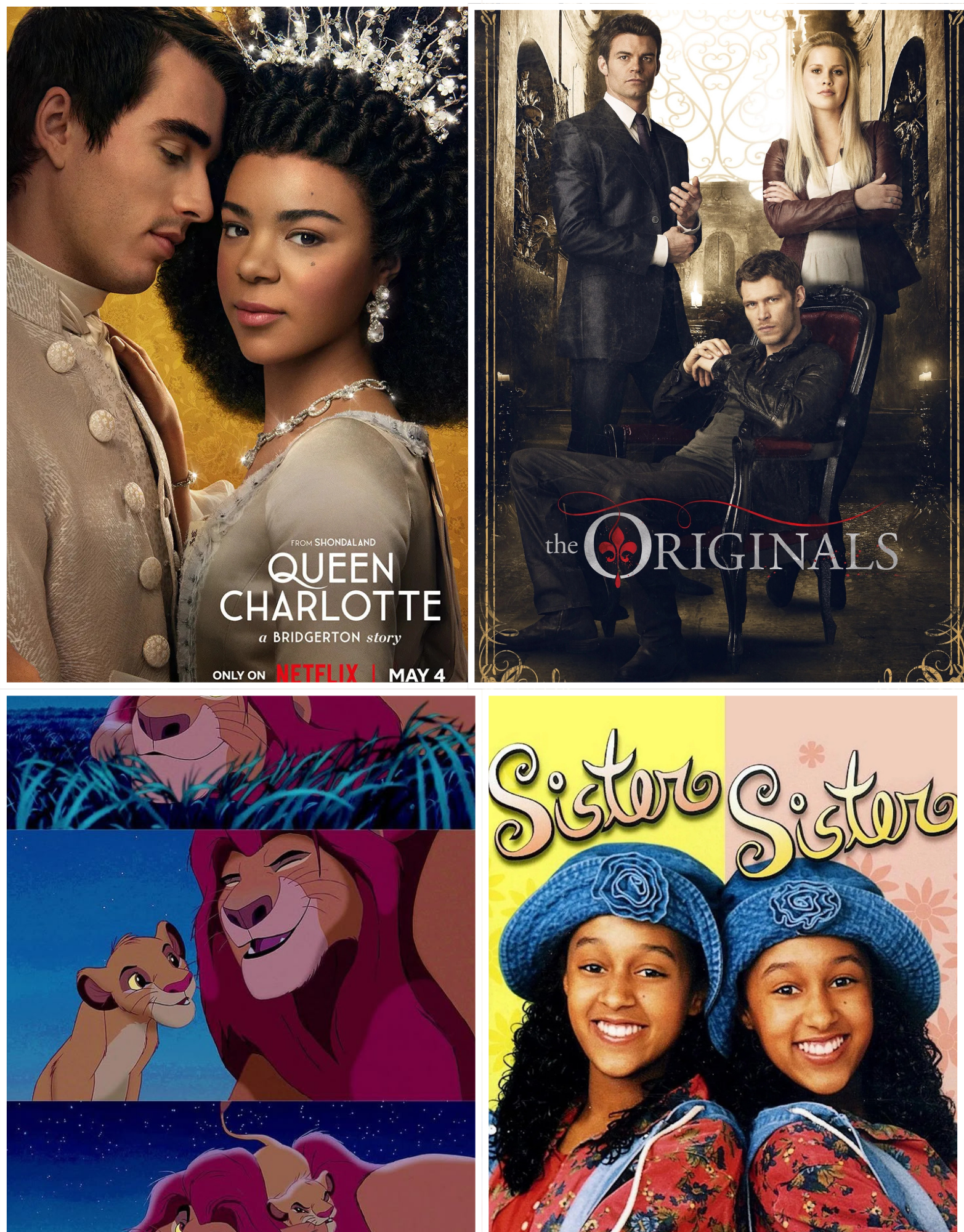
In Queen Charlotte: A Bridgerton Story, Charlotte tells George, “I would stand between the heavens and the earth and tell you who you are.” That is not “you belong to me” love. That is “I see you and I am with you” love.
In Barbie (2023), Barbie tells Ken, “Maybe it is Barbie and Ken,” not Barbie for Ken. Which is Hollywood’s soft way of saying: sir, I am not an accessory.
And suddenly you realize, oh. Love does not have to feel like captivity with good PR.
So let us ask the awkward question.
Why do we default to ownership instead of partnership when we talk about love?
Why must people convert, shrink, adjust, surrender, or disappear a little just to be considered lovable?
A recent show, Nobody Wants This, plays with that tension. Joanna and Noah keep circling each other, breaking up and coming back together, mostly over whether Joanna will join Noah’s Jewish faith. The funny part is Noah knew she was not Jewish when he met her. Still, the relationship keeps returning to the same pressure point: how much of herself must Joanna change in order to belong?
Which is wild, because if love is partnership, the entry requirement should not be self-erasure.
Cultural Conditioning (aka We Were Raised Like This)
Society has been selling ownership love for generations.
Marriage used to be a transaction. Women were literally handed over. Even now, the language lingers. You are going to someone’s house. You are someone’s other half. You are the missing rib of a man who may not even exist yet.
We grow up thinking love is about being chosen instead of being met. Possession feels romantic because it feels stable. But stability without agency is just emotional furniture.
Ego and Insecurity (Why We Cling)
Let us be honest. “You are mine” sounds comforting.
It feels like security. Like protection. Like a receipt.
But most ownership love is really fear wearing perfume. Fear of abandonment. Fear of not being enough. Fear that if you do not hold someone tightly, they might remember they have free will.
Partnership is harder because it says: I trust you even when I cannot control you.
And control is way easier than trust.
Love Beyond Romance (Pop Culture Actually Gets This Right Sometimes).
Perhaps we struggle with romantic partnership because we’ve forgotten the lessons found in other forms of love, the ones that exist beyond the traditional romantic narrative
In The Lion King, Mufasa literally risks his life to save Simba from a stampede. Beyond that, he teaches Simba how to be a person, not a possession. His love is protective, but it still leaves room for independence.
In Full House, Danny, Jesse, and Joey raise the Tanner girls together after their mother dies. Love shows up as consistency, emotional labor, and showing up even when nobody is glamorous about it. Nobody is owned. Everybody is supported.
In Sister, Sister, Tia and Tamera move through life as equals. They defend each other, challenge each other, and grow side by side. Their bond is partnership in sneakers.
In Black-ish, the Johnson family debates everything from race to ambition to identity, but love shows up as guidance without imprisonment. You can disagree and still belong. Revolutionary concept.
Even vampires get it.
In The Originals, Klaus absorbs the Hollow to save his daughter Hope. In the finale, Klaus and Elijah sacrifice themselves so Hope can live free of darkness. Their famous “always and forever” is not ownership. It is chosen responsibility. Love becomes action, not claim.
These stories show something refreshing: love does not mean capture. It means showing up without shrinking someone else in the process.
Conclusion
Maybe the problem is not that people want love.
It is that society taught us to want control dressed as connection.
If love requires disappearing, converting, shrinking, or surrendering your sense of self, then that is not intimacy. That is negotiation with feelings.
Love beyond romance, in families, friendships, and chosen bonds, keeps proving the same thing: real love does not cage. It collaborates.
Maybe the goal is not learning how to belong to someone.
Maybe it is learning how to stand with someone, without turning them into emotional property.
Because love is not supposed to own you.
It is supposed to meet you.