
Spotlighting Remarkable Women and Girls

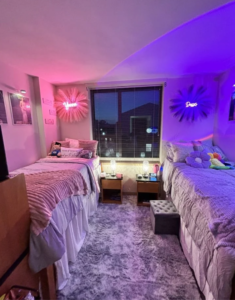
Your Home Should Hug You

How to Make Your Space Feel Emotionally Safe and Nurturing

By Tom Boyd

There’s a certain kind of magic that happens when you walk into a space and immediately feel at peace, like the walls are wrapping their arms around you and saying, Welcome home.” But for many of us, home has become just another stop in the daily hustle: a place we crash after work, not necessarily one that soothes or supports us emotionally.

In fact, interior design experts note that in today’s hectic world, we’ve been “craving comforting homes that feed the soul”. The good news is that small, easy changes can turn any room into a cozy sanctuary. With a few simple shifts in how you design, scent, light, and use your space (along with a few natural touches), you’ll literally create a space that feels like a hug when you walk through the door.

Creating a home that “hugs” you doesn’t require a complete overhaul or a designer budget, it begins with intention.

Set a Warm, Cozy Glow

Soft, warm lighting instantly changes a room’s mood. Research shows that bulbs around 2700–3000K (the mellow glow of sunset or a campfire) calm the mind and shrink a space into an intimate nook. In fact, a study in the Journal of Environmental Psychology found that warm lights cut stress by about 40% compared to bright cool lights. Rather than harsh overhead fluorescents, use lamps, sconces or string lights with warm-toned bulbs.

Interior experts recommend “layering” your lighting: combine an ambient ceiling light with table or floor lamps, all on dimmers, so you can adjust the glow for every mood. A softly lit room (think golden table lamp or fairy lights) feels more relaxing and inviting. As one guide explains, warm ambient lighting “creates a soothing and inviting ambiance” that helps your home feel truly welcoming.

Layer in Soft, Tactile Textures

Comfort comes through touch. Surround yourself with plush fabrics and mixed materials so your home feels cozy on the skin. Designers point out that mixing textures a wool rug, velvet pillows, knit throws and even a faux-fur blanket, adds “visual interest and tactile comfort” to a room. For example, a soft sofa piled with different cushions, or a layered rug underfoot, makes you want to sink in and stay awhile. Homes & Gardens notes that using a variety of textures (smooth wood, fuzzy rugs, silky pillows, etc.) “creates a layered effect that stimulates the senses and adds depth” to a space.

In practice, draping a chunky knit throw over a chair or adding a few textured pillows can instantly elevate the cozy factor. Even simple touches like a shaggy rug or woven baskets warm up a room without any fuss. Each tactile layer signals your brain that this is a safe, snuggly place to relax.

Infuse Gentle, Calming Scents

Our sense of smell is surprisingly powerful. Scents travel straight to the brain’s emotion and memory centers, so they can shift how we feel in an instant. For example, the aroma of vanilla, cinnamon or fresh bread often brings nostalgia and comfort. To create an extra-cozy atmosphere, add gentle fragrances with proven calming qualities. Practical scientists and perfumers recommend soothing scents like lavender, chamomile or orange blossom. You can use an essential-oil diffuser, a scented candle, or even simmer citrus peels and spices on the stove.

Even brewing a pot of herbal tea or baking cookies lets comforting aromas drift through the home. Importantly, keep scents soft and natural harsh chemical sprays can be jarring.

The goal is a subtle, homey fragrance that makes you smile, not sniffle. As one expert perfumer explains, pleasant natural scents “have a profound impact on mood and cognitive function,” so choosing them wisely can make your space feel truly nurturing.

Bring the Outdoors In & Personalize

Add greenery and familiar keepsakes. Houseplants and natural materials can ground you. In fact, studies show that having plants at home reduces depression and boosts focus and creativity. Adding a potted fern or succulent (or even cut flowers) brings a bit of nature’s calm inside. Wooden bowls, stone accents or a basket of pinecones give the same grounding effect. These biophilic touches quietly remind our brains we’re safe and connected to the earth.

Likewise, surround yourself with things that mean something to you. Personal items family photos, travel mementos or a favorite quilt – instantly make a house feel like yours. Interior therapists call these “identity anchors”: objects that tell your story and make a space feel familiar and loved. For example, displaying a cherished photo or heirloom creates an emotional anchor: in a way, they “hug” you by recalling happy memories. It doesn’t have to be fancy: even a few framed pictures or your child’s drawing can warm the heart. The combination of natural elements and personal touches makes a home feel both calming and uniquely comforting.

Every small tweak adds up. The fresh plant, the glowing lamp, the soft blanket and gentle scent all whisper to your brain: “You’re safe, it’s okay to unwind.” In a well-designed home, you don’t just look at beauty, you feel it.

As designer Kierstin Smyth notes, the best spaces “respond to your needs, support your lifestyle and create a sanctuary that helps you be the best version of yourself”. In other words, they hug you back. So, try it one step at a time: maybe light a candle tonight or stick a couple of cushions on the sofa. Little by little, you’ll transform your everyday rooms into a nurturing haven that truly embraces you.

Your home doesn’t need to be perfect. It needs to feel like you. And more importantly, it should feel like a place where you’re allowed to rest, grow, and return to yourself, no performance, no pressure. Just peace!

When your home hugs you, you start showing up in the world with more presence and ease. So, light the candle, fluff the pillows, open the window, and let your space love you back.
Share:

Trending

Raising Women Magazine Issue 56 – November 2026

The Courage to Question
We live in a world where reputation often arrives before character, popularity masquerades as goodness, and questioning authority can make you the problem. Apparently, being respected is sometimes mistaken for being beyond reproach.
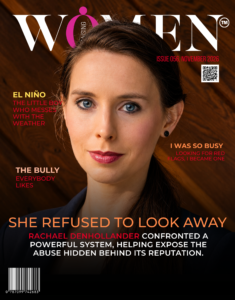
Our cover woman, Rachael Denhollander, reminds us why that distinction matters. Her courage in confronting institutional abuse challenges us to reconsider what safety, justice and accountability truly mean.

Elsewhere, we explore the judgement surrounding childbirth, the invisible labour behind successful careers, the beauty industry’s obsession with perfection, and why women can cook the same meal as men yet receive considerably less applause.

From fashion and culture to relationships and motherhood, Issue 56 invites us to examine the assumptions we have inherited, including those we unknowingly perpetuate.

Because progress is not simply about celebrating extraordinary women. It is about creating a world where ordinary women and girls are heard, valued and protected.

And sometimes, change begins with refusing to look away.

Raising Women Magazine Issue 55 – October 2026

We spend a remarkable amount of time telling girls who they should become, often before they have finished discovering who they are. Apparently, growing up comes with a job description nobody remembers applying for.

In Issue 55, our cover girls, Isabel Idibia and Princess Sade Obaitan, remind us that famous surnames and royal titles may introduce you, but they should never define you.

From girls conquering oceans and swimming pools to conversations about beauty, culture and ambition, this edition examines the expectations we inherit and the courage required to question them.

In Find Her Light, I also reflect on the careers I might have pursued and why discovering another gift does not invalidate the life we have already built.

Perhaps that is the lesson running through these pages: identity is not a finished manuscript.

Every girl deserves the freedom to write her own story. And every woman deserves another chapter.

Raising Women Magazine Issue 54 – October 2026

“Because you’re a girl.”
Four little words that have spent generations doing an extraordinary amount of damage. Apparently, ambition, intelligence and audacity were once considered rather unladylike.
Fortunately, the girls featured in our 54th edition missed that memo.
As we celebrate the International Day of the Girl Child, we spotlight twelve remarkable girls rewriting the rules, while reminding ourselves that a girl should not need extraordinary achievements to deserve ordinary opportunities.
We also explore the expectations that complicate girlhood, the childhood wounds we carry into adulthood and, in my Find Her Light reflection, why the girl I once was might have a few lessons for the woman I have become.
Perhaps our greatest responsibility is not simply raising girls to conquer the world, but ensuring they never have to shrink themselves to belong in it.
Because you’re a girl?
What a wonderful reason to dream without limits.

Your guide to IVF and egg freezing in Korea

Empowering your family planning journey with curated fertility treatments at lower costs. Get our guide for Korea’s leading clinics, pricing and service breakdown.

Recommended News

Raising Women Magazine Issue 56 – November 2026

The Courage to Question
We live in a world where reputation often arrives before character, popularity masquerades as goodness, and questioning authority can make you the problem. Apparently, being respected is sometimes mistaken for being beyond reproach.
Our cover woman, Rachael Denhollander, reminds us why that distinction matters. Her courage in confronting institutional abuse challenges us to reconsider what safety, justice and accountability truly mean.

Elsewhere, we explore the judgement surrounding childbirth, the invisible labour behind successful careers, the beauty industry’s obsession with perfection, and why women can cook the same meal as men yet receive considerably less applause.

From fashion and culture to relationships and motherhood, Issue 56 invites us to examine the assumptions we have inherited, including those we unknowingly perpetuate.

Because progress is not simply about celebrating extraordinary women. It is about creating a world where ordinary women and girls are heard, valued and protected.

And sometimes, change begins with refusing to look away.

Raising Women Magazine Issue 55 – October 2026

We spend a remarkable amount of time telling girls who they should become, often before they have finished discovering who they are. Apparently, growing up comes with a job description nobody remembers applying for.

In Issue 55, our cover girls, Isabel Idibia and Princess Sade Obaitan, remind us that famous surnames and royal titles may introduce you, but they should never define you.

From girls conquering oceans and swimming pools to conversations about beauty, culture and ambition, this edition examines the expectations we inherit and the courage required to question them.

In Find Her Light, I also reflect on the careers I might have pursued and why discovering another gift does not invalidate the life we have already built.

Perhaps that is the lesson running through these pages: identity is not a finished manuscript.

Every girl deserves the freedom to write her own story. And every woman deserves another chapter.

Raising Women Magazine Issue 54 – October 2026

“Because you’re a girl.”
Four little words that have spent generations doing an extraordinary amount of damage. Apparently, ambition, intelligence and audacity were once considered rather unladylike.
Fortunately, the girls featured in our 54th edition missed that memo.
As we celebrate the International Day of the Girl Child, we spotlight twelve remarkable girls rewriting the rules, while reminding ourselves that a girl should not need extraordinary achievements to deserve ordinary opportunities.
We also explore the expectations that complicate girlhood, the childhood wounds we carry into adulthood and, in my Find Her Light reflection, why the girl I once was might have a few lessons for the woman I have become.
Perhaps our greatest responsibility is not simply raising girls to conquer the world, but ensuring they never have to shrink themselves to belong in it.
Because you’re a girl?
What a wonderful reason to dream without limits.

Raising Women Magazine Issue 53 – September 2026

Apparently, saving the planet comes with a shopping list. Solar panels, electric cars, sustainable fashion and, preferably, a bank account that understands the assignment.

In Issue 53, our cover woman, Professor Joyashree Roy, challenges us to reconsider what sustainability really costs, who pays, and why the cheapest choices today may leave tomorrow’s generations with the bill.

But this issue is also about the invisible price tags attached to everyday life. From passport privilege and the cultural expectations of a “good woman” to motherhood, personal boundaries and the delicate art of enjoying life before finishing every task, we examine the systems shaping our choices.

We also celebrate women turning overlooked problems into extraordinary opportunities.

Perhaps progress begins when we stop asking only what things cost and start asking what they are worth.

A better world should not be a luxury reserved for those who can afford it.
Happy reading!

.

Raising Women Magazine Issue 52 – September 2026

This issue asks a deceptively simple question: can we save the planet without making ordinary people pay the highest price?
Our cover star, Sascha Gabizon, brings that question sharply into focus, challenging us to think about climate action not only through carbon, but through fairness, access and gender. Because going green sounds wonderful until sustainability becomes something only the wealthy can afford.
Across these pages, we follow climate change into unexpected places. Into our wardrobes, our food, our cultural traditions and even the price of our morning coffee. We also continue our important First Daughters conversation, explore what women really mean when they speak about safety, and look at 111 Miss World contestants whose purpose projects remind us that beauty today carries increasingly bigger expectations.
This edition is ultimately about responsibility, but responsibility shared fairly.
Because saving our planet cannot become another luxury.
And perhaps the greenest future is one everyone can actually afford.