By Ikupolusi Ariyike
A festival in Ozoro, Delta State, like many others across Nigeria, should have been a moment of color, rhythm, and communal pride. These gatherings are often rooted in history, spirituality, and identity, carrying the weight of generations in their rituals and expressions, but what unfolded instead has left a nation unsettled.
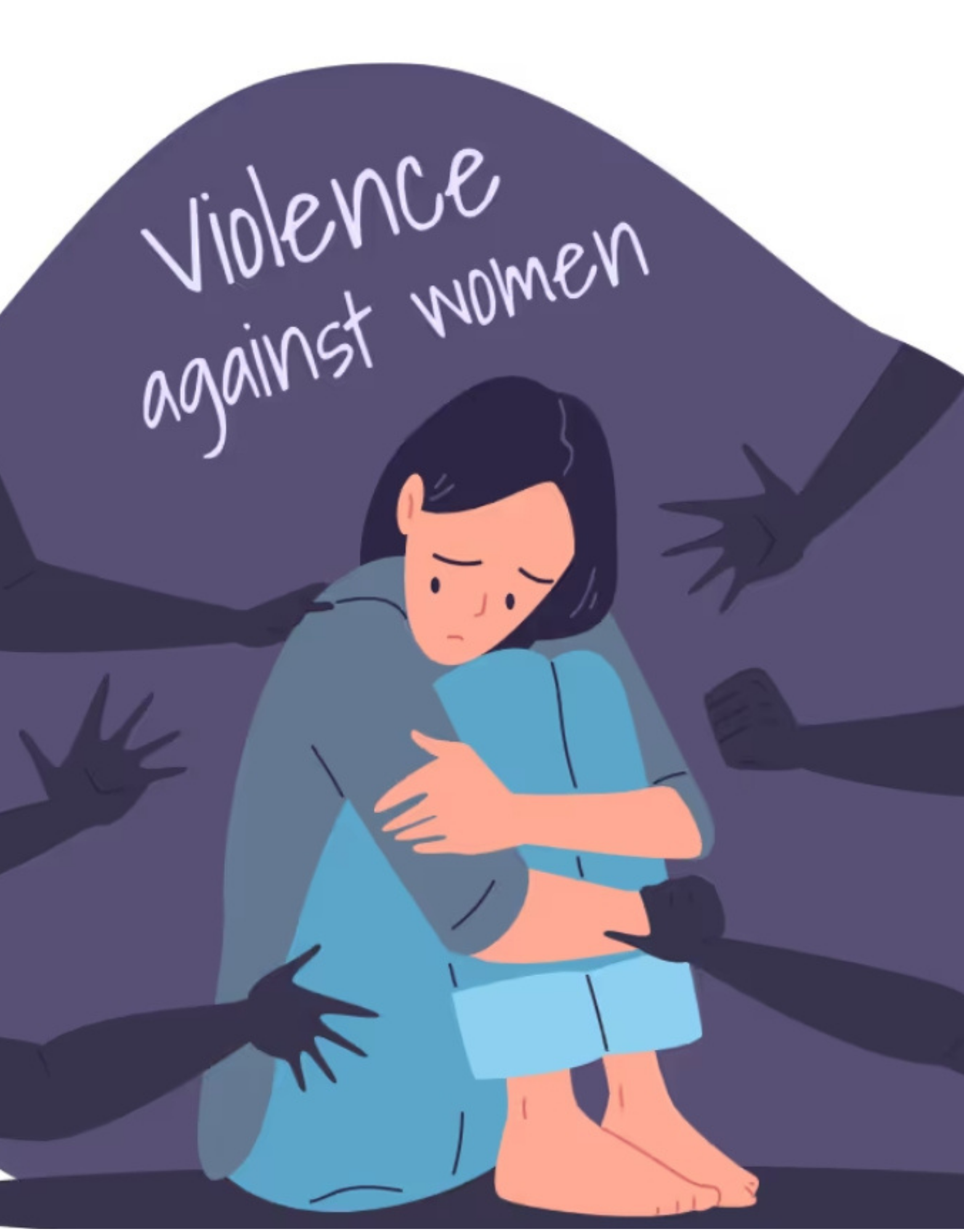
Disturbing videos and testimonies emerging from the event revealed scenes of chaos, women chased, assaulted, stripped of dignity in public spaces where they should have been safe. In the days that followed, debates erupted. Some dismissed the narrative as exaggerated, pushing back against the label of a “rape festival.” Authorities pointed to the absence of formal reports of rape, even as they acknowledged incidents of harassment and assault.
Yet beyond the arguments over terminology lies a more pressing truth: something deeply broken was exposed.
The Fragile Line Between Culture and Harm
Culture, at its best, is a living archive. It tells us who we are, where we come from, and what we value. Festivals, in particular, are meant to preserve this identity, binding communities together through shared memory and meaning. But culture is not beyond questioning.
When traditions become environments where violence is normalized or dismissed, they stop being expressions of identity and begin to operate as shields protecting harmful behavior under the guise of heritage.
In Ozoro, the question is no longer whether a line was crossed. It is why that line was ever allowed to blur. Because no cultural expression should require the discomfort, fear, or violation of others to sustain itself.
A Nation of Faith, A Crisis of Action
Nigeria’s public life is deeply shaped by faith. Churches fill on Sundays. Mosques echo with prayer. Scripture and devotion arewoven into everyday conversation. And yet, moments like this reveal a troubling paradox. If faith is as central to society as it appears, why does it so often fall silent in moments that demand moral clarity?
Faith, in its truest form, is not passive. It does not observe injustice from a distance. It confronts it. It protects. It insists on dignity. To claim faith while ignoring harm is to reduce belief to performance visible in ritual, but absent in responsibility.
The Weight of its Silence
Perhaps the most telling response to the Ozoro incident has been the quiet that followed. Officials noted that no formal complaints had been filed. But silence, especially in cases of sexual violence, is rarely neutral. It is often shaped by fear, fear of not being believed, fear of stigma, and fear of traumatization.
In many communities, victims are asked to endure rather than expose. To protect reputations rather than seek justice. To forgive before they have even been heard. Faith spaces, which should offer refuge, sometimes unintentionally reinforce this silence, prioritizing harmony over truth, forgiveness over accountability.
Where Faith and Culture Collide
Ozoro sits at a difficult intersection where deeply held traditions meet equally powerful religious identities. Ideally, faith should act as a moral compass within cultural spaces, challenging anything that diminishes human dignity. It should ask hard questions. It should refuse to coexist comfortably with harm.
But when faith chooses accommodation over accountability, it loses its prophetic voice. And when culture resists reflection, it risks becoming stagnant, preserved not because it is right, but because it is familiar. The result is a dangerous middle ground where neither faith nor culture fully protects the vulnerable.
Reimagining Responsibility
What happened in Ozoro is not an isolated moment. It is part of a broader pattern, one that calls for more than outrage and calls for reexamination. Communities must begin to ask: What are we normalizing in the name of tradition? Who is being protected and who is being ignored? What does our faith require of us in moments like this?
Religious leaders, in particular, hold significant influence. Their voices can either challenge harmful norms or quietly sustain them. In times like this, neutrality is not an option.
Beyond the Outrage
Outrage is immediate. It trends. It fades. But transformation is slower and far more demanding. It requires:
- Systems that make it safe for victims to speak
- Cultural conversations that are honest, not defensive
- Faith communities willing to confront uncomfortable truths
- Accountability that is visible and consistent
- Without these moments, like Ozoro, risk becoming just another cycle of shock, debate, silence, and then forgetting.
The Mirror We Cannot Ignore
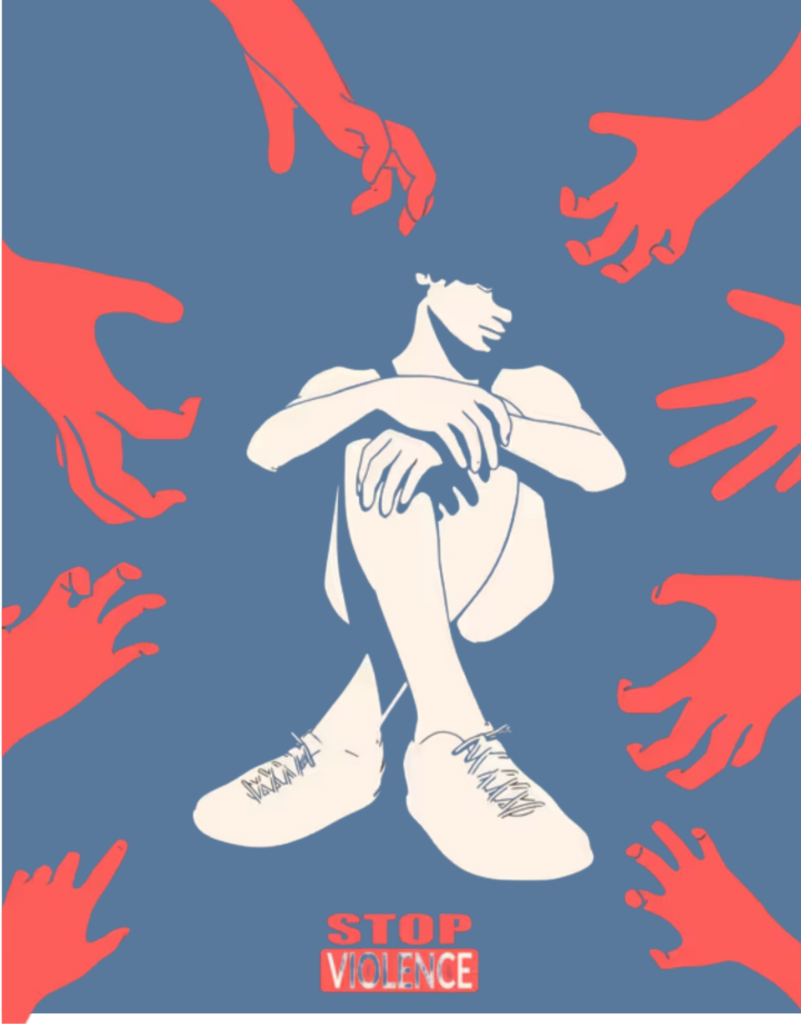
Ozoro is not just a place; it is a reflection of our society.
It reflects the gap between what we claim to believe and how we respond when those beliefs are tested. It reveals the tension between preserving identity and protecting humanity.
And it leaves us with a question that lingers long after the headlines fade: What does it mean for women in communities that constantly fail to protect their faith, if dignity is not defended when it matters most?