By Francisca Sinjae
Women are often taught that they must be everything at once. Successful but not intimidating. Healthy but effortless. Ambitious but nurturing. Independent but always available. Somewhere between these competing expectations, many women begin to treat wellness as another achievement to pursue rather than a way to care for themselves.
For Anna Reyes, true wellbeing begins with letting go of that pressure.
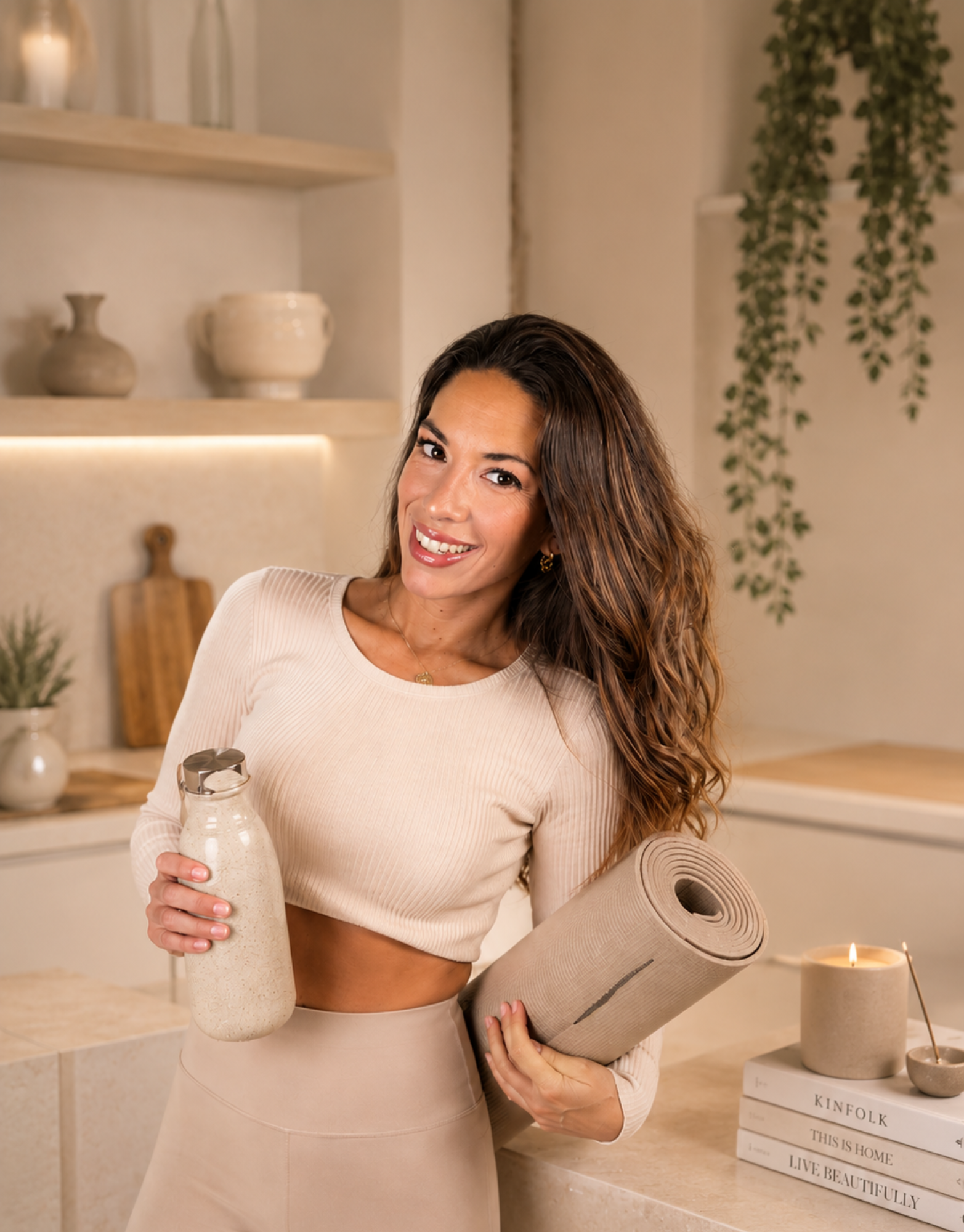
A wellness advocate, yoga teacher, social educator, and founder of Anna Real Food, Reyes has built a community around a refreshingly simple idea: wellness is not about doing everything perfectly. It is about creating balance between nourishment, movement, rest, and self-understanding.
Her perspective is shaped not only by her work in wellness but also by her experiences observing how women navigate expectations around beauty, food, caregiving, and success. Having grown up surrounded by diet culture and later working closely with young people and vulnerable communities, she understands that many of the pressures women carry begin long before adulthood.
In this conversation with Raising Women Magazine, Anna reflects on the myths women inherit, the relationship between food and self-worth, the emotional side of wellbeing, and why learning to embrace imperfection may be one of the healthiest things a woman can do.
Question: Wellness has become one of the most talked about topics in recent years, yet many people still feel overwhelmed by it. In your view, what does wellness actually mean, and how has your understanding of it evolved over time?
For me, wellness is about balance between different areas of life. I consider nutrition, movement or training, and rest to be the most important pillars. When one of these is out of balance, overall wellbeing is affected.
I also rely on Maslow’s hierarchy of needs, which helps us understand how human needs are structured: from basic physiological needs, to safety, belonging, esteem, and finally self-actualisation. In my view, this order is key to building true and sustainable wellbeing.
Over time, my understanding of wellness has evolved significantly. I used to believe I had to do everything perfectly in order to be well, but now I understand that this is not wellness, it is constant self-pressure. True wellbeing also includes allowing yourself not to do everything perfectly all the time, without guilt or self-punishment.
Question: Food plays a central role in your platform. Beyond nutrition, what relationship do you believe people should strive to have with food, especially in a culture that often swings between restriction and excess?
From a very young age, I grew up in a diet-focused culture, especially within the female members of my family. I remember how many people counted calories, restricted foods, and lived with fear of gaining weight. In my home, foods such as legumes, bread, pasta, and potatoes were often avoided due to their carbohydrate content.
For years, I internalised this mindset until I realised that these foods are not only not the problem, but actually essential for good health. Excessive restriction often leads to increased anxiety, food obsession, and a disconnection from the body’s natural signals.
For me, a healthy relationship with food is based on flexibility and balance. In general, I prioritise whole, minimally processed foods, but I also believe there is space for more processed or less “nutritious” foods within a normal, healthy diet, without guilt. The foundation is what matters most: ensuring an adequate intake of protein, healthy fats, and quality carbohydrates, adapted to each individual.
In a digital world filled with trends, advice, and constant comparison, what do you think people are truly searching for when they pursue wellness?
Today there is an overwhelming amount of information in the fields of nutrition and wellness. Every day we are exposed to contradictory messages: vegan diets, keto, fasting, theories about endocrine disruptors, sunscreen debate, and if you try to follow everything, it can quickly become confusing and overwhelming.
I consider myself a very curious person and I enjoy listening to different perspectives, even when they contradict each other. However, I believe many people are looking for a single answer or someone who can solve everything for them.
The truth is that there is no one-size-fits-all approach, because every body is different. What works for one person may not work for another. That is why I believe the key is conscious experimentation: trying things, observing how your body responds, and learning from that experience.
It is also important to remember that instead of relying solely on what we read online, it can be very valuable to seek guidance from qualified health or wellness professionals who can provide personalised, evidence-based support. Sometimes real change begins when we stop looking for quick, external answers and instead trust proper, individualised advice.
I would especially encourage women to reconnect with their own intuition and body signals, rather than relying exclusively on what they read online.
We often hear about physical health, but wellness is equally emotional and mental. How do you nurture your wellbeing beyond what people see on social media?
In addition to being a yoga teacher and content creator, I am a social educator. I have worked in prisons and in centres with young people in very complex situations. These experiences have given me a deep understanding of human behaviour and emotional regulation, both in oneself and towards others.
One of the most transformative things for me, although it may sound simple, has been learning to identify my emotions. We are often asked how we are and we respond with “good” or “bad”, but we rarely know how to name what we are actually feeling.
Learning to recognise, understand, and manage emotions completely changes the way you relate to yourself and to others. When you don’t understand what is happening inside you, it is much easier to react from stress or discomfort.
Caring for the mind is just as important as caring for the body. For me, emotional wellbeing is a fundamental part of overall health.
Many women find themselves caring for careers, families, relationships, and responsibilities while neglecting their own wellbeing. What practical habits or mindset shifts have helped you maintain balance in your own life?
I have often found myself in the “superwoman” mindset, and I know many women can relate to this. From a young age, we are taught that we can do everything, but without boundaries this belief can lead to significant physical and emotional exhaustion.
What has helped me most is organisation. I work a lot with to-do lists, separating tasks into urgent, important, and interesting. Urgent tasks must be done immediately; important tasks need to be done but are not time-sensitive; and interesting tasks are things I would like to do but are not priorities.
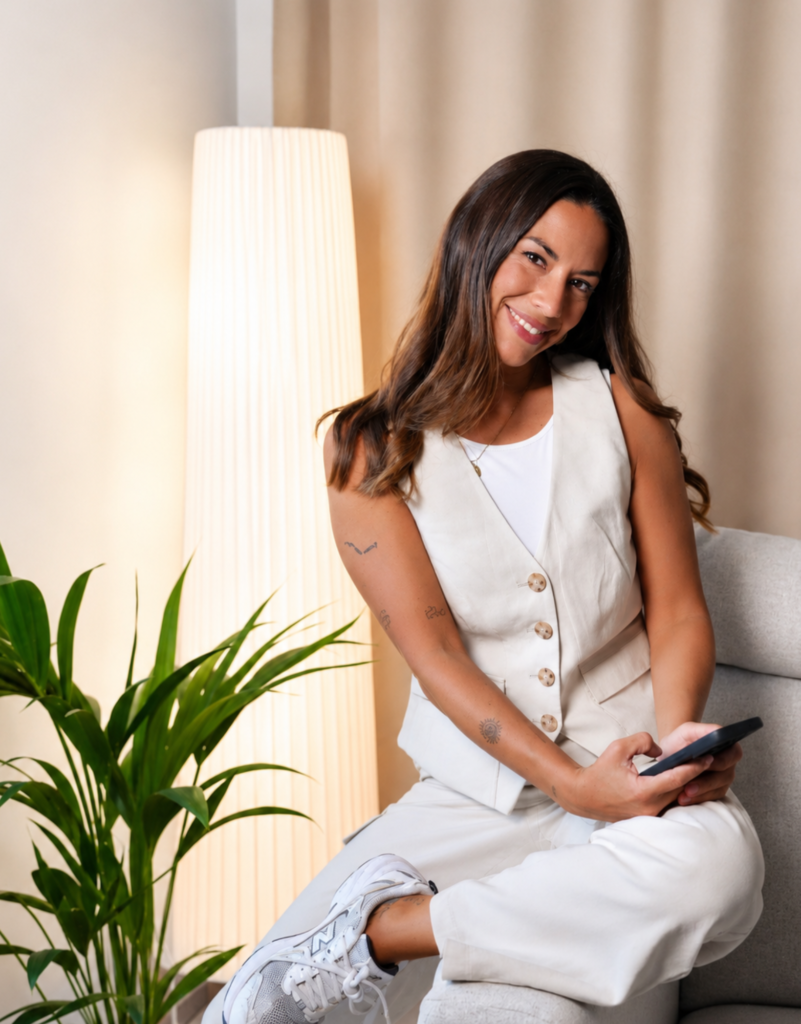
I have learned that we can do everything, but not all at once. When you organise your time consciously, you become not only more productive, but also calmer and more balanced in your daily life.
“This year, RWI is exploring the First Daughter Agenda as a new way of thinking about women’s rights. From your perspective, how do cultural norms and family expectations shape the lives of girls who carry early responsibilities, whether by birth order or circumstance?”
From my personal experience, both personally and professionally, I believe that from a very early age, women are often held to higher expectations than men. There is an implicit expectation to be beautiful, intelligent, responsible, well-educated, calm, patient, and empowered, while at the same time being caring, nurturing, and capable of managing the home, relationships, and eventually motherhood. It becomes a very long and often contradictory list of demands.
I believe this pressure gives rise to the concept of the “superwoman”: the idea that women must be able to do everything, all at once, without showing exhaustion or failure. However, in reality, many women live this expectation from a place of overwhelm and a constant feeling of not being enough.
In my experience as a social educator, working with children and teenagers between the ages of 3 and 16, I have observed clear differences in early education and socialisation. From a very young age, girls are often encouraged, consciously or unconsciously, to be compliant, caring, tidy, responsible, and emotionally restrained. Even in the types of toys and play activities offered to them, there is often an emphasis on caregiving, domestic roles, or being “helpers”.
On the other hand, boys are more frequently encouraged towards competitiveness, independence, action, risk-taking, and, in many cases, less emotional expression. It is also more socially accepted for them to take up space, leadership roles, and visibility, while girls are more often rewarded for obedience, adaptability, and harmony.
I believe these early differences in upbringing have a profound impact on identity formation and on how women and men relate to themselves and to the world around them.
For this reason, I consider early education one of the most powerful tools we have to achieve true equality. It is not only about equal opportunities in adulthood, but about rethinking the messages we pass on from the very beginning, so that future generations can grow up with less pressure, more freedom, and a healthier balance between what is expected of them and who they truly want to become.