By Emmanuella Abraham
There is no shortage of wellness advice in today’s world. Open social media and you will find countless morning routines, supplement recommendations, productivity hacks, and aesthetic interpretations of what it means to be ‘well’. Yet beneath the curated images and carefully packaged trends, many women are quietly navigating burnout, emotional exhaustion, the pressure to constantly perform, and the challenge of caring for everyone but themselves.
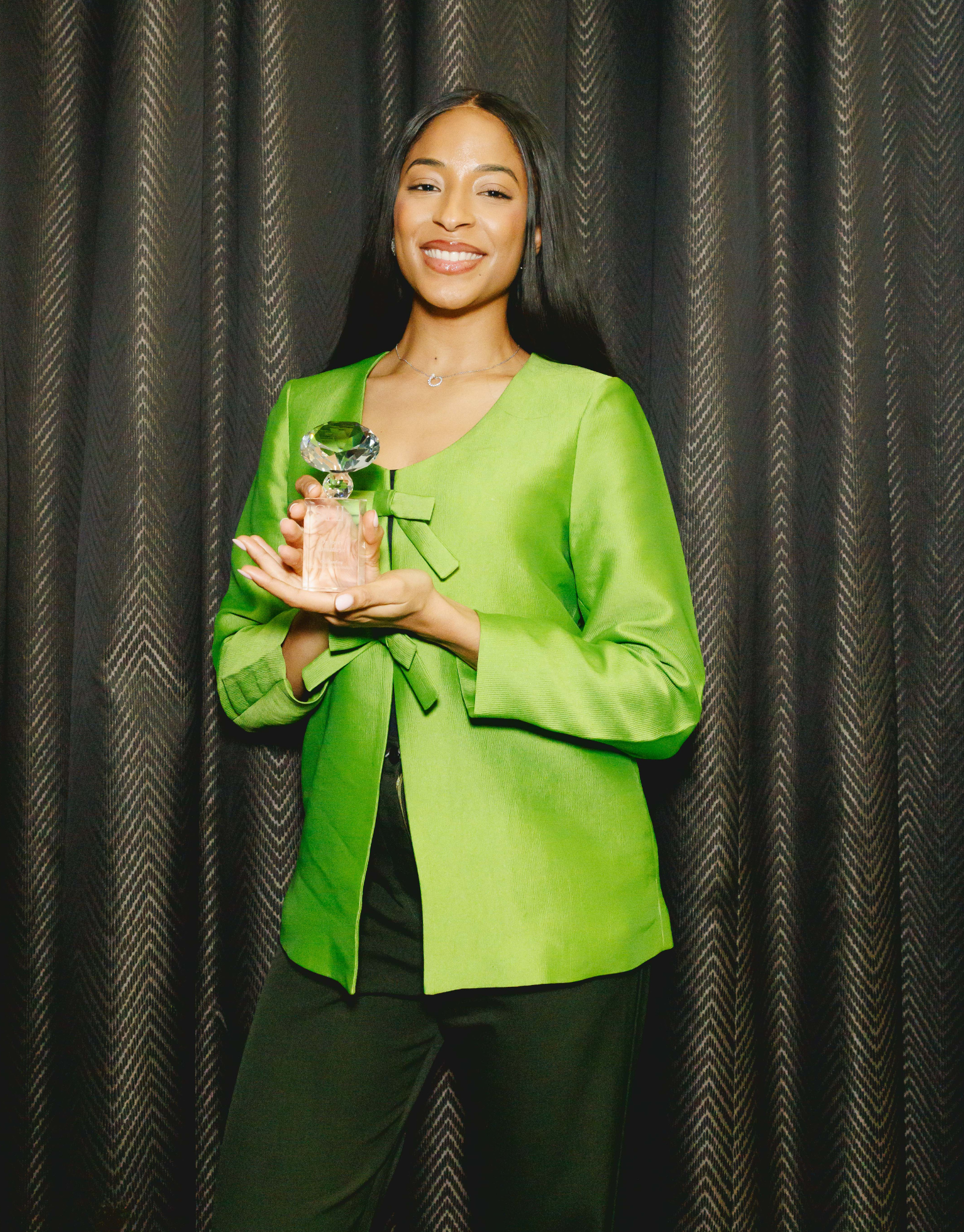
For Dr. Joyce Omatseye, wellness has always meant something deeper.
As the Founder of Aranini Health, she has built communities and conversations centred on evidence-based healthcare, emotional wellbeing, human connection, and the belief that healing should be accessible, intentional, and free from judgement. Her work invites women to move beyond perfection and towards sustainability, reminding us that rest is not a reward to be earned after depletion, but an essential part of living well.
What makes Dr. Omatseye’s approach particularly compelling is its humanity. She understands that health is not experienced in isolation. It is shaped by culture, relationships, responsibilities, and the often invisible expectations women carry every day. Through Aranini Health, she has created spaces where women can ask difficult questions, seek trusted information, and discover that they do not have to navigate their wellbeing alone.
In this conversation for Raising Women Magazine’s Wellness Issue: Healing, Humanity & Wholeness, Dr. Omatseye reflects on burnout, community, rest, emotional safety, and the everyday choices that shape our health. Thoughtful and practical in equal measure, her reflections offer a timely reminder that healing is not a destination or a performance. It is an ongoing practice of caring for ourselves and one another.
The responses that follow are presented exactly as shared by Dr. Joyce Omatseye.
Our June issue explores the theme “Healing, Humanity & Wholeness.” In today’s world, what does true wellness mean to you beyond the surface-level ideas often presented online?
In today’s world, true wellness goes far beyond the surface-level ideas we often see online. For me, wellness isn’t just one thing, it’s a combination of many different aspects of our lives. It includes our physical, mental, emotional, social, spiritual, intellectual, and occupational wellbeing. Sometimes online, we focus heavily on one area of wellness, but true wellness is much more holistic than that. At its core, wellness is about taking care of ourselves. It’s about prevention, self-awareness, and making choices that support our overall wellbeing.
While health is often viewed through the lens of disease, diagnoses, and medical conditions, wellness is a continuous, proactive process. It’s about the daily habits and practices that help us thrive. That includes going to your doctor, attending screening appointments, and keeping up with routine health checks. But it also includes exercising, nourishing your body, getting enough rest, maintaining meaningful relationships, spending time with family and friends, pursuing activities that bring you joy, and creating space for personal growth. Wellness is not a destination – it’s an ongoing commitment to making choices that support your health, happiness, and quality of life as a whole.
Through Aranini Health, you have created spaces centred on women’s wellbeing and intentional living. What initially inspired you to build a wellness community specifically for women?
What initially inspired me to start Aranini Health were the conversations I was having with my friends and family. Growing up, I was the only medical student and later the only doctor, in my friendship circles and family. As a result, I was constantly being asked questions about health, wellbeing, fertility, and navigating the healthcare system.
Through those conversations, I began to recognise just how many gaps existed—not only in knowledge, but also in access to trusted expertise and safe spaces to ask questions. I wanted to create a space where people could feel comfortable having honest conversations about their health with the right healthcare professionals and experts.
I especially wanted women to have access to evidence-based information in an environment that felt welcoming, supportive, and free from judgement. I thought to myself, if the women in my own community were craving these conversations and this sense of connection, there must be many others who felt the same way. That’s really where Aranini Health began. Since then, we’ve been fortunate to build a thriving community and host events across six countries, creating spaces where women can learn, connect, and feel empowered to take charge of their health.
Many women today are navigating burnout, overstimulation, emotional exhaustion, and pressure to constantly perform. What do you think women are silently struggling with the most right now?
I think many women are carrying an immense amount of pressure, both externally and internally. Externally, there are expectations around career success, relationships, family responsibilities, finances, and appearance. Internally, there’s often pressure we place on ourselves to achieve more, do more, and constantly strive for the next milestone.
Comparison, particularly in the age of social media, can intensify those feelings and make it difficult to recognise our own progress. One of the biggest challenges I see women silently struggling with is burnout.
Many people are experiencing emotional exhaustion, chronic stress, and overwhelm without fully recognising the signs or knowing when it’s time to slow down and ask for help. This is something I’m particularly passionate about because ambitious women often believe they have to keep pushing through no matter how they feel. But prioritising your health isn’t a sign of weakness, it’s essential. We need to better understand the signs of burnout, create space for rest, and recognise that asking for support is a strength, not a failure. Ultimately, success should never come at the expense of our wellbeing.
Wellness is often marketed as luxury, aesthetics, or productivity. How do we begin to shift conversations toward wellness as care, balance, emotional safety, and sustainability?
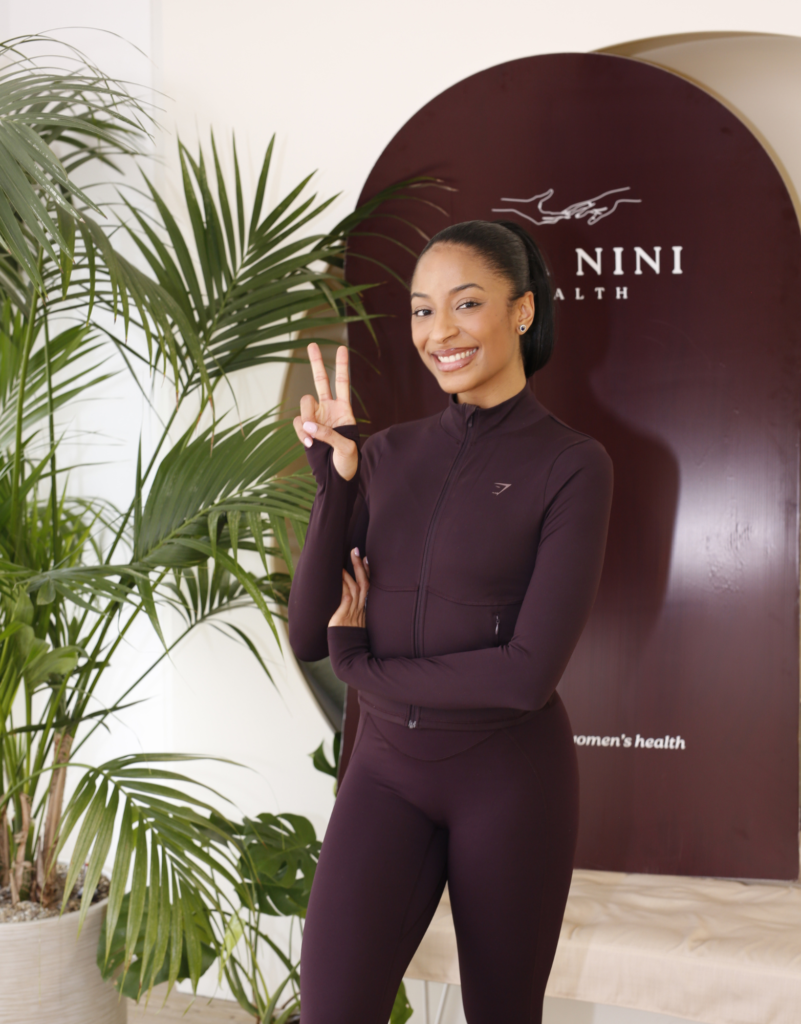
I think we need to return to the true purpose of wellness, which is improving our health and overall wellbeing. Wellness isn’t an aesthetic, a trend, or a performance. It’s not about having the perfect routine or following what everyone else is doing online. At its core, wellness is about understanding what helps you sustainably take care of yourself and live a healthier, more balanced life.
What works for one person may not work for another. That’s why it’s important to move away from comparison and focus instead on building habits and practices that genuinely support our physical, mental, emotional, and social wellbeing. We need more honest conversations about what wellness really looks like.
Sometimes wellness is exercise and healthy eating. Other times it’s setting boundaries, getting enough sleep, spending time with loved ones, attending therapy, or simply taking a break when you need one. The goal isn’t perfection, it’s sustainability. Wellness should be accessible, realistic, and centered around helping people thrive in ways that work for them.
As a medical doctor and wellness founder, how do you personally balance scientific healthcare with emotional, cultural, and holistic approaches to wellbeing?
As a doctor, I value scientific, evidence-based healthcare deeply. But I’ve also learned that health is not experienced in isolation—it is emotional, cultural, and deeply personal. There is so much misinformation online, so it is important to always ground conversations in accurate medical knowledge. However, information alone is not enough. It has to be communicated in a way that is relatable, accessible, and culturally sensitive to the people you are speaking to. A holistic approach means seeing the person in front of you as a whole, mind, body, and environment. Not just focusing on one symptom or one diagnosis, but understanding the full context of their life.
In many communities, conversations around mental health, rest, and emotional wellbeing are still stigmatised. What cultural shifts do you believe are necessary for people, especially women, to truly prioritise their health without guilt?
One of the biggest cultural shifts we need is moving away from the idea that wellbeing is measured by how much we endure, sacrifice, or carry for others. In many communities, strength is often associated with resilience and self-sacrifice, especially for women. While resilience is valuable, it should not come at the expense of rest, healing, or seeking support. We need to normalise the idea that health is not a luxury, it is a necessity. Therapy should not be seen as weakness, rest should not be seen as laziness, and boundaries should not be interpreted as selfishness. Representation also matters. When leaders, healthcare professionals, and community figures speak openly about burnout, stress, or seeking help, it helps to reduce stigma and gives others permission to do the same.
Building something impactful often requires emotional labour, consistency, and resilience. What has this journey taught you personally about rest, healing, and self-preservation?
Building something meaningful has taught me that passion is not enough, you also need sustainability. When you care deeply about a mission, it is easy to feel like every opportunity must be taken. But I’ve learned that without intentional rest, you eventually lose clarity, creativity, and energy. Rest is not something I now see as a reward after hard work, but as a prerequisite for doing good work. Some of my best ideas and clearest decisions have come when I’ve stepped back and allowed myself to pause. I’ve also learned the importance of support systems. You cannot build anything impactful alone. Asking for help and working as part of a team is not a weakness, it is essential for longevity. Ultimately, impact is not just about what you build, but how you build it, and whether you are able to sustain yourself while doing so.
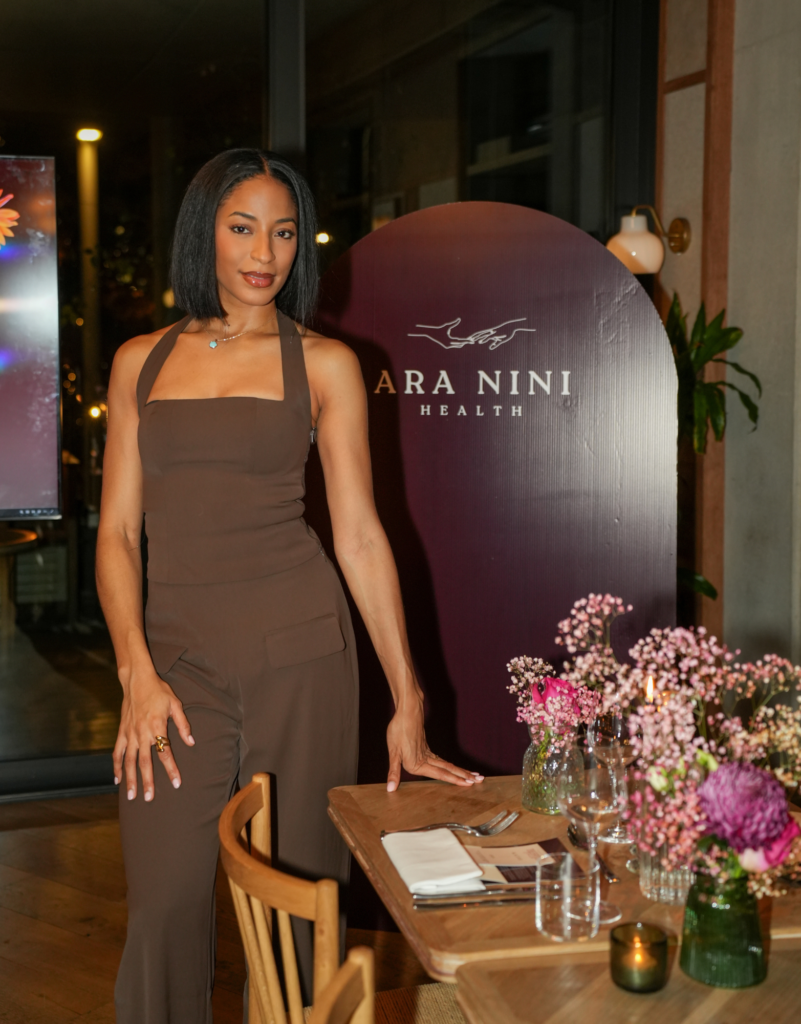
Wellness can sometimes feel individualistic, but healing is often collective. What role do friendship, community, and shared experiences play in emotional Wellbeing?
Community is everything to me. While personal practices like exercise, reflection, and therapy are important, some of the deepest healing happens in connection with others. Friendship creates a space where we can be fully ourselves without judgement, and where being seen and heard can be profoundly healing. In many cultures, including my Nigerian background, community is central, we gather to celebrate, to grieve, and to support one another. That shared experience is powerful, especially in difficult moments. With ARANINI Health, I’ve seen firsthand how transformative it is when people realise they are not alone. Whether it is conversations around mental health, fertility, or general wellbeing, there is immense comfort in shared experience. For me, true emotional wellbeing exists in both personal care and collective support. Healing is not only about recovery, it is about belonging.