Spotlighting Remarkable Women and Girls

Did You Know? Kung Fu Nuns in Nepal Promote Gender Equality

By Daniel Agusi

Buddhism, often associated with principles of compassion and equality, has a complex history regarding gender roles within its monastic communities. While the teachings of the Buddha advocate for liberation for all beings, the institutional structures have not always reflected this inclusivity. In many Buddhist traditions, nuns, or bhikkhunis, face systemic challenges that hinder their full participation and recognition within the monastic hierarchy.

Historical Context

The journey of women in Buddhism traces back to Mahāprajāpatī Gotamī, the Buddha’s foster mother and maternal aunt. She was the first woman to request ordination from the Buddha, eventually becoming the first bhikkhuni. Her determination paved the way for women’s inclusion in the monastic community, albeit with additional rules and restrictions compared to their male counterparts. These foundational disparities have had lasting impacts on the status of nuns in various Buddhist traditions.

Contemporary Challenges

In several Theravāda Buddhist countries, such as Thailand and Myanmar, the full ordination of women remains a contentious issue. For instance, in Thailand, women seeking full ordination often have to travel abroad, as the local monastic authorities do not recognize bhikkhuni ordination. Upon returning, these women frequently face societal and institutional resistance, limiting their roles within the religious community.

Similarly, in the Tibetan Buddhist tradition, women can become novice nuns but are often denied full ordination. Venerable Karma Lekshe Tsomo, a prominent advocate for gender equity in Buddhism, has highlighted the persistent resistance to fully integrating women into the monastic hierarchy.

Efforts Towards Equality

Despite these challenges, there have been significant strides towards gender equality within Buddhist communities. In Sri Lanka, the bhikkhuni ordination lineage has been revived, allowing women to pursue full ordination and participate more actively in monastic life.

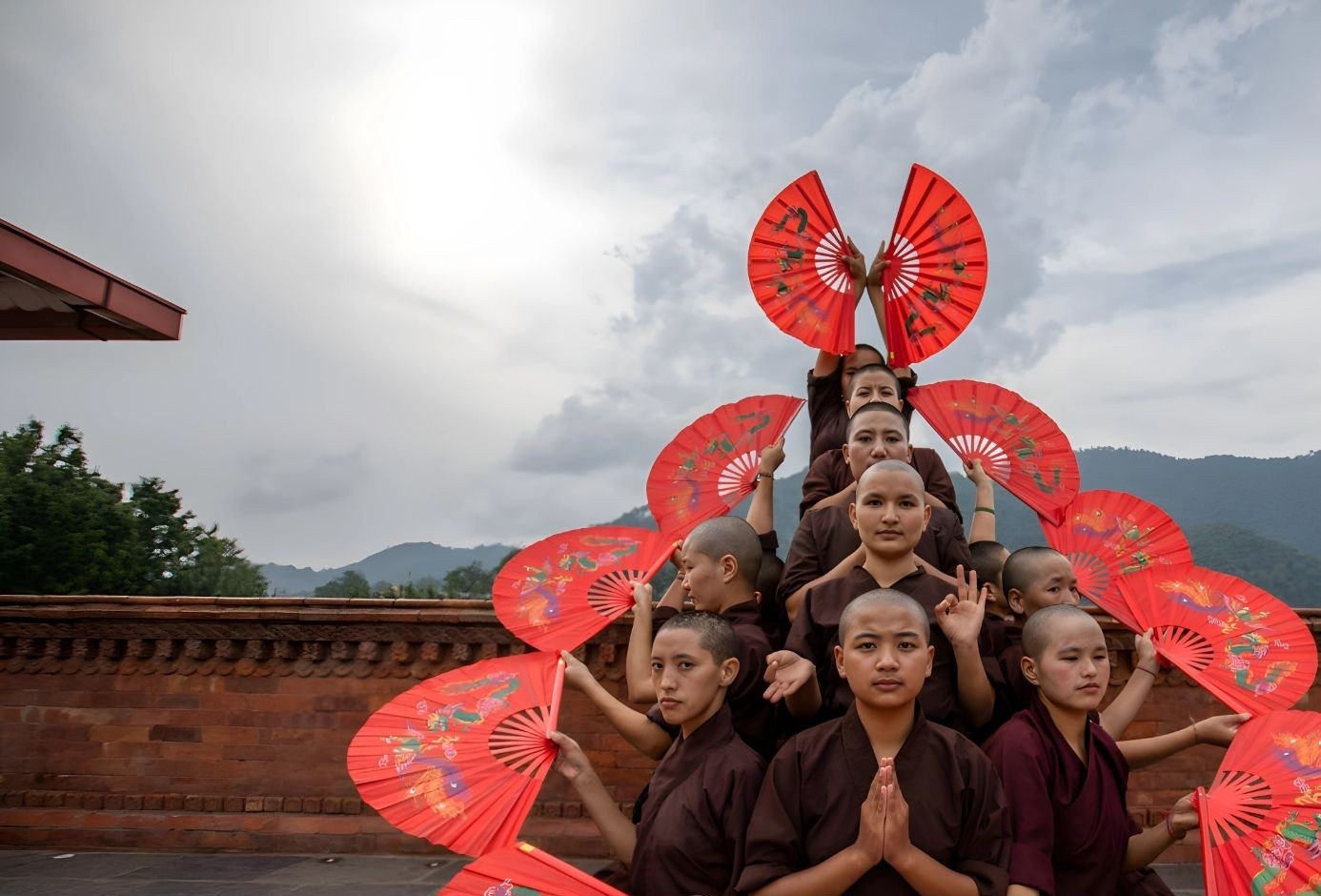
Moreover, innovative approaches to empowerment are emerging. The Druk Amitabha Monastery in Nepal is home to the “Kung Fu Nuns,” a group of women who combine spiritual practice with martial arts training. These nuns engage in community service, disaster relief, and environmental activism, challenging traditional gender roles and demonstrating the evolving role of women in Buddhism.

Conclusion

The path towards equal recognition for Buddhist nuns is ongoing, marked by both historical precedents and contemporary efforts. While institutional barriers persist, the resilience and determination of women within the Buddhist tradition continue to inspire change. As the global community becomes more aware of these disparities, there is hope for a more inclusive and equitable future for all practitioners.

Share:

Trending

Raising Women Magazine Issue 045 – June 2026

There is a difference between living and merely functioning.
Somewhere between the notifications, deadlines, responsibilities, ambitions, and endless demands of modern life, many of us have become exceptionally good at keeping going. We show up. We deliver. We carry. We cope. Yet beneath the appearance of productivity, an important question remains: are we truly well?
In this issue of Raising Women Magazine, we explore wellness not as a trend, but as a deeper conversation about humanity, health, purpose, and presence.
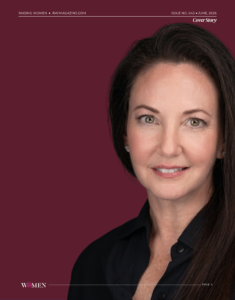
Our cover feature introduces Dr. Heidi Beilis, a pioneering physician helping to shape the future of healthcare through artificial intelligence. Her work reminds us that innovation is at its best when it serves people, particularly women whose lives may be transformed by earlier diagnoses and better outcomes.
Elsewhere, we explore grief, ambition, beauty, leadership, healthspan, rest, and the invisible burdens many women carry. We ask difficult questions about what it means to thrive, not simply survive.
As I wrote in this issue’s Find Her Light column, sometimes the rest we need is not sleep. Sometimes it is space. Sometimes it is perspective. Sometimes it is permission.
May these pages offer all three.

Raising Women Magazine Issue 044 – May 2026

There is something deeply revealing about the way a society treats its children. Not just in policy or parenting, but in the stories it tells them, the spaces it creates for them, and the kind of world it quietly prepares them to inherit. In this Children’s Day edition, Raising Women Magazine turns its attention to childhood itself, not as a sentimental phase of life, but as the foundation upon which identity, confidence, memory, and humanity are built.

Our cover star, Ms. Rachel, represents a refreshing reminder that gentleness still matters in an age of noise. Through patience, intentionality, and emotional safety, she has transformed songs and screen time into a global classroom for millions of children and families.

Across this issue, we explore the emotional architecture of childhood, from the girls who learn too early to shrink themselves, to the children quietly carrying adult burdens before they fully understand their own. We also interrogate modern parenting, digital culture, family, safety, and the futures young people are already shaping.

Because childhood is never just preparation for life.

In many ways, it is life itself.

The Family Tree Divide

What Women Are Given, and What They Build By Sipho Khumalo Two women walk into the same room. One is recognised before she speaks. The

Your guide to IVF and egg freezing in Korea

Empowering your family planning journey with curated fertility treatments at lower costs. Get our guide for Korea’s leading clinics, pricing and service breakdown.

Recommended News

Raising Women Magazine Issue 045 – June 2026

There is a difference between living and merely functioning.
Somewhere between the notifications, deadlines, responsibilities, ambitions, and endless demands of modern life, many of us have become exceptionally good at keeping going. We show up. We deliver. We carry. We cope. Yet beneath the appearance of productivity, an important question remains: are we truly well?
In this issue of Raising Women Magazine, we explore wellness not as a trend, but as a deeper conversation about humanity, health, purpose, and presence.
Our cover feature introduces Dr. Heidi Beilis, a pioneering physician helping to shape the future of healthcare through artificial intelligence. Her work reminds us that innovation is at its best when it serves people, particularly women whose lives may be transformed by earlier diagnoses and better outcomes.
Elsewhere, we explore grief, ambition, beauty, leadership, healthspan, rest, and the invisible burdens many women carry. We ask difficult questions about what it means to thrive, not simply survive.
As I wrote in this issue’s Find Her Light column, sometimes the rest we need is not sleep. Sometimes it is space. Sometimes it is perspective. Sometimes it is permission.
May these pages offer all three.

Raising Women Magazine Issue 044 – May 2026

There is something deeply revealing about the way a society treats its children. Not just in policy or parenting, but in the stories it tells them, the spaces it creates for them, and the kind of world it quietly prepares them to inherit. In this Children’s Day edition, Raising Women Magazine turns its attention to childhood itself, not as a sentimental phase of life, but as the foundation upon which identity, confidence, memory, and humanity are built.

Our cover star, Ms. Rachel, represents a refreshing reminder that gentleness still matters in an age of noise. Through patience, intentionality, and emotional safety, she has transformed songs and screen time into a global classroom for millions of children and families.

Across this issue, we explore the emotional architecture of childhood, from the girls who learn too early to shrink themselves, to the children quietly carrying adult burdens before they fully understand their own. We also interrogate modern parenting, digital culture, family, safety, and the futures young people are already shaping.

Because childhood is never just preparation for life.

In many ways, it is life itself.

The Family Tree Divide

What Women Are Given, and What They Build By Sipho Khumalo Two women walk into the same room. One is

First, Believe

By The Lulu They said the sky’s the limit But what if you’re still underground, still digging through the dirt