By Tom Wede
Every now and then, you come across a group of women who are not just building businesses, but quietly reshaping the way the world works. Not through noise or hype, but through clarity, purpose and execution. The 2026 fellows of the Cartier Women’s Initiative offer exactly that kind of reminder.
For nearly two decades, the Cartier Women’s Initiative has been identifying and supporting women entrepreneurs whose ideas go beyond profit. The programme focuses on founders tackling global challenges across sectors such as climate, education, healthcare and inclusion. Each year, a select group is chosen from different regions around the world, not just for what they have built, but for what their work represents.
This year’s North America fellows reflect a shift that is becoming harder to ignore. The most exciting businesses are no longer just about scale. They are about impact, access and the ability to solve problems that have been overlooked for far too long.
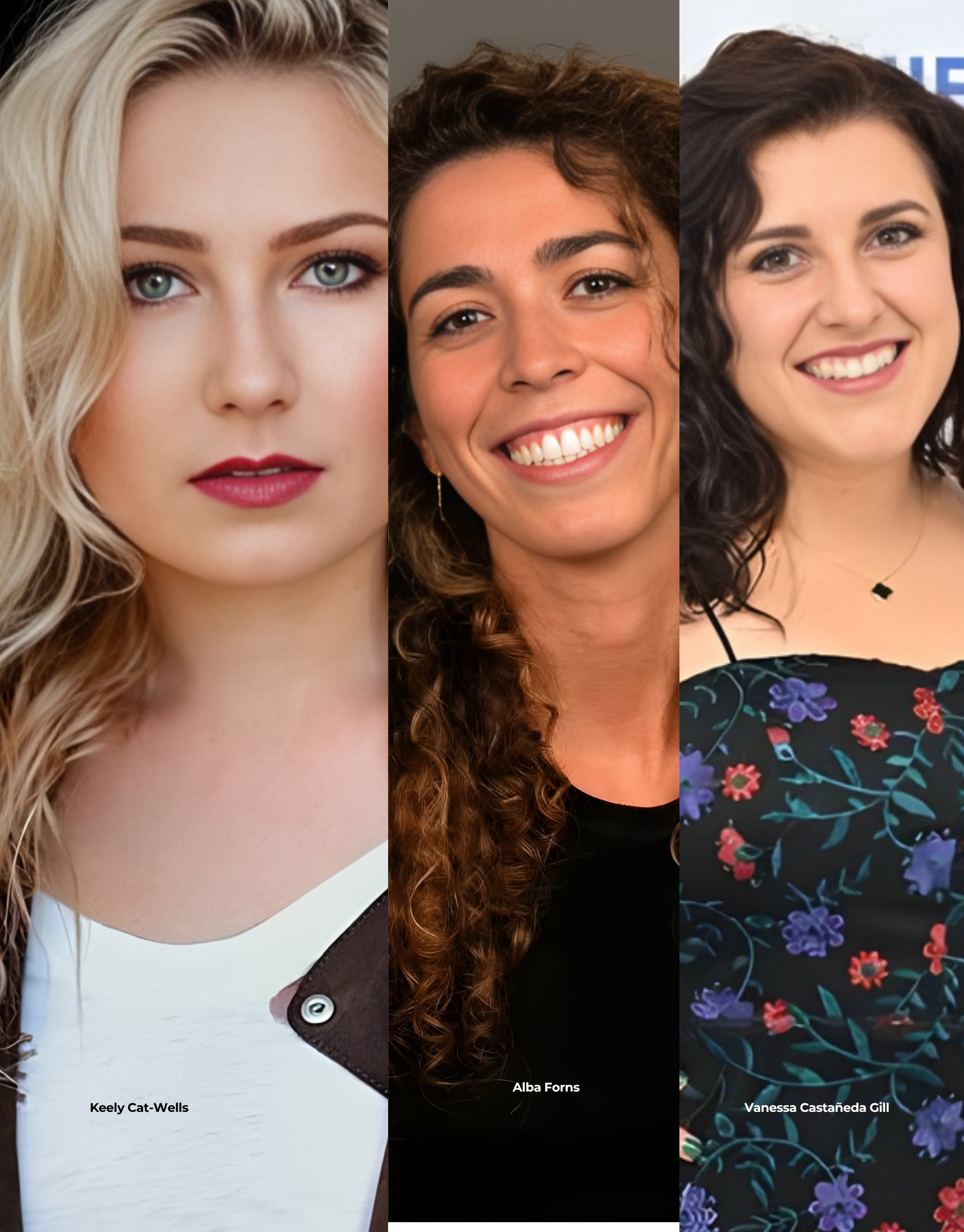
Take Keely Cat-Wells, founder of Making Space. Her work sits at the intersection of employment and inclusion, focusing on a group that has historically been excluded from mainstream hiring conversations. Making Space is a platform designed to help companies train, hire and retain disabled professionals. It addresses a gap that many organisations are only beginning to recognise, not just as a social issue, but as a missed economic opportunity.
In many parts of the world, people with disabilities face significantly higher unemployment rates, despite having the skills and qualifications to contribute meaningfully to the workforce. What Cat-Wells is building challenges that imbalance directly. It is not framed as charity. It is positioned as smart, necessary business.
Then there is Alba Forns, founder of Climatize.
Her platform focuses on one of the most urgent issues of our time: the climate crisis. But rather than approaching it from a purely policy or advocacy angle, Climatize introduces a financial solution. It enables everyday people to invest in clean energy projects, opening up access to a space that has traditionally been reserved for large institutions.
What this does is simple but powerful. It turns passive concern into active participation. Instead of asking people to care about climate change, it gives them a way to be part of the solution. In doing so, it also highlights a broader shift in how financial systems are evolving to become more inclusive and purpose-driven.
Vanessa Castañeda Gill, founder of Social Cipher, brings a different but equally important perspective.
Her work focuses on neurodivergent children, a group that is often underserved in traditional education systems. Social Cipher develops games and tools designed to support social and emotional learning, helping children better understand themselves and navigate the world around them.
The approach is intentional. By using play and storytelling, the platform meets children where they are, rather than forcing them into rigid systems that do not reflect their needs. It is a reminder that innovation is not always about new technology. Sometimes, it is about applying empathy in ways that make existing systems more human. What connects these women is not just the sectors they operate in, but the way they think about problems.
Each of them has identified a gap that many people either overlooked or accepted as normal. Instead of working around it, they chose to build directly into it. Their businesses are not side projects or passion ventures. They are structured, scalable solutions designed to shift entire systems over time.
There is also something to be said about how these stories are presented. The simplicity is intentional. A clear image. A name. A concise explanation of the problem being solved. No unnecessary complexity. It reflects a deeper understanding that when the work is strong, it does not need to be over-explained.
For readers and observers, the takeaway is not just inspiration. It is perspective. The future of business is being shaped by founders who are willing to engage with difficult, often uncomfortable realities. Disability inclusion. Climate responsibility. Neurodiversity. These are not trends. They are structural issues that require long-term thinking and commitment.
What the Cartier Women’s Initiative does well is bring these efforts into focus. It highlights not just what these women are doing, but why it matters. And perhaps that is the real point.
Progress does not always arrive in loud, visible waves. Sometimes, it shows up in focused, deliberate work that slowly changes the systems we rely on. The kind of work that, over time, becomes impossible to ignore. These women are doing that work.