By Francisca Sinjae
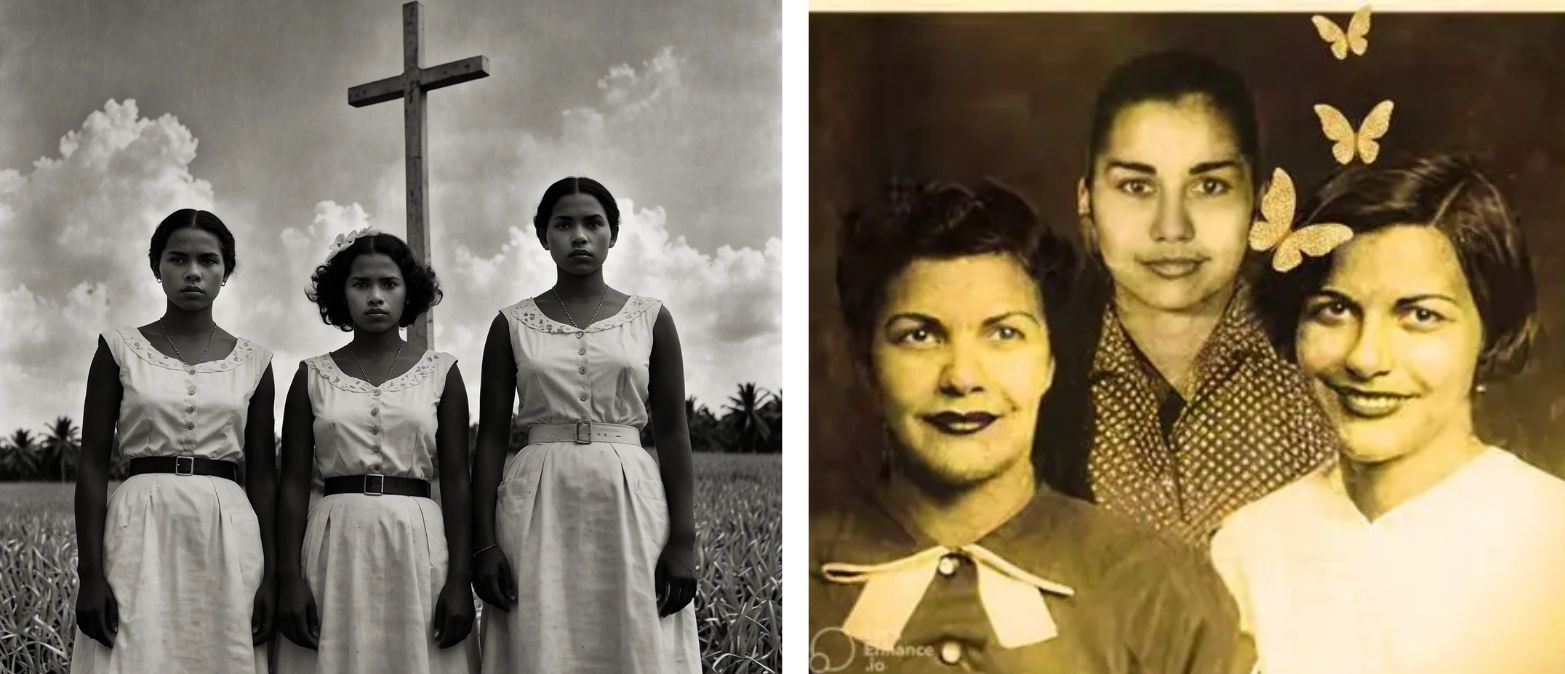
In every generation, there are women whose courage unsettles the powerful. Women whose voices ripple beyond their time, crossing borders, reshaping cultures, and inspiring movements. The Mirabal Sisters, Patria, Minerva, and María Teresa, belong to that sacred lineage. In the Dominican Republic, they were known as “Las Mariposas” The Butterflies. But history remembers them as something more: the women who dared to stand up to a dictator and paid with their lives, only to become eternal symbols of resistance.
Born Into Silence, Raised for Revolution:
The story of the Mirabal sisters did not begin in rebellion. It began in the quiet farmlands of Ojo de Agua, where they grew up in a loving home filled with dreams, books, and the kind of sisterhood that shapes destinies. Each sister carried a distinct fire:
- Patria, the eldest, was tender and spiritual, the kind of woman who believed that faith could be a form of resistance.
- Minerva, sharp and fearless, was the rebel heart of the family. She studied law, questioned authority, and moved through the world like someone who already understood that women could change it.
- María Teresa, the youngest, was soft-spoken but brilliant, finding her voice through her diary and growing into her own boldness through her sisters’ example.
They were ordinary girls shaped by extraordinary times.
The Dictatorship That Tried to Silence a Nation
Their country was under the iron grip of Rafael Trujillo, a dictator whose name carried fear in every corner. He controlled everything, power, wealth, truth, and even people’s bodies. Women were especially vulnerable under his regime, facing harassment, silence, and a world where saying “no” could cost you everything. But Minerva said “no.”
And that “no” changed the course of history.
Her refusal of Trujillo’s advances marked the family for persecution, but it also awakened something deeper, a collective courage. Together, the sisters joined the underground resistance movement, becoming leaders known as “Las Mariposas.” Their mission: to restore dignity, justice, and democracy to their country.
When Women Become the Revolution:
The Mirabal Sisters did not see themselves as heroes. They saw themselves as women who could not remain silent. They organized secret meetings, moved weapons under sacks of food, passed coded messages through trusted hands, comforted the fearful, and ignited the brave.
They used their voices at a time when a woman’s opinion was considered a threat. They used their intelligence at a time when female leadership was dismissed. They used their bodies, fragile, mortal, and human, as symbols of defiance.
They did not fight with guns, they fought with conviction. And conviction, under tyranny, is the purest form of rebellion.
November 25, 1960: The Day the Butterflies Rose
Their courage could not go unpunished. On November 25, 1960, while returning from visiting their imprisoned husbands, the three sisters were ambushed by Trujillo’s henchmen.
They were beaten. Strangled. Thrown off a cliff, along with their driver, to stage an “accident.”
But dictators often forget:
You can kill a woman, but you cannot kill her voice.
The murder of the Mirabal sisters sparked national outrage. Their death became the catalyst for the unraveling of Trujillo’s regime. A few months later, the dictator fell, but the butterflies had already flown into legend.
From a Small Caribbean Island to the World
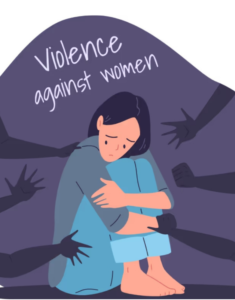
The courage of the Mirabal Sisters did not remain in the Dominican Republic. It transcended oceans and cultures. In 1999, the United Nations declared November 25 the International Day for the Elimination of Violence Against Women in their honor.
Today, women and girls from every continent commemorate their bravery. Their story is told in classrooms, in feminist circles, in human rights campaigns, and in every movement where a woman says: “This must end.”
Their symbol, the butterfly, has become a global emblem of resilience, transformation, and rebirth.
For Africa, and especially Nigeria, where girls navigate pressures, violence, cultural expectations, and limited protection, the legacy of the Mirabal Sisters becomes a mirror. It asks: What would happen if more women believed in the power of their voice?
Their Legacy: A Call to Today’s Generation
The Mirabal Sisters teach us that courage is not the absence of fear; it is the decision that something else is more important. They show us that women do not need permission to defend justice. They prove that sisterhood is one of the most powerful forces in any society.
For every girl reading this in the Raising Women Magazine, in a classroom, at home, or anywhere hope breathes, the Mirabal story carries one message:
Your voice is worth hearing.
Your life is worth protecting.
Your courage is worth remembering.
Like the butterflies, you too can rise, delicate yet unstoppable.