By Ifeoma Udu
I was scrolling through TikTok one night when I stumbled on a Black creator doing a deep dive into how modern medicine often overlooks women. He wasn’t a doctor or a researcher, just a curious guy asking honest questions. The way he broke it down made me pause. And the more I looked into it, the more it made sense.
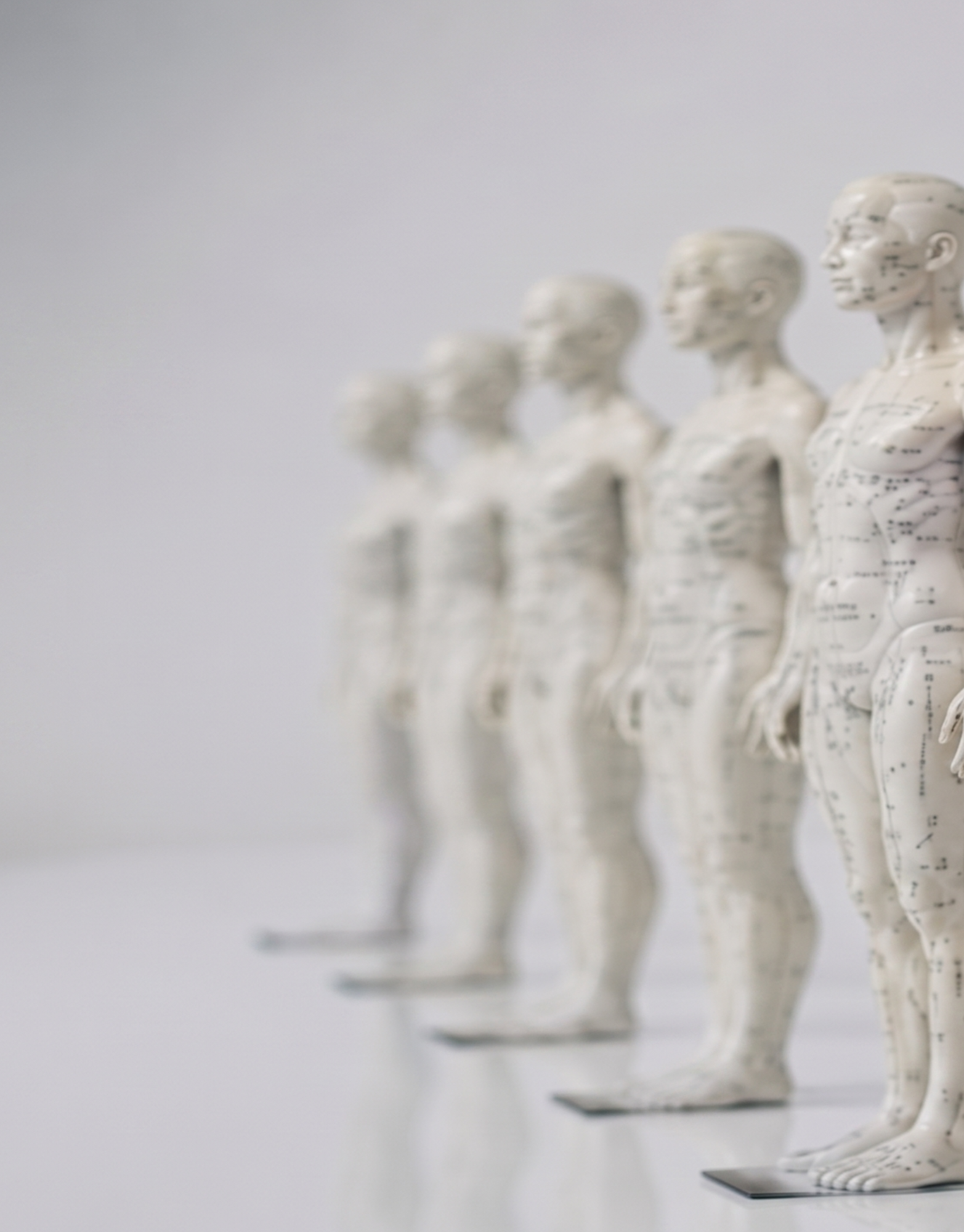
For most of modern history, medicine has been built around the male body. Clinical trials, product testing, and even the way diseases are diagnosed have largely treated men as the “standard.” Women were often excluded because researchers said our hormonal cycles made results “too complicated.” So instead of accounting for those differences, they just avoided them altogether. It wasn’t until 1993 that the U.S. National Institutes of Health required federally funded studies to include women. That’s shockingly recent.
The impact shows up everywhere. Women having heart attacks often experience nausea, fatigue, or jaw pain rather than the “classic” chest pain doctors were trained to recognize, because those classics were observed in men.
A 2019 study in The Journal of Pain found that women were more likely to be prescribed sedatives instead of painkillers, their pain coded as emotional rather than physical. Period products were tested with saline instead of actual menstrual blood for decades. And a 2004 study on endometriosis; a condition affecting one in ten women, spent its pages interviewing twelve men about their “psychological burden” of having partners with the disease. It’s a real publication in Human Reproduction. The pain of women, reframed through the feelings of men.
Conditions like endometriosis and PCOS still take years to diagnose. According to BMC Women’s Health, the average global delay for an endometriosis diagnosis is between seven and ten years. Nearly a decade of being told your pain is normal. Nearly a decade of being dismissed.
What’s telling is that this institutional dismissal doesn’t stay inside hospitals. It spills onto our timelines.
In Nigeria, when Temi Otedola announced her pregnancy and was photographed staying active, men online didn’t respond with admiration, they used her to shame other pregnant women. Why the weight gain? Why the fatigue? They weren’t asking with curiosity. They were asking with contempt. A woman’s body during one of its most physically demanding experiences was still expected to perform for the male gaze and any deviation framed as laziness rather than biology.
The same logic followed Bebe Rexha, who publicly documented her PCOS diagnosis. When her body changed visibly, the internet responded with ridicule, even after she named her condition and explained it.
And Selena Gomez, managing lupus after a kidney transplant, found her weight fluctuations (caused by immunosuppressant medication) dissected by tabloids. A woman navigating a serious illness in public, reduced to how she looked in a swimsuit.
From Lagos to Los Angeles, the pattern holds. Women’s bodies are simultaneously over-scrutinized and under-studied. Watched constantly. Understood rarely.
But something is shifting. A new wave of research and advocacy is pushing for gender-inclusive healthcare. Companies like NextGen Jane are using menstrual blood to detect conditions like endometriosis and cervical cancer, proof that centering women’s health data yields real results. And social media, for all its cruelty, has also become a catalyst. That TikTok creator who started my curiosity wasn’t an expert, but he sparked a conversation that medicine should have been having all along.
The problem was never just exclusion. It was invisibility. Women’s bodies were treated as deviations from a norm instead of a norm themselves. Fixing that means more than adding women to studies. It means rebuilding the systems, priorities, and assumptions from the ground up.
Women’s health isn’t a niche field. It’s half the population. And we deserve science and a world that sees us fully.