By Dr May
There is a peculiar irony at the heart of fashion. Some of the most iconic symbols of femininity were created by men. The red-soled heels of Christian Louboutin. The sculptural glamour of Yves Saint Laurent. The corseted fantasies of Christian Dior. The provocative sensuality of Gianni Versace. For decades, men have not merely designed for women, they have helped shape how femininity is seen, sold, and celebrated.
Which raises an intriguing question. Can someone who has never experienced life as a woman truly design for women? The answer, as fashion history suggests, is both yes and no.
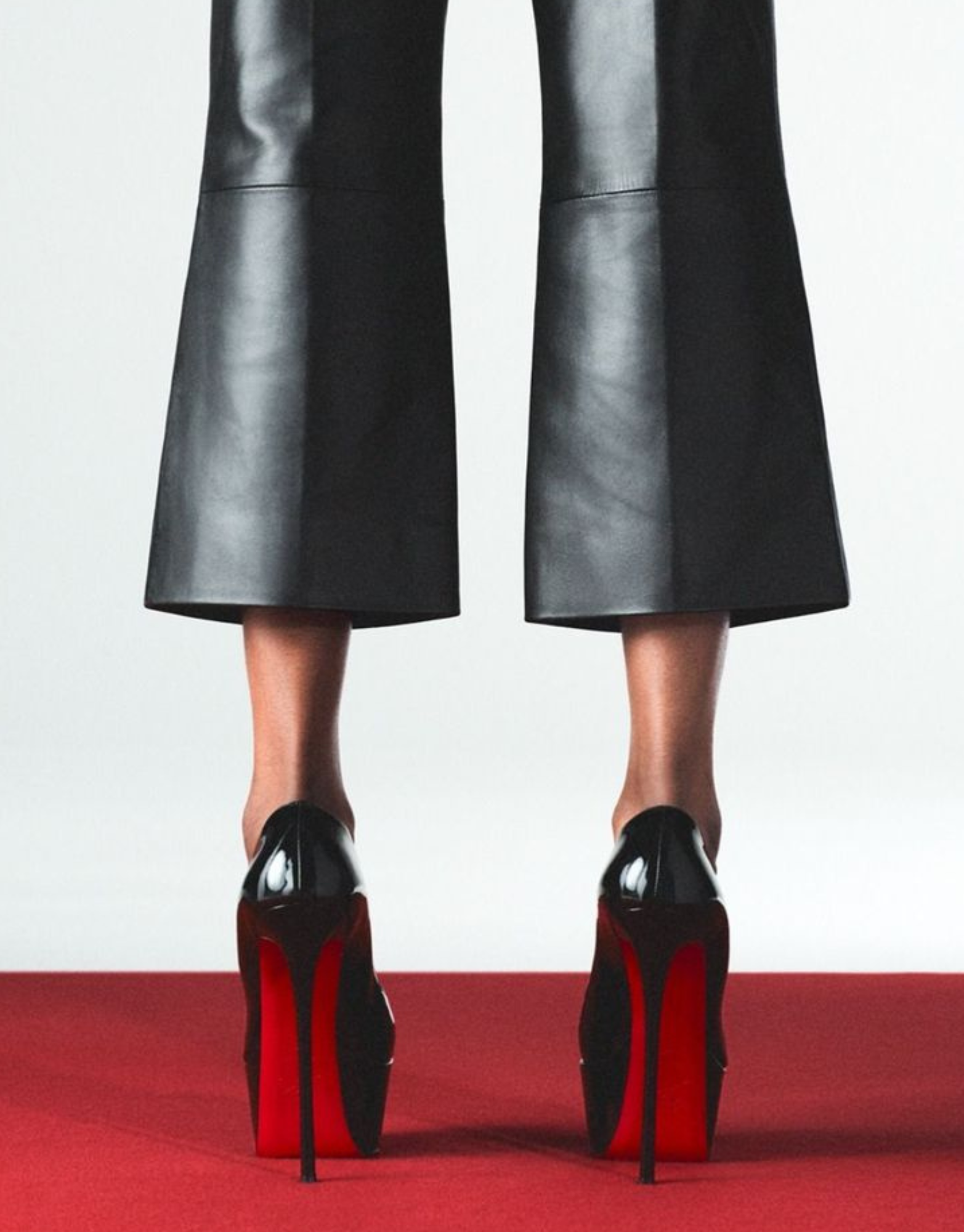
Take Christian Louboutin. His famous red-soled shoes have become shorthand for confidence, glamour, and power. They are instantly recognisable and endlessly desired. Yet they have also become symbols of a long-standing debate within fashion. Beautiful? Undeniably. Comfortable? Often not.
Many women can identify a similar relationship with fashion. We have all purchased something breathtaking only to discover that wearing it for more than an hour feels like participating in an endurance sport. Somewhere between admiring the design and limping home from an event, the question emerges: who exactly was this made for?
Historically, fashion has often prioritised aspiration over practicality. Beauty was the objective. Comfort was optional. But something interesting happens as women get older. The relationship with clothing begins to change.
In our twenties, many of us are willing to sacrifice comfort for appearance. Shoes pinch. Dresses restrict movement. Fabrics itch. Yet we endure because the aesthetic reward feels worth it.
By our thirties, forties, and beyond, a subtle rebellion begins. Women start asking different questions. Can I move in this? Can I sit in this? Can I breathe in this? Can I wear this all day and still feel like myself? This shift is not about lowering standards. It is about knowing oneself better.
The mature woman still loves beauty. She still appreciates craftsmanship, luxury, and elegance. What changes is her definition of luxury itself. Increasingly, luxury is not discomfort wrapped in exquisite packaging. Luxury is ease.
This is perhaps why many contemporary female designers have found devoted audiences. Designers such as Phoebe Philo built entire aesthetics around the idea that women should not have to choose between looking powerful and feeling comfortable. Their designs recognise something fundamental: women have lives to live, not merely appearances to maintain.
Yet it would be unfair to suggest that male designers cannot understand this reality. Some do. The best designers, regardless of gender, are observers. They listen. They study. They empathise. They understand that designing for women is not about projecting fantasies onto them but responding to the complexity of their lives.
The real question, therefore, is not whether men should design for women. Of course they should. The better question is whether designers are listening to women. Because fashion is at its most successful when it reflects women rather than instructs them. When it serves rather than dictates. When it understands that elegance and comfort are not rivals but partners.
After all, the ultimate luxury is not suffering beautifully. It is feeling entirely yourself.