By Chloe Beaufoy
There is a secret side to our wardrobes.
It is not curated. It is not ironed. It is not waiting for compliments. It lives at home, far away from public opinion and dress codes. And honestly, it might be where our truest style shows up.
What we wear when no one is watching is rarely about fashion. It is about feeling.
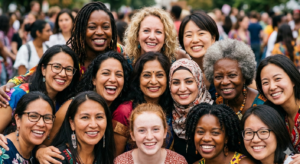
Across the world, women instinctively know this.
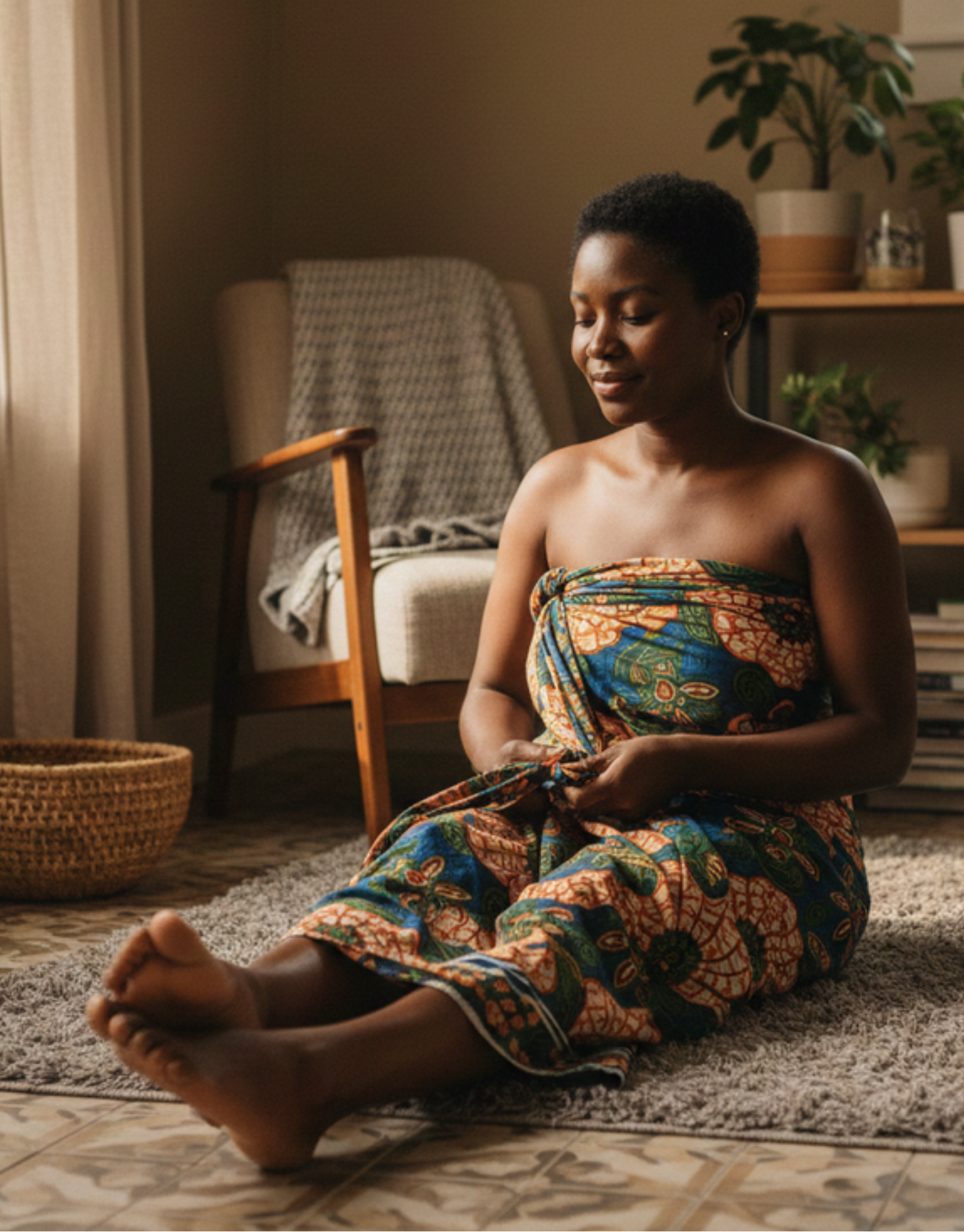
African women often reach for wrappers at home. Tied loosely, adjusted effortlessly, worn high one moment and low the next. Wrappers are not just fabric. They are comfort, flexibility, familiarity. They allow the body to breathe, move, sit, cook, rest, and exist without restriction.
In many Middle Eastern and Muslim communities, flowing garments like jalabiyas and abayas dominate private and public life. Loose, airy, unrestrictive. Clothes that prioritise modesty, yes, but also ease. These garments are designed to work with the body, not against it, especially in hot climates.
In parts of Asia, soft cotton house dresses, kaftan-style silhouettes, and relaxed two-piece sets are common. Easy to slip on. Easy to live in. Clothes that understand routine and repetition.
In Europe and North America, the uniform might look like oversized T shirts, worn-in sweatpants, soft hoodies, or leggings that have clearly earned their place. Clothes that blur the line between sleepwear, loungewear, and daily life.
Different continents. Different cultures. Same instinct.
Comfort first.
At home, fashion drops the performance. There is no one to impress, no mirror checks before stepping out, no silent negotiation with discomfort. You put something on and get on with your life. And in that simplicity, you learn a lot about yourself.
You learn that your body likes space. That stiffness is overrated. That softness changes your mood. That clothes can support you rather than control you.
These private clothes hold us through everything. Early mornings. Long afternoons. Emotional conversations. Random dancing in the kitchen. Quiet moments on the couch. They absorb our lives in ways public outfits never do.
Yet we are quick to apologise for them.
We laugh about looking “unserious.” We rush to change if someone shows up unexpectedly. We treat comfort like something we should hide, as though ease is something to earn.
But what if comfort is not the opposite of style?
What if it is simply style without pressure?
The clothes we wear when no one is watching show us how we treat ourselves when validation is removed. They reveal whether we allow softness or insist on struggle. Whether we believe we deserve ease even in private.
There is something deeply human about choosing clothes that let you exist without effort. Clothes that move when you move. Clothes that do not pinch, squeeze, or demand attention. Clothes that say, you are allowed to be comfortable here.
This is why loungewear, wrappers, kaftans, house dresses, and relaxed silhouettes never truly go out of style. They respond to real life. They honour the body. They understand that beauty does not have to be rigid to be real.
So, the next time you tie your wrapper, slip into your jalabiya, pull on your soft dress, or reach for that oversized T shirt, do not dismiss it. That outfit is doing important work.
It is holding you.
It is giving you room.
It is letting you breathe.
And honestly, that might be the most honest expression of style there is.