Spotlighting Remarkable Women and Girls

What Are You Craving, Really?

By A.C.E

Cravings get a bad reputation.

We treat them like a lack of discipline or a secret we should not admit out loud. We say things like “I’m trying to be good” or “I should not want this,” as though wanting food is a moral issue. But cravings are not random. They are messages. And sometimes, they are trying to tell us more than we think.

Take a moment to think about your last craving.

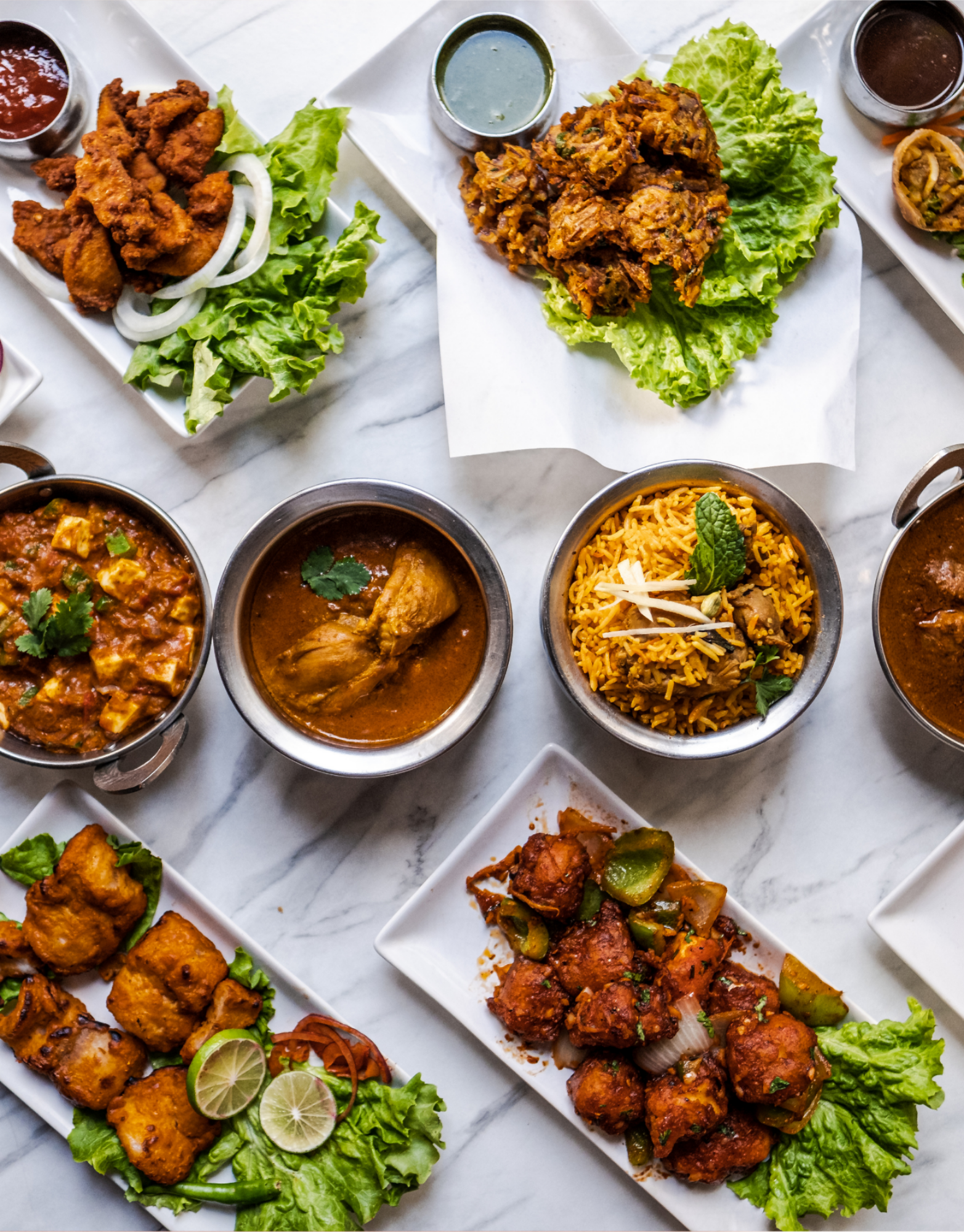
Was it sweet? Spicy? Salty? Something warm and heavy or cold and refreshing? The answer might say less about hunger and more about how you are feeling.

Sweet cravings often show up when we want comfort or familiarity. Chocolate, pastries, biscuits, or a childhood drink can feel like emotional shortcuts to safety. On stressful days, sweetness offers a sense of softness, something predictable in a world that feels loud or demanding.

Spicy cravings, on the other hand, often signal a desire for stimulation. Peppery stews, hot sauces, chilli oil, or fiery noodles wake the body up. They bring heat, excitement, and a little drama. Sometimes what we are craving is not the food itself, but energy.

Salty foods usually show up when we want grounding. Think fries, popcorn, roasted nuts, or a simple plate of rice and stew. Salt feels steady. It satisfies in a way that is uncomplicated. When life feels chaotic, salty foods can feel reassuring and anchoring.

Then there are the cravings for warmth.

Soups, porridges, teas, and hot drinks often appear when we are tired, emotionally drained, or in need of slowing down. Warm food has a way of asking us to pause. To sit. To breathe. To take care of ourselves without explanation.

Cold cravings tell a different story. Iced drinks, smoothies, ice cream, or chilled fruit often show up when we want relief. When the day is heavy, cold food feels like a reset button. Refreshing, light, and momentarily distracting.

Of course, sometimes a craving is just a craving. Not every desire needs deep analysis. But paying attention can be surprisingly useful. Cravings can act like small emotional check-ins, especially when we stop judging them.

What if instead of asking, “Is this allowed?” we asked, “What do I need right now?”

Maybe you are craving something crunchy because you need release. Maybe you want something soft because you are overwhelmed. Maybe you want something nostalgic because you are tired of holding everything together.

Food does not have to fix everything. But it can support us.

The problem is not cravings. The problem is how quickly we silence them with guilt or rules. We rush past the feeling, grab something random, and keep moving. Or we deny ourselves entirely, pretending the craving does not exist, only to think about it all day.

There is another option.

You can pause. You can listen. You can respond with curiosity instead of criticism.

This does not mean eating everything without care. It means eating with awareness. It means noticing patterns. It means allowing yourself pleasure without turning it into punishment.

Sometimes, honouring a craving in a small, intentional way can be more satisfying than ignoring it completely. A few bites of what you really want can feel better than a full plate of something you do not.

So the next time a craving shows up, do not rush to label it good or bad. Ask a gentler question.

What are you craving, really?

You might discover that it is not just food you are hungry for. It might be rest. Comfort. Excitement. Warmth. Or simply permission to enjoy something without explaining yourself.

And honestly, that kind of awareness is worth savouring.

Share:

Trending

Raising Women Magazine Issue 045 – June 2026

There is a difference between living and merely functioning.
Somewhere between the notifications, deadlines, responsibilities, ambitions, and endless demands of modern life, many of us have become exceptionally good at keeping going. We show up. We deliver. We carry. We cope. Yet beneath the appearance of productivity, an important question remains: are we truly well?
In this issue of Raising Women Magazine, we explore wellness not as a trend, but as a deeper conversation about humanity, health, purpose, and presence.
Our cover feature introduces Dr. Heidi Beilis, a pioneering physician helping to shape the future of healthcare through artificial intelligence. Her work reminds us that innovation is at its best when it serves people, particularly women whose lives may be transformed by earlier diagnoses and better outcomes.
Elsewhere, we explore grief, ambition, beauty, leadership, healthspan, rest, and the invisible burdens many women carry. We ask difficult questions about what it means to thrive, not simply survive.
As I wrote in this issue’s Find Her Light column, sometimes the rest we need is not sleep. Sometimes it is space. Sometimes it is perspective. Sometimes it is permission.
May these pages offer all three.

Raising Women Magazine Issue 044 – May 2026

There is something deeply revealing about the way a society treats its children. Not just in policy or parenting, but in the stories it tells them, the spaces it creates for them, and the kind of world it quietly prepares them to inherit. In this Children’s Day edition, Raising Women Magazine turns its attention to childhood itself, not as a sentimental phase of life, but as the foundation upon which identity, confidence, memory, and humanity are built.

Our cover star, Ms. Rachel, represents a refreshing reminder that gentleness still matters in an age of noise. Through patience, intentionality, and emotional safety, she has transformed songs and screen time into a global classroom for millions of children and families.

Across this issue, we explore the emotional architecture of childhood, from the girls who learn too early to shrink themselves, to the children quietly carrying adult burdens before they fully understand their own. We also interrogate modern parenting, digital culture, family, safety, and the futures young people are already shaping.

Because childhood is never just preparation for life.

In many ways, it is life itself.

The Family Tree Divide

What Women Are Given, and What They Build By Sipho Khumalo Two women walk into the same room. One is recognised before she speaks. The

Your guide to IVF and egg freezing in Korea

Empowering your family planning journey with curated fertility treatments at lower costs. Get our guide for Korea’s leading clinics, pricing and service breakdown.

Recommended News

Raising Women Magazine Issue 045 – June 2026

There is a difference between living and merely functioning.
Somewhere between the notifications, deadlines, responsibilities, ambitions, and endless demands of modern life, many of us have become exceptionally good at keeping going. We show up. We deliver. We carry. We cope. Yet beneath the appearance of productivity, an important question remains: are we truly well?
In this issue of Raising Women Magazine, we explore wellness not as a trend, but as a deeper conversation about humanity, health, purpose, and presence.
Our cover feature introduces Dr. Heidi Beilis, a pioneering physician helping to shape the future of healthcare through artificial intelligence. Her work reminds us that innovation is at its best when it serves people, particularly women whose lives may be transformed by earlier diagnoses and better outcomes.
Elsewhere, we explore grief, ambition, beauty, leadership, healthspan, rest, and the invisible burdens many women carry. We ask difficult questions about what it means to thrive, not simply survive.
As I wrote in this issue’s Find Her Light column, sometimes the rest we need is not sleep. Sometimes it is space. Sometimes it is perspective. Sometimes it is permission.
May these pages offer all three.

Raising Women Magazine Issue 044 – May 2026

There is something deeply revealing about the way a society treats its children. Not just in policy or parenting, but in the stories it tells them, the spaces it creates for them, and the kind of world it quietly prepares them to inherit. In this Children’s Day edition, Raising Women Magazine turns its attention to childhood itself, not as a sentimental phase of life, but as the foundation upon which identity, confidence, memory, and humanity are built.

Our cover star, Ms. Rachel, represents a refreshing reminder that gentleness still matters in an age of noise. Through patience, intentionality, and emotional safety, she has transformed songs and screen time into a global classroom for millions of children and families.

Across this issue, we explore the emotional architecture of childhood, from the girls who learn too early to shrink themselves, to the children quietly carrying adult burdens before they fully understand their own. We also interrogate modern parenting, digital culture, family, safety, and the futures young people are already shaping.

Because childhood is never just preparation for life.

In many ways, it is life itself.

The Family Tree Divide

What Women Are Given, and What They Build By Sipho Khumalo Two women walk into the same room. One is

First, Believe

By The Lulu They said the sky’s the limit But what if you’re still underground, still digging through the dirt