By Ifeanyi’s Daughter
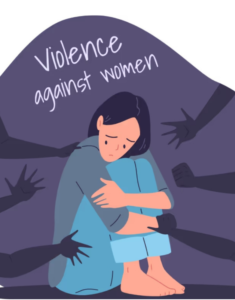
Violence against women rarely prompts immediate action. Too often, it is absorbed into statistics, court filings, or quiet family grief. That is why India’s decision to open a One Stop Centre for Women in Toronto, just days after the murder of a young Indian woman in Canada, feels significant not only as a response, but as a signal.
At first glance, the development looks like a diplomatic move: a consular service offering a 24-hour helpline, counselling, legal guidance, and referrals for Indian women in distress abroad. But beneath the headlines, this moment reflects something deeper, a shift in how governments are beginning to understand responsibility, migration, and the global nature of gender-based violence.
This is not just about one case. It is about what happens when private violence becomes public pressure.
A Tragedy That Crossed Borders
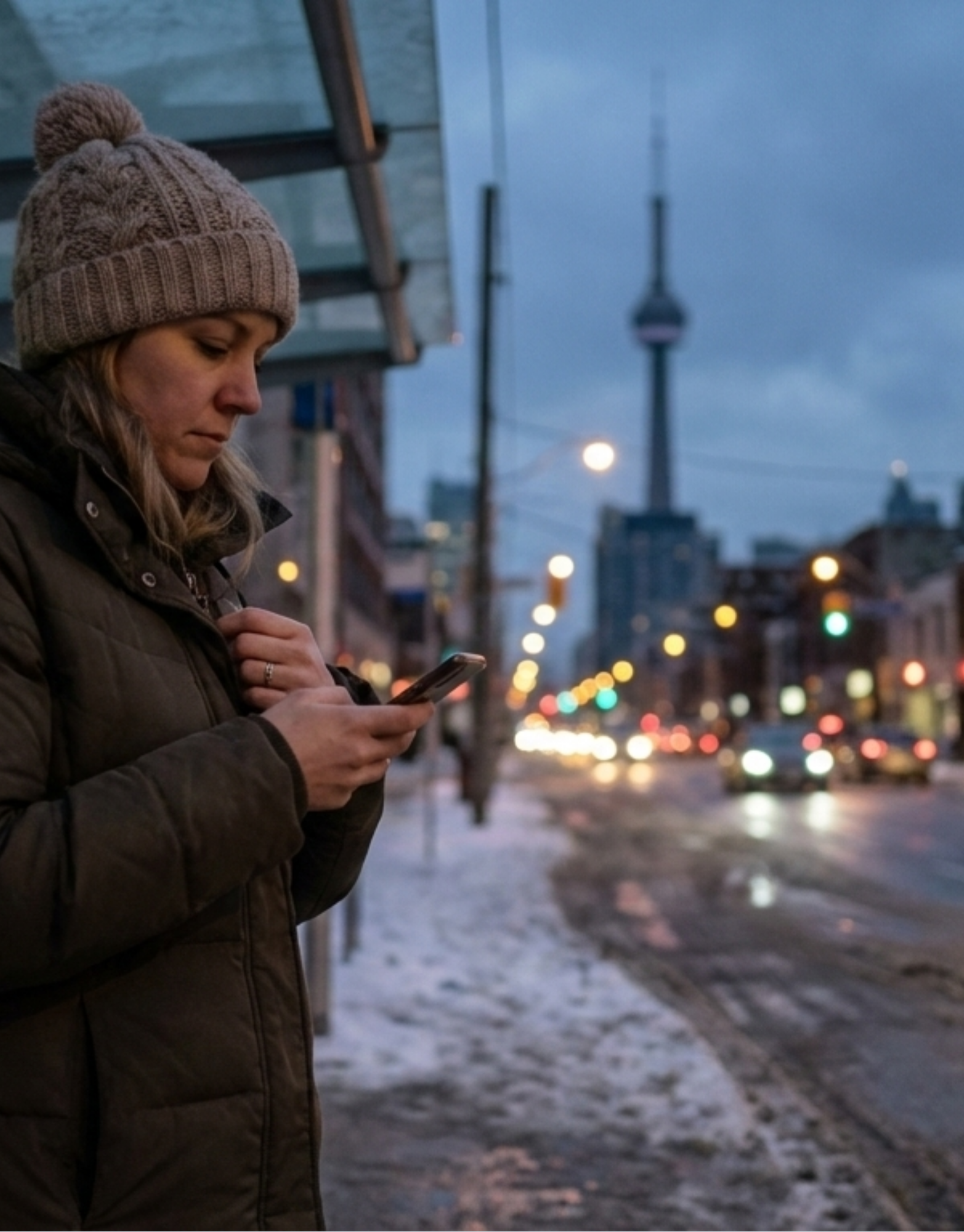
The centre was launched in the aftermath of the killing of a 30-year-old Indian woman in Toronto, allegedly by her intimate partner.
As details of the case surfaced, they echoed a painfully familiar pattern: domestic violence, isolation, and a woman navigating danger far from home.
For migrant women, this vulnerability is often heightened. Distance from family, unfamiliar legal systems, immigration status tied to partners, cultural stigma, and fear of authorities can keep women trapped in abusive situations far longer than they should ever have to endure.
What made this tragedy different was not only its brutality, but the speed with which it provoked a formal response. Within days, the Indian Consulate in Toronto announced a dedicated support centre for women, complete with a round-the-clock helpline and access to counselling, legal aid, and community services.
The underlying message was unmistakable: your safety does not end at the border.
Why This Moment Matters
For decades, violence against women, especially within intimate relationships has been framed as a private issue. Governments intervene late, if at all. Migrant women, in particular, often exist in a grey area, belonging fully to no system.
This initiative disrupts that pattern in several important ways.
First, it acknowledges that diaspora women remain the responsibility of their home countries, even when they live abroad. This is a notable shift in diplomatic thinking, recognising that migration can amplify vulnerability rather than erase it.
Second, it reflects the growing power of public accountability. In the age of instant news and social media, stories of violence travel fast and so does pressure. Governments are increasingly aware that silence is no longer invisible, and inaction now carries reputational cost.
Third, it places gender-based violence squarely within policy and foreign-service conversations, not as an afterthought but as a core concern. That alone signals a broader cultural change.
A Growing Global Pattern
India is not alone in this approach. Across the world, governments are quietly expanding gender-focused consular services: emergency hotlines, legal aid partnerships, women’s desks within embassies, and crisis response units for citizens abroad.
What we are witnessing is a wider trend, the recognition that women’s safety is a transnational issue.
Migration has reshaped families, relationships, and risks. Abuse does not disappear because a woman relocates; in many cases, it intensifies. Institutions are being forced to adapt to a world where violence travels with people, crossing borders as easily as passports do.
The Toronto centre may be one physical location, but its implications ripple far beyond Canada.
The Limits of a Helpline
Still, difficult questions remain.
Will women trust the system enough to use it?
Will cultural stigma and fear of exposure keep many silent?
And perhaps most importantly, will this initiative be sustained long after public attention fades?
A helpline is a beginning, not a solution. Real protection requires long-term funding, community outreach, confidentiality, and collaboration with local organisations that understand the realities women face on the ground.
It also requires listening to women not only when tragedy strikes, but long before it does.
A Trend Rooted in Urgency
This development sits at the intersection of feminism, migration, policy, and accountability. It reflects a growing global truth: violence against women can no longer be contained within private walls or national borders.
For migrant women everywhere, the opening of this centre sends a quiet but powerful signal that their lives matter enough to demand systems of care, even far from home.
And for governments watching closely, it sets a precedent.
In a world where women are still asked to endure too much in silence, moments like this remind us that response itself can become a trend and one that, if taken seriously, just might save lives.