Inside every seed is a story that took thousands of years to write. Here is why your home garden might be one of the most important places left to keep it alive.
By Emmanuella Abraham
Somewhere in a vault buried deep in the Arctic permafrost of Norway, there are seeds. Over 1.3 million of them, collected from almost every country in the world, stored at minus 18 degrees Celsius, sealed against flood and fire and the particular kind of human carelessness that tends to arrive without warning. The Svalbard Global Seed Vault is often described as the world’s insurance policy for plant life, the last line of defence against the permanent loss of a crop variety, a food source, a piece of biological history that took millennia to develop.
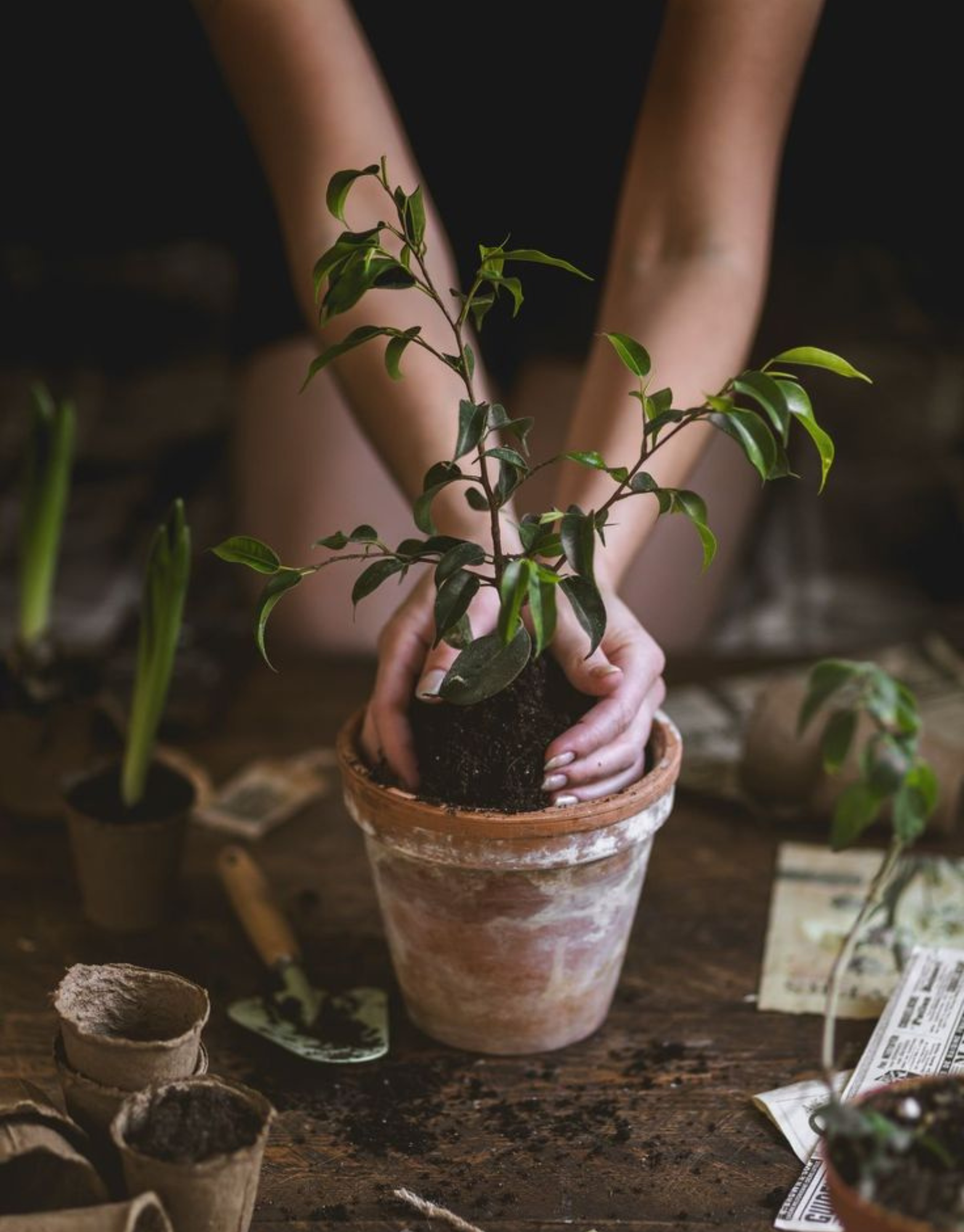
It is an extraordinary place. It is also, quietly, a reminder that the work of preservation does not only happen at that scale. It happens in backyards. On balconies. In terracotta pots on kitchen windowsills. It happens wherever someone decides, deliberately, to grow a plant from a seed they saved themselves rather than bought from a packet. The Svalbard vault is the headline. The home garden is the headline’s foundation, and it always has been.
What Seed Saving Actually Means
Seed saving is exactly what it sounds like: collecting seeds from plants you have grown, drying and storing them properly, and using them to grow the next season’s crop. It is one of the oldest agricultural practices in human history. For most of that history, it was simply called farming. The idea that you would buy new seeds every year, from a company, in a sealed packet, is a remarkably recent invention, one that only became standard practice in the twentieth century as commercial agriculture scaled up and seed production became industrialised.
What was lost in that shift was significant. When farmers stopped saving seeds and started buying them, many of the older, locally adapted varieties, the ones that had been selected over generations for flavour, resilience, and compatibility with specific soils and climates, simply stopped being grown. A variety that is not grown does not survive. According to the Food and Agriculture Organisation of the United Nations, around 75 percent of plant genetic diversity was lost during the twentieth century. Three quarters of the edible variety that existed a hundred years ago is gone.
That number is worth sitting with. Not to induce guilt, but to sharpen the sense of what is still possible. Because what is still here can still be saved, and the home garden is one of the most practical places to do it.
Why Your Home Garden Matters More Than You Think
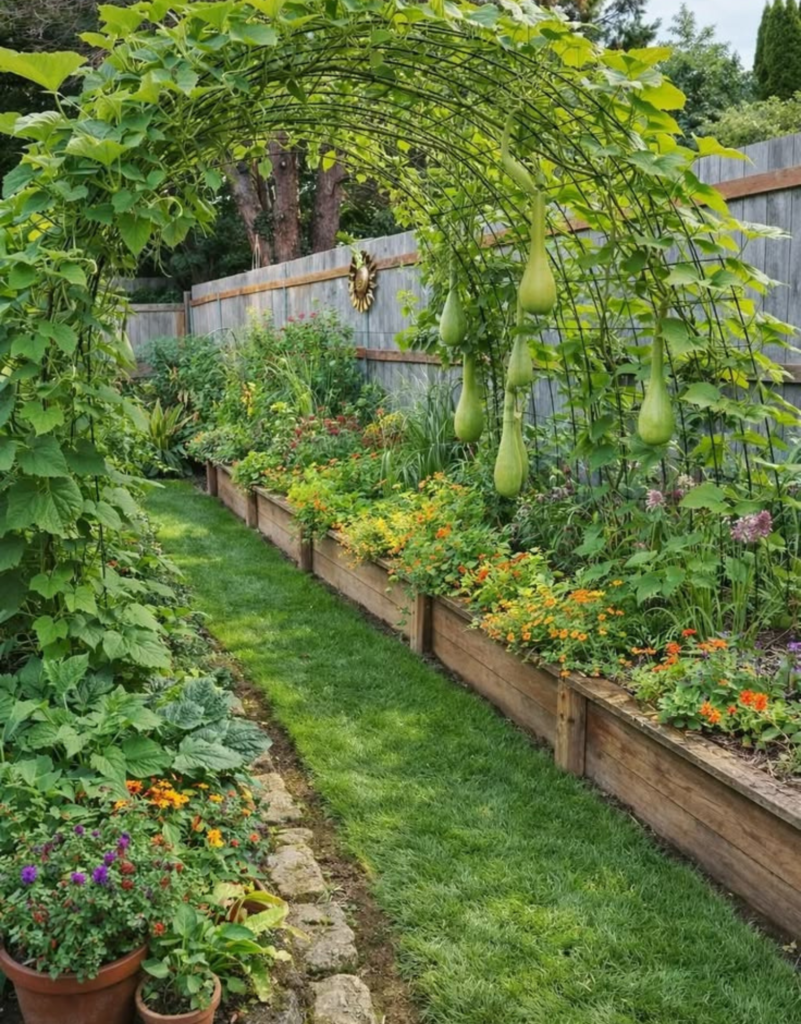
Home gardens are not small versions of farms. They operate by a different logic entirely. A commercial farm grows one or two varieties of a crop, selected for yield and shelf life and the ability to survive a supply chain. A home garden can grow twenty varieties of tomato, six kinds of pepper, heirloom beans that have been passed down through a family for four generations.
It is, in the most literal sense, a place of biodiversity. And biodiversity, as ecologists will tell you, is not a luxury. It is the mechanism by which living systems stay resilient.
When you grow a variety from saved seed and let some of your plants go to seed at the end of the season, you are doing something quietly remarkable. You are giving that plant another generation. You are keeping its genetic material in circulation. You are also, over time, allowing it to adapt to your specific conditions: your soil, your rainfall, your microclimate. A seed saved and replanted over five, ten, twenty seasons becomes a seed that knows your garden. That local knowledge, encoded in the genetics of the plant, is irreplaceable. No seed bank, however well-funded, can replicate it.
What It Does for Your Home
The case for seed saving is not only ecological. It is also, rather pleasingly, a very good argument for your household budget and your kitchen. Commercially produced seeds are not cheap, and the cost adds up quickly if you are growing any serious quantity of food.
Saving your own seeds eliminates that cost almost entirely after the first season. A single well-tended tomato plant can produce enough seeds for hundreds of future plants. Dried and stored correctly, most vegetable seeds remain viable for three to five years, some significantly longer.
Then there is the flavour question, which anyone who has grown their own food and then eaten it will not need convincing about. Heirloom and open-pollinated varieties, the ones best suited to seed saving, were selected over centuries for taste rather than transportability. The tomatoes are more acidic, more complex, more deeply themselves. The herbs are more pungent. The cucumbers are not watery and engineered for a long shelf life; they are just cucumbers, properly flavoured, the way cucumbers used to taste before they became a commodity.
Growing from saved seed also deepens your relationship with your garden in a way that is hard to articulate but easy to feel. When the plant in front of you came from a seed you collected from a plant you grew last year, the garden stops being a project and starts being a practice. There is a continuity to it, a sense of participation in something longer than a single season, that changes how you pay attention.
How to Start: A Practical Guide
The good news is that starting is genuinely simple. You do not need a large garden, specialist equipment, or any prior experience. You need a few plants, some patience at the end of the growing season, and somewhere cool and dry to store what you collect.
Begin with the easiest plants to save from. Tomatoes, peppers, beans, and peas are ideal starting points because they are self-pollinating, meaning the seeds they produce will reliably grow true to the parent plant. Avoid starting with plants in the brassica family, like cabbage, kale, or broccoli, or with courgettes and pumpkins; these cross-pollinate easily and require more careful management to produce consistent results.
For tomatoes, the process involves a brief fermentation step that sounds more complicated than it is. Scoop the seeds and surrounding gel into a small jar of water and leave it for two to three days. The viable seeds will sink to the bottom. Rinse them, spread them on a piece of paper or a ceramic plate to dry fully, and store them in a labelled paper envelope in a cool, dark place. A glass jar in the fridge works well. So does a dedicated tin kept in a shaded corner of a pantry.
For beans and peas, the method is even simpler. Leave a few pods on the plant past the point you would normally harvest them. Let them dry completely on the plant until they rattle when you shake them. Shell them, let them air-dry indoors for another two weeks, and store them in the same way. That is genuinely all there is to it.
One important thing to look for when selecting which plants to save from: always choose your best performers. The healthiest plant, the one that fruited most abundantly, survived the dry spell best, showed no signs of disease. You are not just saving seeds; you are making a selection. Over time, those selections accumulate into something genuinely adapted to your conditions and your hands.
The Bigger Picture in a Small Envelope
There is a movement, growing quietly in community gardens and allotments and back gardens around the world, of people who swap seeds the way a previous generation swapped recipes. Seed libraries, where you borrow a packet of seeds at the start of the season and return two packets at the end, are operating in public libraries, community centres, and online networks across multiple continents. The logic is generous and practical in equal measure: if everyone saves a little, everyone has more.
This is where the home garden connects to something larger than itself. When you save seeds, you become part of a chain of custody that stretches back further than recorded history and, if enough people do it, forward further than we can see. You are not just growing food. You are holding something in trust.
The Svalbard vault is extraordinary. But it cannot cook. It cannot notice that the pepper variety it is storing tastes best when grown in sandy soil with afternoon shade. It cannot pass that knowledge to a neighbour over a garden fence. It cannot teach a child what it feels like to push a seed into the earth and come back two weeks later to find it has become something green and reaching and alive.
Only a garden can do that. Only you can do that. And it starts, as most meaningful things do, with something very small held carefully in the palm of your hand.
A seed saved and replanted over seasons becomes a seed that knows your garden. That local knowledge, encoded in the genetics of the plant, is irreplaceable.