By Daniel Agusi
There is a quiet pattern in nature that most of us have noticed, even if we never stopped to question it. A tiny creature on the floor, legs curled inward. A fish drifting slightly off balance. A bird that simply seems to disappear.
It can feel random. Almost eerie. But it is not.
The way animals die often reveals how they lived all along.
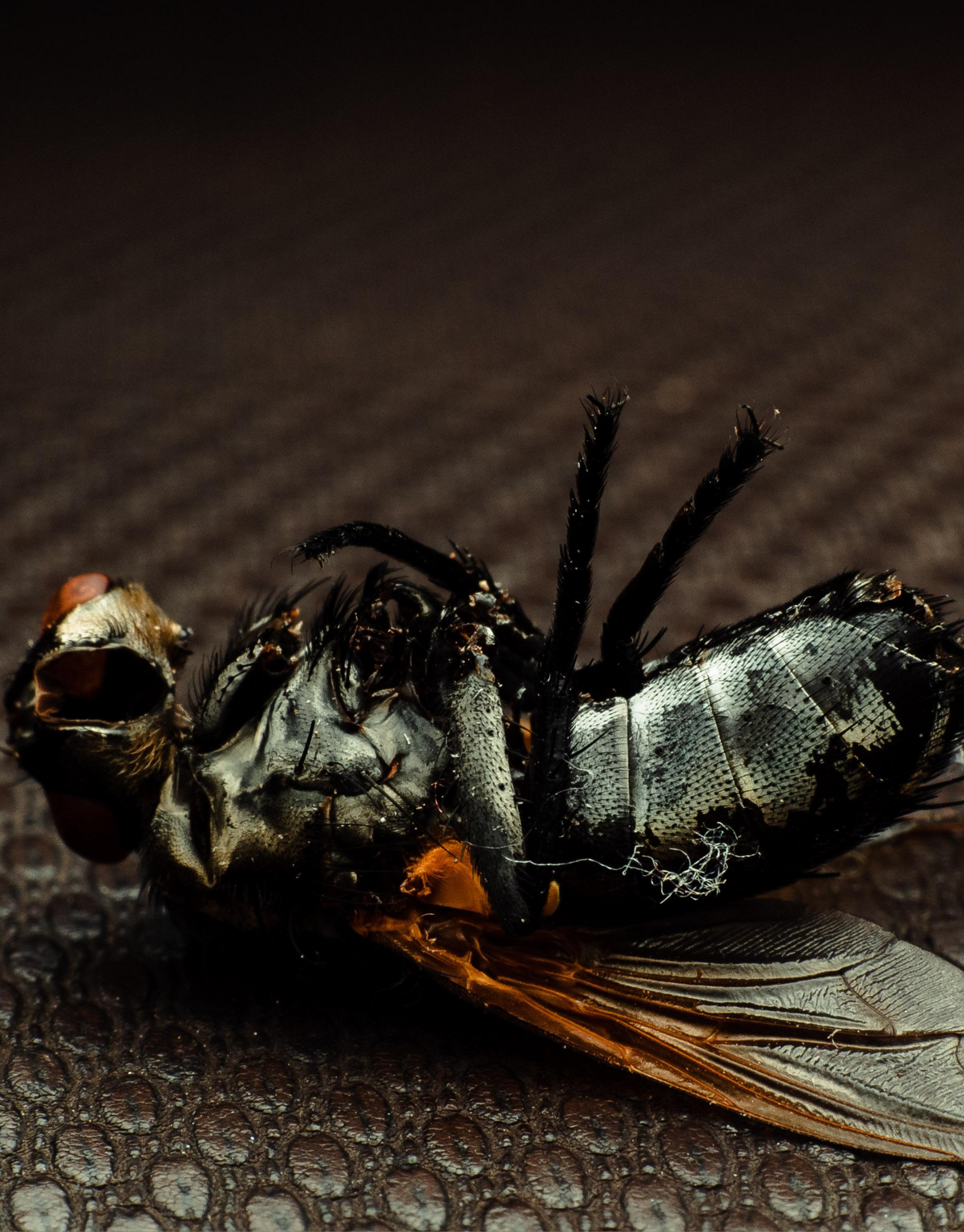
Take insects, for example. You may have seen a cockroach or a fly lying on its back, legs folded tightly toward its body. It looks almost deliberate, as if the body has chosen that position. In reality, it is the opposite. While alive, many insects rely on internal pressure to stretch their legs outward. It is a bit like a built-in system that keeps them upright and moving. Once that pressure is gone, the legs pull inward. The body loses its balance. Gravity does the rest.
So what looks like a strange ending is actually a quiet reveal. The body is showing you how it worked the entire time.
Spiders take this even further. If you have ever seen one after it dies, you will notice how tightly it curls into itself. Their legs are almost entirely controlled by that same internal pressure. When it disappears, they contract fully, folding into a small, compact shape. It is dramatic, but it is also honest. The structure that once kept them moving is no longer there.
Fish, on the other hand, tell a completely different story. They do not rely on legs or pressure in the same way. Instead, they use something called a swim bladder to stay balanced in water. It helps them maintain position without effort. When that system is disturbed, whether by illness or stress, their movement becomes uneven. You might see them tilt, drift, or float in unusual ways. It is not clumsiness. It is the body losing its sense of balance.
Then there are ants. If you have ever looked closely, you might notice something curious. Some ants seem to stop exactly where they are, as if frozen mid-task. One moment they are carrying something or moving along a surface. The next, they are still. It creates a strange pause in time, like a moment held in place. In certain cases, they even remain attached to what they were holding. It is a quiet reminder of how driven their movement is while alive.
Birds offer a softer version of this pattern. People often say they rarely see dead birds, and that observation is not far from the truth. When birds sense weakness, they tend to retreat. They move away from open spaces and into places where they are less visible. Bushes, corners, rooftops. It is an instinct that protects them from predators, even in their most vulnerable moments. So while other creatures fall where they stand, birds often choose to disappear.
Across all of this, there is something unexpectedly beautiful. Each creature carries a system that holds it together. Pressure, balance, instinct, motion. And when that system begins to fail, the body does not hide it. It reveals it.
What we see in those final positions is not randomness. It is design, gently coming undone.
It is easy to overlook these moments because they feel small. But they are part of a much bigger story. One that reminds us that even in stillness, there is something to learn.
Sometimes, all it takes is paying a little more attention to what has always been right in front of us.